
Title
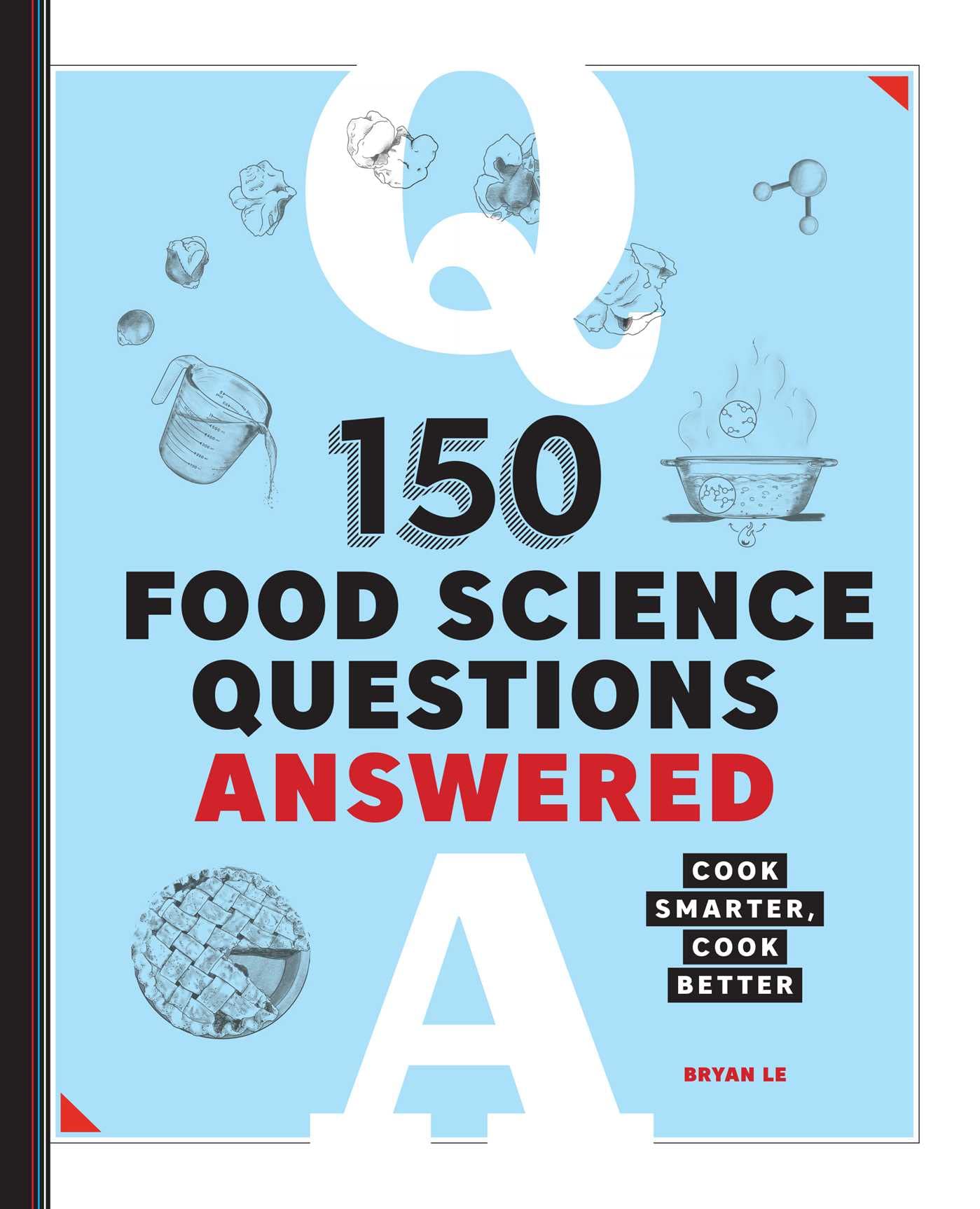
150 Food Science Questions Answered: Cook Smarter, Cook Better
Sold by Ergodebooks, an authorized reseller.
Returns accepted within 30 days | support@ergodebooks.com
Shipping Information
- Free Standard Shipping — United States only
- Processing Time: 3–5 business days
- Estimated Delivery: 6–10 business days after dispatch
- Double-boxed, fully insured & discreetly packaged
- Tracking number sent via email once dispatched
Returns & Refund
Returns accepted within 30 days of delivery.
Damaged or Defective Item
Free return shipping + replacement or full refund
Wrong Item Received
Free return shipping + replacement or full refund
Change of Mind
Return shipping at customer's expense · 25% restocking fee applies
Payment Option

Cooking Isn'T Just An Art, It'S A Science150 Fascinating Food Facts To Make You A Better Cookdoes Cold Water Come To A Boil Faster Than Warm Water? Why Does Fat Taste So Good? What Makes Popcorn Pop? Most Of The Processes That Occur During Cooking Are Based On Principles Found In Biology, Chemistry, And Physics. 150 Food Science Questions Answered Is An Intriguing Look Into The Science Of Food, From The Eyes Of A Food Science Ph.D. Candidate And Recipient Of The James Beard Legacy Scholarship.Learn Food Sciencehow Controlling Heat, Moisture, Acidity, And Salt Content Can Magically Transform The Way Flavors Are Developed And Perceived. Understand The Food Science Behind The Few Hundred Milliseconds That Creates Our Sense Of Taste. With Increased Knowledge Will Come Increased Mastery, No Matter What You'Re Cooking.Inside 150 Food Science Questions Answered You'Ll Find:Can You Control Garlic'S Intensity By The Way You Cut It?Garlic'S Signature Burn Is Released When Its Cell Walls Are Cut Into. Whole Garlic Will Impart Mild Flavor; Garlic Crushed Into A Paste Will Deliver The Strongest Punch. Does Alcohol Burn Off When Cooked?Quick Processes Like Flamb Eliminate Only About 25% Of Alcohol, While Longsimmering Can Remove Almost All Of It. Does Searing A Steak Seal In The Juices?No, But It Does Develop Delicious Flavors Through A Process Called The Maillard Reaction.Learn Food Science And You'Ll Be On Your Way To Truly Understanding The Chemistry Of Cooking.
⚠️ WARNING (California Proposition 65):
This product may contain chemicals known to the State of California to cause cancer, birth defects, or other reproductive harm.
For more information, please visit www.P65Warnings.ca.gov.
- Q: What is the page count of the book? A: The book contains one hundred ninety-eight pages. This length provides ample information while remaining accessible for readers.
- Q: What is the binding type of this book? A: This book is published in paperback format. Paperback bindings are lightweight and flexible, making them easy to handle.
- Q: What are the dimensions of the book? A: The book measures seven point five two inches in length, zero point four eight inches in width, and nine point two five inches in height. These dimensions make it a convenient size for reading.
- Q: Who is the author of this book? A: The author is Bryan Le, a food science Ph.D. candidate. His expertise adds credibility to the content and insights shared in the book.
- Q: What cooking methods are discussed in the book? A: The book explores various cooking methods through the lens of food science. It explains how scientific principles affect culinary techniques and outcomes.
- Q: Is this book suitable for beginners? A: Yes, this book is suitable for beginners and experienced cooks alike. It breaks down complex food science concepts into easy-to-understand facts.
- Q: How can I apply the knowledge from this book in cooking? A: You can apply the knowledge by experimenting with heat, moisture, and acidity in your recipes. Understanding these principles can enhance your cooking skills.
- Q: Can I use this book for meal planning? A: Yes, this book can assist in meal planning by providing insights on how ingredients interact. This knowledge can help optimize your cooking process.
- Q: Is this book appropriate for children? A: While the book contains scientific concepts, it is not specifically designed for children. Parents may need to guide younger readers through the material.
- Q: How do I keep this book in good condition? A: To keep the book in good condition, store it in a cool, dry place and avoid exposure to moisture. Handle it carefully to prevent wear and tear.
- Q: What should I do if the book arrives damaged? A: If the book arrives damaged, contact the retailer for a return or exchange. Most retailers offer guarantees for damaged items.
- Q: Can I gift this book to a friend? A: Yes, this book makes a great gift for anyone interested in cooking or food science. It's informative and engaging for food enthusiasts.
- Q: Are there any safety concerns with the content? A: No specific safety concerns are associated with this book. It focuses on food science and cooking principles without hazardous materials.
- Q: Does the book include illustrations or images? A: The book primarily focuses on text and explanations rather than illustrations. It relies on clear writing to convey scientific concepts.
- Q: How can I contact the publisher for more information? A: You can contact Callisto, the publisher, through their official website for any inquiries regarding the book or other titles.