If you have any questions, you are always welcome to contact us. We'll get back to you as soon as possible, withing 24 hours on weekdays.
Customer service
All questions about your order, return and delivery must be sent to our customer service team by e-mail at yourstore@yourdomain.com
Sale & Press
If you are interested in selling our products, need more information about our brand or wish to make a collaboration, please contact us at press@yourdomain.com
Help
If you have any questions, you are always welcome to contact us. We'll get back to you as soon as possible, withing 24 hours on weekdays.
Customer service
All questions about your order, return and delivery must be sent to our customer service team by e-mail at yourstore@yourdomain.com
Sale & Press
If you are interested in selling our products, need more information about our brand or wish to make a collaboration, please contact us at press@yourdomain.com
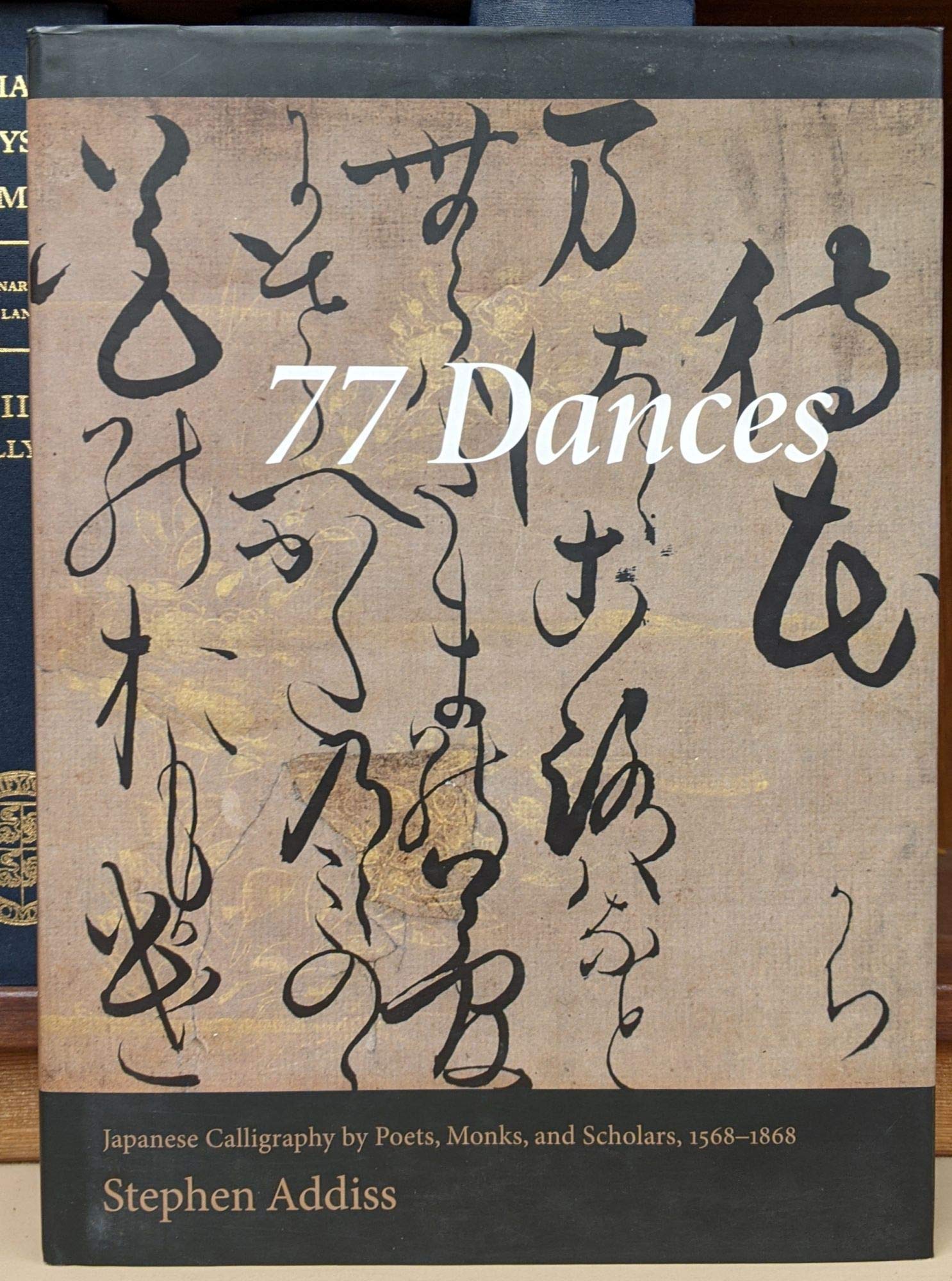
The first book on Japanese calligraphy from the significant Momoyama and Edo periods (15681868), 77 Dances examines the art of writing at a time when it was undergoing a remarkable flowering, as illustrated by over one hundred sumptuous illustrations. Everything from complex Zen conundrums to gossamer haiku poems were written with verve, energy, and creativity that display how deeply the fascination for calligraphy had penetrated into the social fabric of Japan. Examining the varied groups of calligraphers creating works for diverse audiences will show how these artistic worlds both maintained their own independence and interacted to create a rich brocade of calligraphic techniques and styles.The book begins with basic information on calligraphy, followed by six main sections, each representing a major facet of the art, with an introductory essay followed by detailed analyses of the seventyseven featured works. The essays include: The revival of Japanese courtly aesthetics in writing out waka poems on highly decorated paper The use of Chinese writing styles and script forms Scholars who took up the brush to compose poems in Chinese expressing their Confucian ideals Calligraphy by major literati poets and painters The development of haiku as practiced by master poetpainters The work of famous Zen masters such as Hakuin and Ryokan
⚠️ WARNING (California Proposition 65):
This product may contain chemicals known to the State of California to cause cancer,
birth defects, or other reproductive harm.
For MAP (Minimum Advertised Price) violations and Intellectual Property (IP) or Trademark concerns, please contact:
support@ergodebooks.com
⚠️ California Proposition 65 Warning: Some products sold on this website may expose you to chemicals known to the State of California to cause cancer, birth defects, or other reproductive harm. For more information, visit www.P65Warnings.ca.gov.