
Title
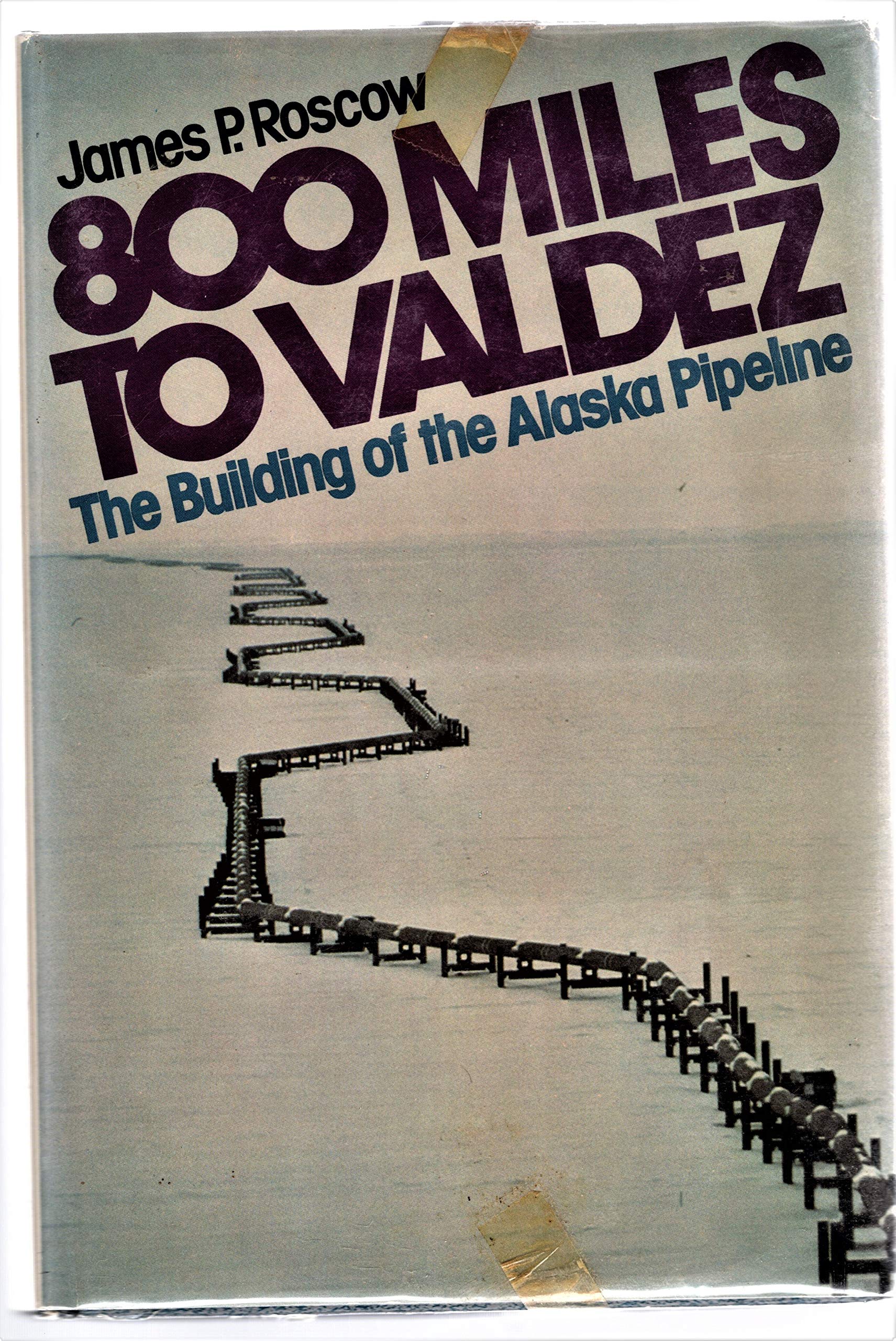
800 miles to Valdez: The building of the Alaska pipeline,Used
Sold by Ergodebooks, an authorized reseller.
Returns accepted within 30 days | support@ergodebooks.com
Shipping Information
- Free Standard Shipping — United States only
- Processing Time: 3–5 business days
- Estimated Delivery: 6–10 business days after dispatch
- Double-boxed, fully insured & discreetly packaged
- Tracking number sent via email once dispatched
Returns & Refund
Returns accepted within 30 days of delivery.
Damaged or Defective Item
Free return shipping + replacement or full refund
Wrong Item Received
Free return shipping + replacement or full refund
Change of Mind
Return shipping at customer's expense · 25% restocking fee applies
Payment Option

As the State of Alaska explores its options for building a natural gas pipeline from the North Slope to outlets in either Southcentral Alaska or Canada, a look back at the project that started it all is worthwhile. James P. Roscow's 1977 '800 Miles to Valdez' is a chronicle of the building of the oil pipeline that has moved North Slope crude oil across Alaska to market for over thirty years. When exploration wells confirmed a vast resevoir of oil under Alaska's North Slope in 1968, the world's giant petroleum corporations scrambled for a piece of the action. Getting the oil out of the ground was one thing; getting it from the remote North Slope to market was another. An 800mile pipeline across the width of Alaska was determined to be the most feasible method. It turned into one of the largest commercial engineering projects of the modern area. Initial efforts to begin work on the pipeline in 1969 were grounded by a series of legal challenges over environmental impact and land use. The oil corporations would eventually file some 15 miles of paperwork to get persmission to build, while the debate over land use would trigger resolution of longstanding disputes over the ownership of Alaska between native Alaskans, the State of Alaska, and various federal entities. The pipeline itself ended up being a engineering marvel of its times, crossing Arctic and SubArctic terrain and requiring a series of innovations to install and operate a mechanical system under temperatures ranging from 100 degrees above zero to 100 degrees below zero. Construction had to be bootstrapped through a series of work camps in an area thinly populated by people and almost devoid of services. The pipeline finally went into operation in 1977.
⚠️ WARNING (California Proposition 65):
This product may contain chemicals known to the State of California to cause cancer, birth defects, or other reproductive harm.
For more information, please visit www.P65Warnings.ca.gov.