
Title
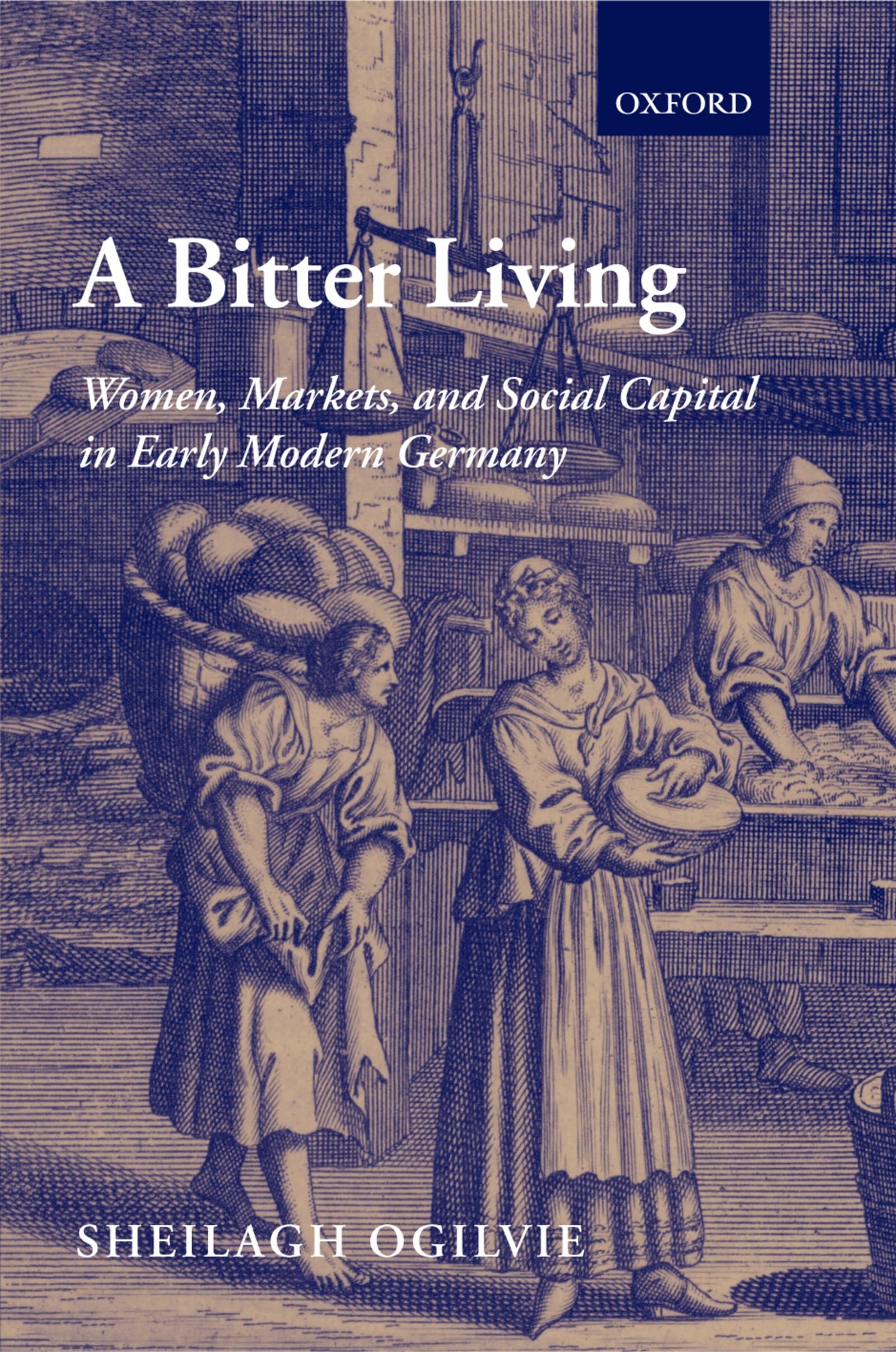
A Bitter Living: Women, Markets, and Social Capital in Early Modern Germany,Used
Sold by Ergodebooks, an authorized reseller.
Returns accepted within 30 days | support@ergodebooks.com
Shipping Information
- Free Standard Shipping — United States only
- Processing Time: 3–5 business days
- Estimated Delivery: 6–10 business days after dispatch
- Double-boxed, fully insured & discreetly packaged
- Tracking number sent via email once dispatched
Returns & Refund
Returns accepted within 30 days of delivery.
Damaged or Defective Item
Free return shipping + replacement or full refund
Wrong Item Received
Free return shipping + replacement or full refund
Change of Mind
Return shipping at customer's expense · 25% restocking fee applies
Payment Option

What role did women play in the preindustrial European economy? Was it brought about by biology, culture, social institutions, or individual choices? And what were its consequences for women, for men, for society at large? Women were key to the changes in the European economy between 1600 and 1800 that paved the way for industrialization. But we still know little about this female 'shadow economy' and nothing quantitative or systematic.This book tackles these questions in a new way. It uses a unique microlevel database and rich qualitative sources to illuminate women's contribution to a particular preindustrial economy: the German state of Wrttemberg, which was in many ways typical of early modern Europe. Markets expanded here between 1600 and 1800, opening opportunities outside the household for both women and men. But they were circumscribed by strong 'social networks' local communities and rural guilds with state support. Modern political scientists have praised social networks for generating 'social capital' shared norms and collective sanctions which benefit network insiders, and sometimes the whole society. But this book reveals the dark side of 'social capital': insiders excluded and harmed outsiders, especially women, to the detriment of the economy at large.Early modern European economies differed widely in their restrictions on the role of women. But the monocausal approaches (technological, cultural, institutional) that dominate the existing literature cannot explain these differences. This book proposes an alternative approach driven by the decision individual women themselves made as they negotiated a wide array of constraints and pressures (including technological, cultural, and institutional ones). We are not only brought closer to the 'bitter living' preindustrial women scraped together , but find out how it came to be so bitter, and how restrictions on women inflicted a bitter living on everyone.
⚠️ WARNING (California Proposition 65):
This product may contain chemicals known to the State of California to cause cancer, birth defects, or other reproductive harm.
For more information, please visit www.P65Warnings.ca.gov.