
Title
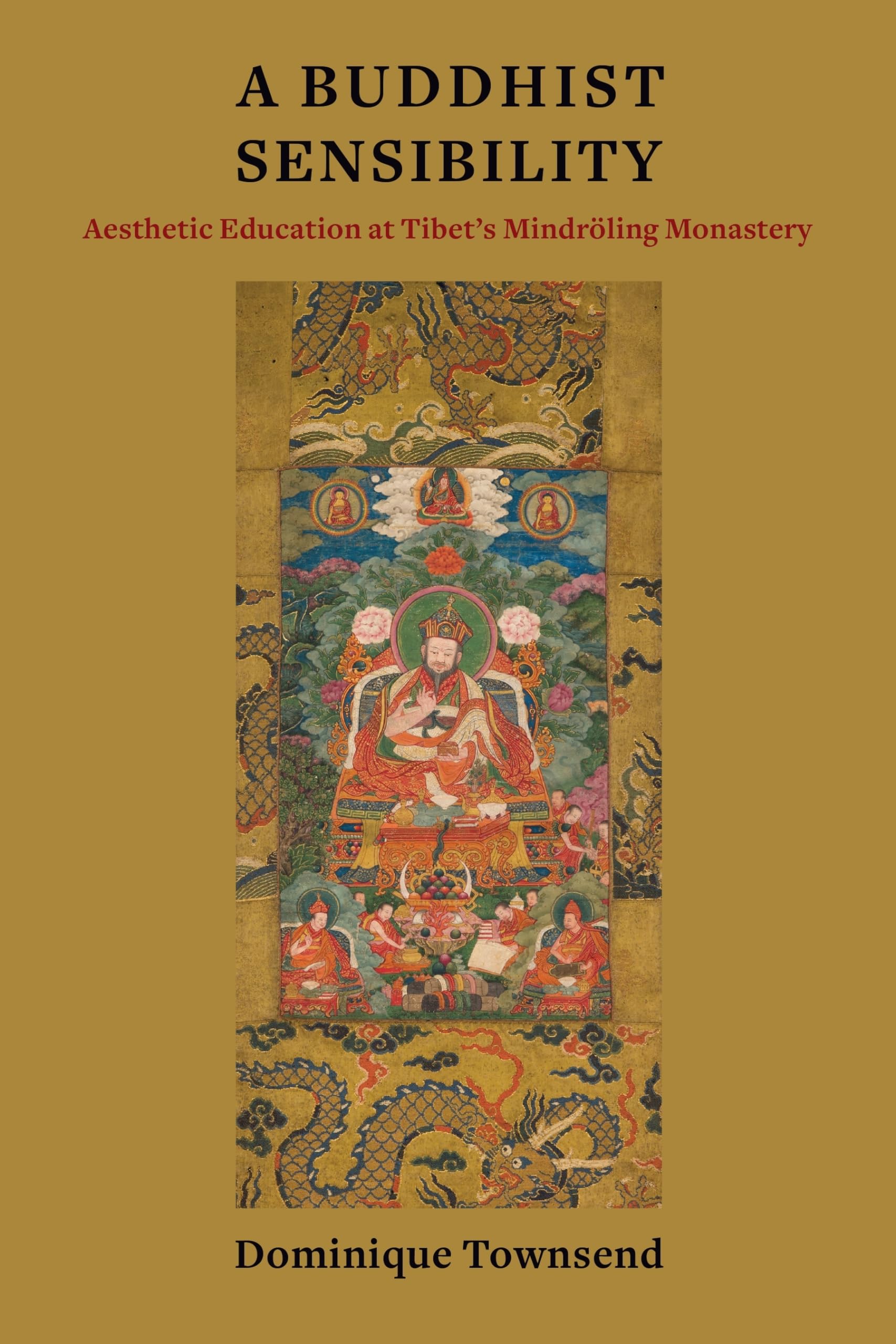
A Buddhist Sensibility: Aesthetic Education at Tibet's Mindrling Monastery (Studies of the Weatherhead East Asian Institute, Col,Used
Sold by Ergodebooks, an authorized reseller.
Returns accepted within 30 days | support@ergodebooks.com
Shipping Information
- Free Standard Shipping — United States only
- Processing Time: 3–5 business days
- Estimated Delivery: 6–10 business days after dispatch
- Double-boxed, fully insured & discreetly packaged
- Tracking number sent via email once dispatched
Returns & Refund
Returns accepted within 30 days of delivery.
Damaged or Defective Item
Free return shipping + replacement or full refund
Wrong Item Received
Free return shipping + replacement or full refund
Change of Mind
Return shipping at customer's expense · 25% restocking fee applies
Payment Option

Founded in 1676 during a cosmopolitan early modern period, Mindrling monastery became a key site for Buddhist education and a Tibetan civilizational center. Its founders sought to systematize and institutionalize a worldview rooted in Buddhist philosophy, engaging with contemporaries from across Tibetan Buddhist schools while crystallizing what it meant to be part of their own Nyingma school. At the monastery, ritual performance, meditation, renunciation, and training in the skills of a bureaucrat or member of the literati went hand in hand. Studying at Mindrling entailed training the senses and cultivating the objects of the senses through poetry, ritual music, monastic dance, visual arts, and incense production, as well as medicine and astrology.Dominique Townsend investigates the ritual, artistic, and cultural practices inculcated at Mindrling to demonstrate how early modern Tibetans integrated Buddhist and worldly activities through training in aesthetics. Considering laypeople as well as monastics and women as well as men, A Buddhist Sensibility sheds new light on the forms of knowledge valued in early modern Tibetan societies, especially among the ruling classes. Townsend traces how tastes, values, and sensibilities were cultivated and spread, showing what it meant for a person, lay or monastic, to be deemed well educated. Combining historical and literary analysis with fieldwork in Tibetan Buddhist communities, this book reveals how monastic institutions work as centers of cultural production beyond the boundaries of what is conventionally deemed Buddhist.
⚠️ WARNING (California Proposition 65):
This product may contain chemicals known to the State of California to cause cancer, birth defects, or other reproductive harm.
For more information, please visit www.P65Warnings.ca.gov.