
Title
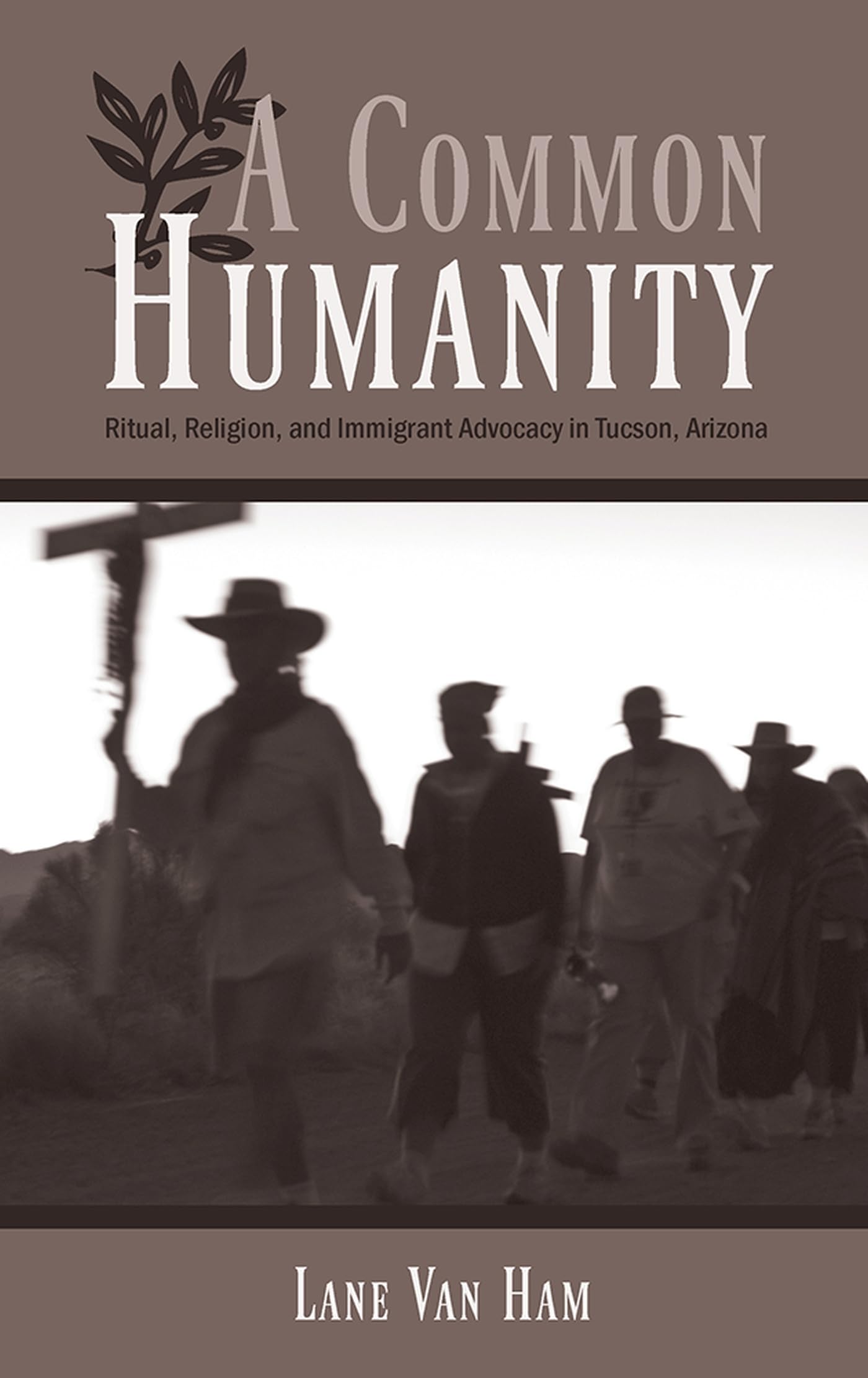
A Common Humanity: Ritual, Religion, And Immigrant Advocacy In Tucson, Arizona,Used
Sold by Ergodebooks, an authorized reseller.
Returns accepted within 30 days | support@ergodebooks.com
Shipping Information
- Free Standard Shipping — United States only
- Processing Time: 3–5 business days
- Estimated Delivery: 6–10 business days after dispatch
- Double-boxed, fully insured & discreetly packaged
- Tracking number sent via email once dispatched
Returns & Refund
Returns accepted within 30 days of delivery.
Damaged or Defective Item
Free return shipping + replacement or full refund
Wrong Item Received
Free return shipping + replacement or full refund
Change of Mind
Return shipping at customer's expense · 25% restocking fee applies
Payment Option

As debate about immigration policy rages from small towns to state capitals, from coffee shops to Congress, wouldbe immigrants are dying in the desert along the USMexico border. Beginning in the 1990s, the US government effectively sealed off the most common border crossing routes. This had the unintended effect of forcing desperate people to seek new paths across open desert. At least 4,000 of them died between 1995 and 2009. While some Americans thought the dead had gotten what they deserved, other Americans organized humanitarian aid groups. A Common Humanity examines some of the most active aid organizations in Tucson, Arizona, which has become a hotbed of advocacy on behalf of undocumented immigrants.This is the first book to examine immigrant aid groups from the inside. Author Lane Van Ham spent more than three years observing the groups and many hours in discussions and interviews. He is particularly interested in how immigrant advocates both uphold the legitimacy of the United States and maintain a broader view of its social responsibilities. By advocating for immigrants regardless of their documentation status, he suggests, advocates navigate the conflicting pulls of their own nationstate citizenship and broader obligations to their neighbors in a globalizing world. And although the advocacy organizations are not overtly religious, Van Ham finds that they do employ religious symbolism as part of their public rhetoric, arguing that immigrants are entitled to humane treatment based on universal human values.Beautifully written and immensely engaging, A Common Humanity adds a valuable human dimension to the immigration debate.
⚠️ WARNING (California Proposition 65):
This product may contain chemicals known to the State of California to cause cancer, birth defects, or other reproductive harm.
For more information, please visit www.P65Warnings.ca.gov.