
Title
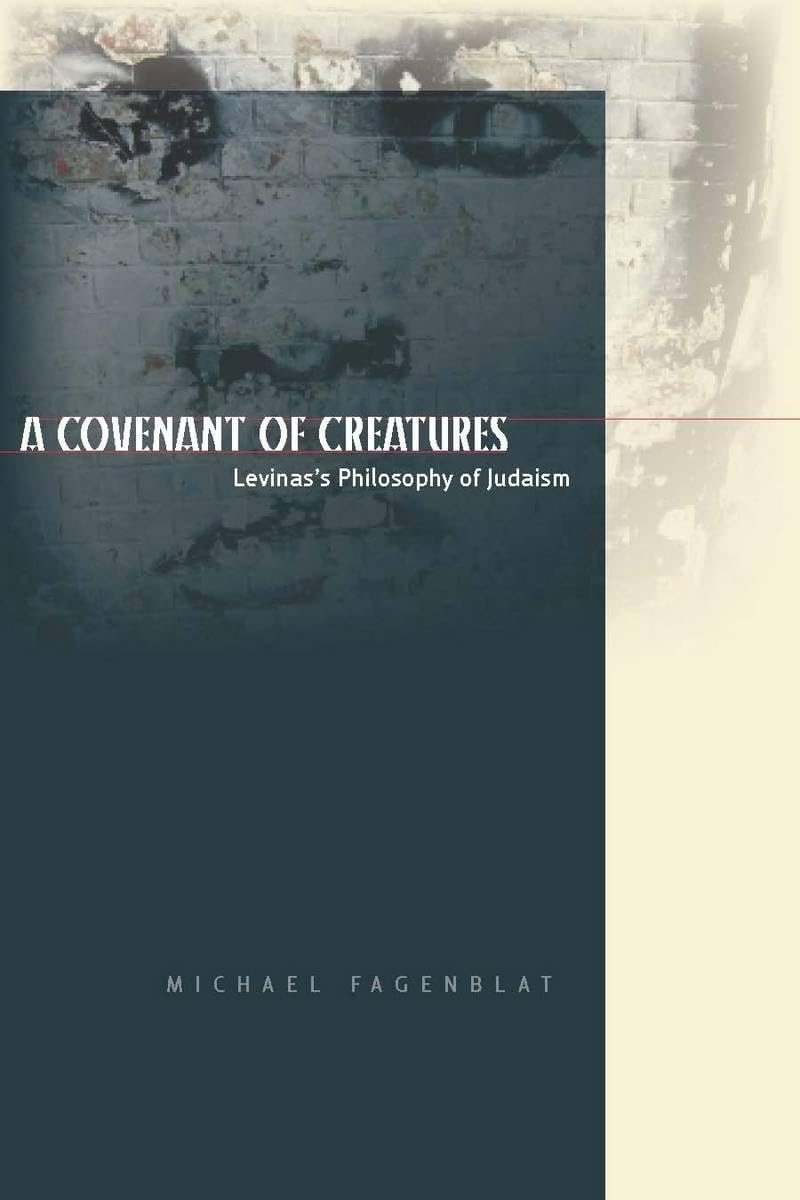
A Covenant Of Creatures: Levinas'S Philosophy Of Judaism (Cultural Memory In The Present)
Sold by Ergodebooks, an authorized reseller.
Returns accepted within 30 days | support@ergodebooks.com
Shipping Information
- Free Standard Shipping — United States only
- Processing Time: 3–5 business days
- Estimated Delivery: 6–10 business days after dispatch
- Double-boxed, fully insured & discreetly packaged
- Tracking number sent via email once dispatched
Returns & Refund
Returns accepted within 30 days of delivery.
Damaged or Defective Item
Free return shipping + replacement or full refund
Wrong Item Received
Free return shipping + replacement or full refund
Change of Mind
Return shipping at customer's expense · 25% restocking fee applies
Payment Option

I Am Not A Particularly Jewish Thinker, Said Emmanuel Levinas, I Am Just A Thinker. This Book Argues Against The Idea, Affirmed By Levinas Himself, That Totality And Infinity And Otherwise Than Being Separate Philosophy From Judaism. By Reading Levinas'S Philosophical Works Through The Prism Of Judaic Texts And Ideas, Michael Fagenblat Argues That What Levinas Called Ethics Is As Much A Hermeneutical Product Wrought From The Judaic Heritage As A Series Of Phenomenological Observations. Decoding The Levinas'S Philosophy Of Judaism Within A Heideggerian And Pauline Framework, Fagenblat Uses Biblical, Rabbinic, And Maimonidean Texts To Provide Sustained Interpretations Of The Philosopher'S Work. Ultimately He Calls For A Reconsideration Of The Relation Between Tradition And Philosophy, And Of The Meaning Of Faith After The Death Of Epistemology.
⚠️ WARNING (California Proposition 65):
This product may contain chemicals known to the State of California to cause cancer, birth defects, or other reproductive harm.
For more information, please visit www.P65Warnings.ca.gov.
- Q: What is the main focus of 'A Covenant of Creatures'? A: The book explores Emmanuel Levinas's philosophy in relation to Judaism, arguing that his ethical framework is deeply rooted in Judaic heritage rather than being solely a product of philosophical thought.
- Q: Who is the author of this book? A: The author is Michael Fagenblat, who analyzes Levinas's works through the lens of Judaic texts and ideas.
- Q: What is the publication date of 'A Covenant of Creatures'? A: The book was published on June 3, 2010.
- Q: How many pages does the book contain? A: The book contains 272 pages.
- Q: What is the binding type of this book? A: This book is available in paperback binding.
- Q: Is 'A Covenant of Creatures' suitable for those interested in philosophy or Judaism? A: Yes, the book is ideal for readers interested in the intersection of philosophy and Judaism, particularly those studying Levinas's works.
- Q: Does this book include interpretations of specific texts? A: Yes, Fagenblat uses biblical, rabbinic, and Maimonidean texts to provide interpretations of Levinas's philosophy.
- Q: What themes are covered in the book? A: Key themes include ethics, tradition, philosophy, and the relationship between faith and epistemology in the context of Judaic thought.
- Q: Is this book recommended for academic study? A: Yes, it is recommended for academic study, particularly in courses focusing on philosophy, Jewish studies, or ethics.
- Q: What edition of the book is available? A: The book is available in its first edition.