
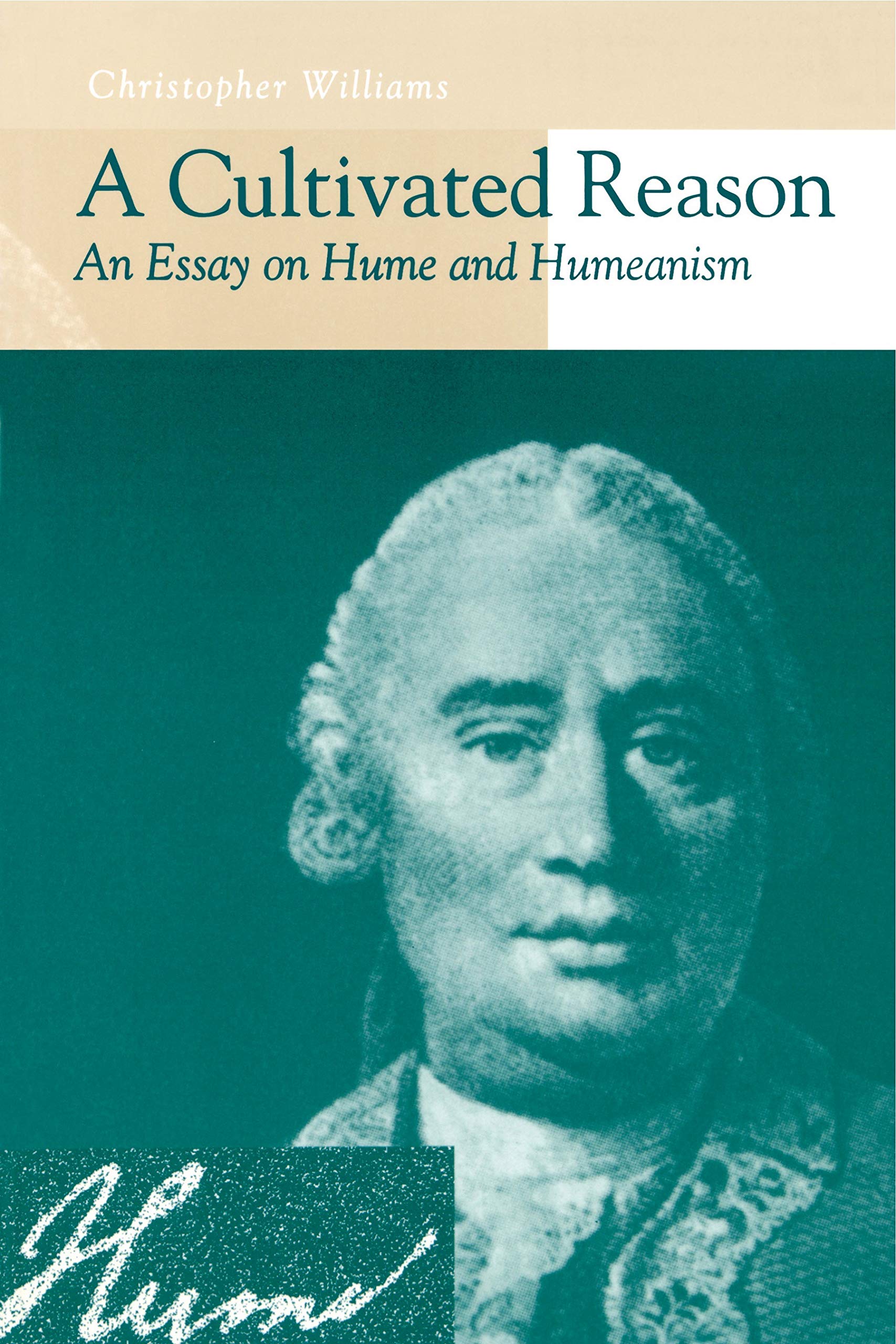
Title
A Cultivated Reason: An Essay On Hume And Humeanism,Used
Sold by Ergodebooks, an authorized reseller.
Returns accepted within 30 days | support@ergodebooks.com
Shipping Information
- Free Standard Shipping — United States only
- Processing Time: 3–5 business days
- Estimated Delivery: 6–10 business days after dispatch
- Double-boxed, fully insured & discreetly packaged
- Tracking number sent via email once dispatched
Returns & Refund
Returns accepted within 30 days of delivery.
Damaged or Defective Item
Free return shipping + replacement or full refund
Wrong Item Received
Free return shipping + replacement or full refund
Change of Mind
Return shipping at customer's expense · 25% restocking fee applies
Payment Option

As Platos tripartite division of the soul, Descartess criterion of clear and distinct ideas, and Kants notion of the categorical imperative attest, philosophy has traditionally been wedded to rationalism and its intellectualist view of persons. In this book Christopher Williams seeks to wean his fellow philosophers away from an overly rationalistic selfunderstanding by using resources that are available within the philosophical tradition itself, including some that anticipate strands of Nietzsches thought.The book begins by developing Humes critique of rationalism, with reference especially to the section of the Treatise that deals with the continuing existence of bodies (an argument that subverts intellectualist criteria by attempting to satisfy them) and to his neglected essay The Sceptic where Hume reveals the importance of our embodiment through a comic portrayal of philosophers efforts to correct our sentiments. Then it moves on to ward off charges of irrationalism by showing that, although our powers of selfcorrection are more limited than the rationalist thinks they are, a Humean position is able both to sustain a commitment to reflection and to sensitize us to a version of irrationalism, manifest in monotheistic theologies, that is otherwise difficult to detect. The book concludes, more speculatively, with a comparison of persons to artworks in order to show how our aesthetic dimension is the source of some of the normative work previously assigned to rationalist reason.Ranging as it does across subfields from epistemology and history of philosophy to ethics and aesthetics, A Cultivated Reason should appeal to a wide audience of philosophers and to scholars in other fields as well.
⚠️ WARNING (California Proposition 65):
This product may contain chemicals known to the State of California to cause cancer, birth defects, or other reproductive harm.
For more information, please visit www.P65Warnings.ca.gov.