
Title
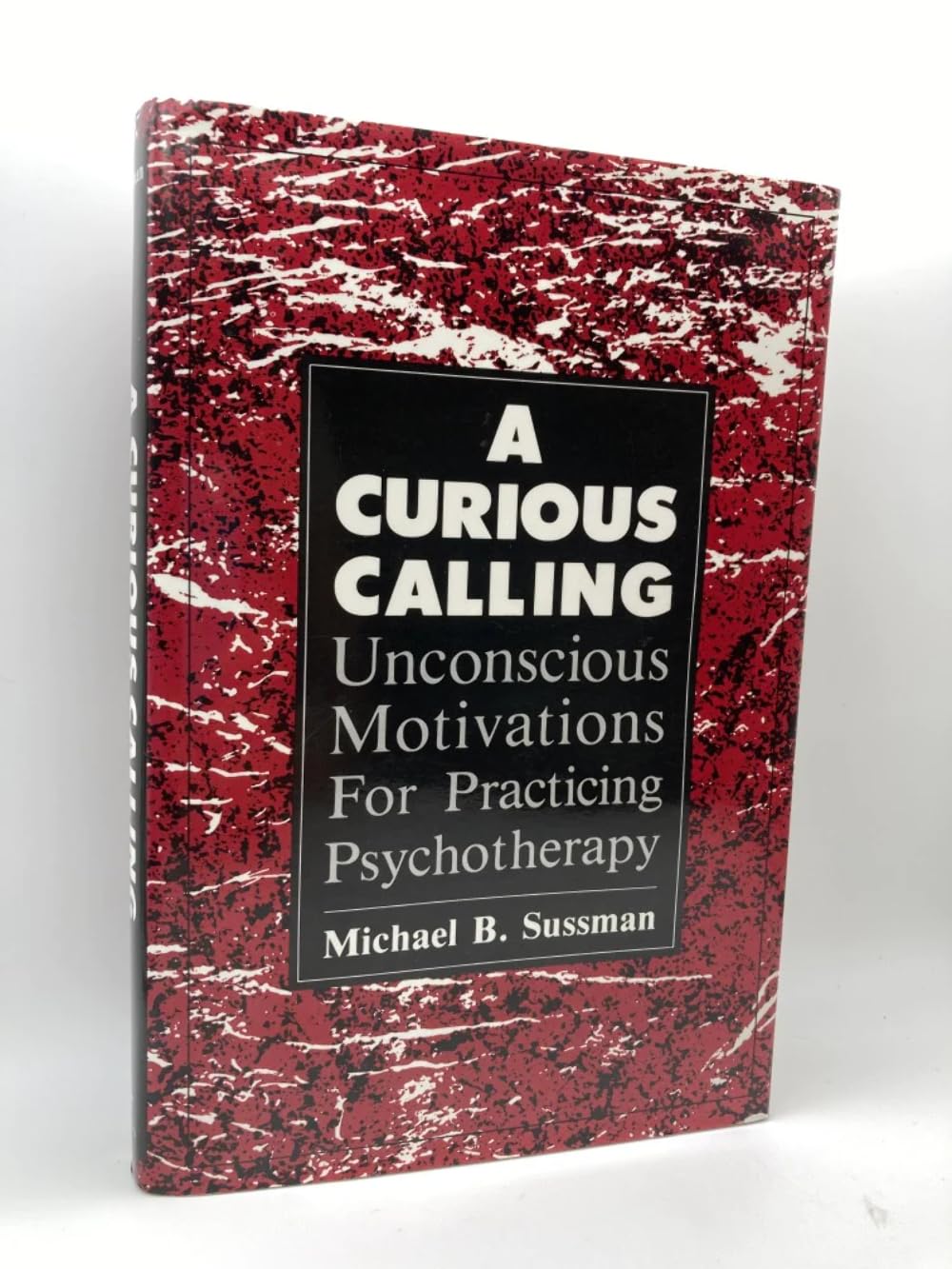
A Curious Calling,Used
Sold by Ergodebooks, an authorized reseller.
Returns accepted within 30 days | support@ergodebooks.com
Shipping Information
- Free Standard Shipping — United States only
- Processing Time: 3–5 business days
- Estimated Delivery: 6–10 business days after dispatch
- Double-boxed, fully insured & discreetly packaged
- Tracking number sent via email once dispatched
Returns & Refund
Returns accepted within 30 days of delivery.
Damaged or Defective Item
Free return shipping + replacement or full refund
Wrong Item Received
Free return shipping + replacement or full refund
Change of Mind
Return shipping at customer's expense · 25% restocking fee applies
Payment Option

In this book, 'What brings you here?' the standard opening question asked in therapy is posed to therapists themselves. It is a study of the unconscious factors that contribute to the decision to become a psychotherapist. Regardless of primary discipline, a major determinant of this career choice is the wish to resolve one's own emotional problems. When understood and mastered, however, such difficulties allow therapists to be more effective. Those who have experienced and borne emotional pain have an enhanced capacity to empathize with it and to understand it in others.Sussman approaches therapists' motives from drive, self, and object relations theory. Some of the dynamics are: sadistic and masochistic tendencies, maternal identification, strong narcissistic needs for omnipotence, sensitivity to the unconscious needs of others, strong dependency needs, and unconscious rescue fantasies. Each therapist presents a unique combination of underlying dynamics contributing to the desire to practice psychotherapy. Some determinants promote the therapeutic process, while others are neurotic (or psychotic) and are potentially destructive.There are hidden dangers for therapists when their motives remain unexplored. One of these hazards is that practitioners are at greater risk for burnout. By recognizing and mastering the pathological sources of their wish to heal, psychotherapists can ultimately heal their own wounds and achieve a more loving and creative helping capacity.
⚠️ WARNING (California Proposition 65):
This product may contain chemicals known to the State of California to cause cancer, birth defects, or other reproductive harm.
For more information, please visit www.P65Warnings.ca.gov.
- Q: How many pages does the book contain? A: The book contains three hundred four pages. This length allows for an in-depth exploration of the unconscious motivations behind practicing psychotherapy.
- Q: What is the binding type of this book? A: The book is hardcover bound. This type of binding adds durability and a professional appearance, making it suitable for both personal and academic use.
- Q: What are the dimensions of the book? A: The book measures six point four six inches in length, one point one inches in width, and nine point two nine inches in height. These dimensions make it a manageable size for reading and storage.
- Q: Who is the author of the book? A: The author of the book is Michael B. Sussman. He provides insights into the unconscious factors influencing psychotherapists and their practice.
- Q: What genre does this book fall under? A: This book falls under the category of guides. It specifically addresses the psychological aspects of psychotherapy practice.
- Q: Is this book suitable for beginners in psychotherapy? A: Yes, this book is suitable for beginners. It offers foundational insights into the motivations behind becoming a psychotherapist, which can be beneficial for those new to the field.
- Q: Can therapists use this book for personal development? A: Yes, therapists can use this book for personal development. It explores the unconscious motivations that can enhance their effectiveness in therapy.
- Q: What themes are explored in the book? A: The book explores themes such as emotional pain, empathy, and the dynamics of therapist motivations. These themes are essential for understanding the therapeutic process.
- Q: Is the book appropriate for academic use? A: Yes, the book is appropriate for academic use. It provides valuable insights and theories relevant to psychology and psychotherapy studies.
- Q: How should I store this book to keep it in good condition? A: Store the book in a cool, dry place away from direct sunlight. This will help preserve the cover and pages over time.
- Q: What precautions should I take when handling the book? A: Handle the book with clean hands to avoid dirt and oil stains. Additionally, avoid bending the spine to maintain its integrity.
- Q: Is there a risk of burnout for therapists discussed in the book? A: Yes, the book discusses the risk of burnout for therapists. It emphasizes the importance of understanding their motivations to prevent professional exhaustion.
- Q: What should I do if I receive a damaged book? A: If you receive a damaged book, contact the seller immediately for a return or replacement. Most sellers have policies in place for such issues.
- Q: Can I find related resources in this book? A: Yes, the book may reference related resources and studies. It serves as a foundation for further exploration of psychotherapy motivations.
- Q: Is there any adult content in this book? A: No, there is no adult content in this book. It is focused on psychological theories and practices relevant to psychotherapy.