
Title
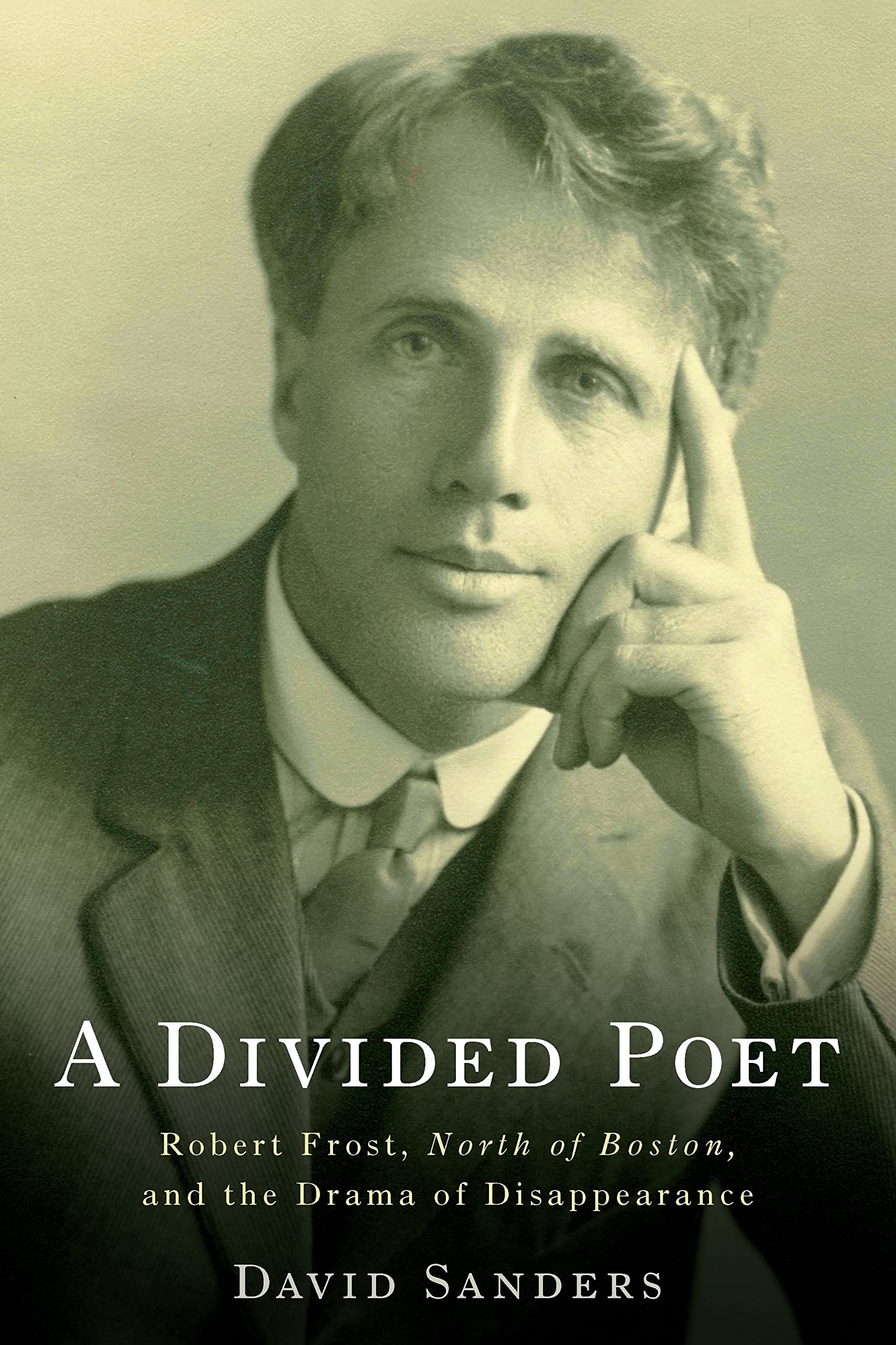
A Divided Poet: Robert Frost, North of Boston, and the Drama of Disappearance (Studies in American Literature and Culture),Used
Sold by Ergodebooks, an authorized reseller.
Returns accepted within 30 days | support@ergodebooks.com
Shipping Information
- Free Standard Shipping — United States only
- Processing Time: 3–5 business days
- Estimated Delivery: 6–10 business days after dispatch
- Double-boxed, fully insured & discreetly packaged
- Tracking number sent via email once dispatched
Returns & Refund
Returns accepted within 30 days of delivery.
Damaged or Defective Item
Free return shipping + replacement or full refund
Wrong Item Received
Free return shipping + replacement or full refund
Change of Mind
Return shipping at customer's expense · 25% restocking fee applies
Payment Option

North of Boston, Robert Frost's second book of verse and arguably his greatest, brought him suddenly into national prominence in 1915. Though completed and first published in England in 1914, the book was rooted in the decade, 19001910, that Frost spent in Derry, New Hampshire, where he witnessed the decline of its traditional farming culture. In presenting this "drama of disappearance," twelve of the book's fifteen principal poems are literally dramatic, composed mainly of direct dialogue. Among them are three of Frost's most famous lyrics, each featuring a signature task of New England life and underlining the book's tribute to a fading culture. Collectively, the poems bring the diction and tones of a New England vernacular within a traditional metric frame, making "music," as Frost boasted, "from the sound of sense" and poetry of "a language absolutely unliterary." Such adaptations of ordinary language and experience to blank verse drama made Frost a founder of American modernism and North of Boston one of its monuments. Exploring Frost's complex connection to his poetic characters, this study provides new readingsof the individual poems and a new look at North of Boston's development. To a degree no other study has done, it addresses the book's design as an artistic whole while placing it in the context of Frost's unfolding career.David Sanders is Professor Emeritus of English at St. John Fisher College, Rochester, New York.Table of ContentsIntroduction: The Poet, His People, andThe Drama of DisappearanceFrost in DerryButtering One's ParsnipsWinners, Losers, and the PoetLiving One's DemocracyThe Poet and the Burden of ReproachNorth of Boston's Major LyricsWelcome and Farewell: Prologue and EpilogueWorks CitedIndex
⚠️ WARNING (California Proposition 65):
This product may contain chemicals known to the State of California to cause cancer, birth defects, or other reproductive harm.
For more information, please visit www.P65Warnings.ca.gov.