If you have any questions, you are always welcome to contact us. We'll get back to you as soon as possible, withing 24 hours on weekdays.
Customer service
All questions about your order, return and delivery must be sent to our customer service team by e-mail at yourstore@yourdomain.com
Sale & Press
If you are interested in selling our products, need more information about our brand or wish to make a collaboration, please contact us at press@yourdomain.com
Help
If you have any questions, you are always welcome to contact us. We'll get back to you as soon as possible, withing 24 hours on weekdays.
Customer service
All questions about your order, return and delivery must be sent to our customer service team by e-mail at yourstore@yourdomain.com
Sale & Press
If you are interested in selling our products, need more information about our brand or wish to make a collaboration, please contact us at press@yourdomain.com
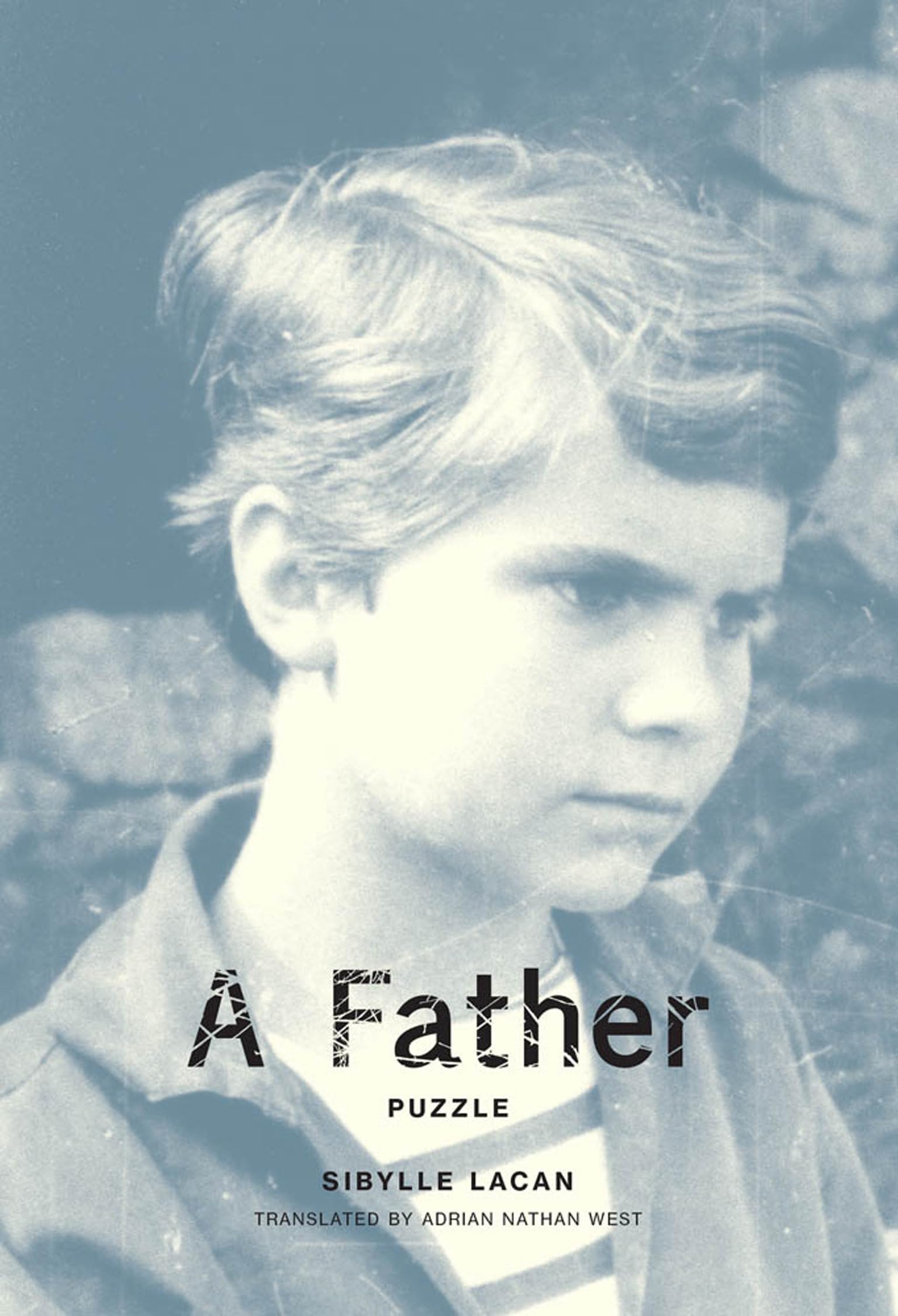
The daughter of French psychoanalyst Jacques Lacan tries to make sense of her relationship with her father.When I was born, my father was already no longer there. Sibylle Lacan's memoir of her father, the influential French psychoanalyst Jacques Lacan, is told through fragmentary, elliptical episodes, and describes a figure who had defined himself to her as much by his absence as by his presence. Sibylle was the second daughter and unhappy last child of Lacan's first marriage: the fruit of despair (some will say of desire, but I do not believe them). Lacan abandoned his old family for a new one: a new partner, Sylvia Bataille (the wife of Georges Bataille), and another daughter, born a few months after Sibylle. For years, this daughter, Judith, was the only publicly recognized child of Lacaneven if, due to French law, she lacked his name.In one sense, then, A Father presents the voice of one who, while bearing his name, had been erased. If Jacques Lacan had described the word as a presence made of absence, Sibylle Lacan here turns to the language of the memoir as a means of piecing together the presence of a man who had entered her life in absence, and in his passing, finished in it. In its interplay of absence, naming, and the despair engendered by both, A Father ultimately poses an essential question: what is a father? This firstperson account offers both a riposte and a complement to the concept (and the name) of the father as Lacan had defined him in his work, and raises difficult issues about the influence biography can have on theoryand vice versaand the sometimes yawning divide that can open up between theory and the lives we lead.
⚠️ WARNING (California Proposition 65):
This product may contain chemicals known to the State of California to cause cancer,
birth defects, or other reproductive harm.
For MAP (Minimum Advertised Price) violations and Intellectual Property (IP) or Trademark concerns, please contact:
support@ergodebooks.com
⚠️ California Proposition 65 Warning: Some products sold on this website may expose you to chemicals known to the State of California to cause cancer, birth defects, or other reproductive harm. For more information, visit www.P65Warnings.ca.gov.