
Title
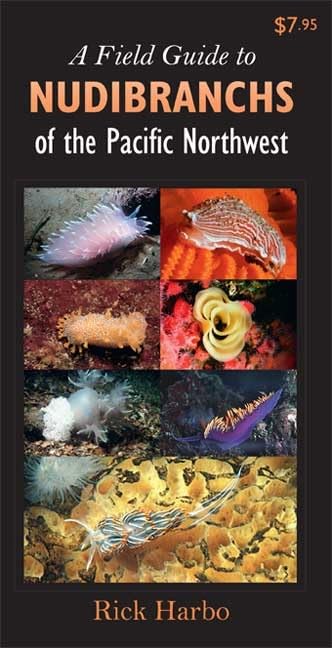
A Field Guide To Nudibranchs Of The Pacific Northwest (Field Guide To... (Harbour Publishing))
Sold by Ergodebooks, an authorized reseller.
Returns accepted within 30 days | support@ergodebooks.com
Shipping Information
- Free Standard Shipping — United States only
- Processing Time: 3–5 business days
- Estimated Delivery: 6–10 business days after dispatch
- Double-boxed, fully insured & discreetly packaged
- Tracking number sent via email once dispatched
Returns & Refund
Returns accepted within 30 days of delivery.
Damaged or Defective Item
Free return shipping + replacement or full refund
Wrong Item Received
Free return shipping + replacement or full refund
Change of Mind
Return shipping at customer's expense · 25% restocking fee applies
Payment Option

Sometimes Called The Most Colourful Creatures On Earth,Nudibranchs Are A Type Of Shellless Marine Snail That Capture The Attention Of Scuba Divers, Snorkelers And Tidepoolgazers With Their Bizarre, Ornate Body Forms And Incandescent Colouration.There Are Over 3,000 Species Worldwide And Some Of The Most Spectacular Specimens Are Native To The Temperate Waters Of The Pacific Northwest. A Diver Of Many Years' Experience, Rick Harbo Presents A Brilliant Guide To The Most Notable Specimens Found In Local Waters. This Durable, Waterresistant 8Fold Pamphlet Identifies More Than 50 Of The Most Common Species From California To Alaska And Is An Ideal Companion On Visits To The Sea As Well As A Beautiful Addition To The Home Library.
⚠️ WARNING (California Proposition 65):
This product may contain chemicals known to the State of California to cause cancer, birth defects, or other reproductive harm.
For more information, please visit www.P65Warnings.ca.gov.
- Q: How many pages does this field guide have? A: This field guide has two pages. It is designed as a durable, water-resistant pamphlet for easy use in marine environments.
- Q: What are the dimensions of this pamphlet? A: The pamphlet measures four point seven four inches in length, zero point zero eight inches in width, and nine point zero six inches in height.
- Q: What type of binding does this guide use? A: This guide uses pamphlet binding. This format allows for easy folding and portability during marine excursions.
- Q: How can I use this field guide effectively? A: You can use this field guide to identify nudibranch species while diving or tidepooling. It provides information on over fifty common species found in the Pacific Northwest.
- Q: Is this guide suitable for beginners? A: Yes, this guide is suitable for beginners. Its clear images and descriptions help novice divers and tidepoolers identify marine life easily.
- Q: Can I take this guide underwater? A: Yes, this pamphlet is water-resistant. It's designed for use in marine environments, making it practical for underwater exploration.
- Q: How should I store this field guide? A: You should store this field guide in a cool, dry place. Keeping it in a protective case will help maintain its condition.
- Q: Is this guide safe for children? A: Yes, this guide is safe for children. It contains educational content about marine life and can inspire interest in nature and conservation.
- Q: How do I clean this pamphlet if it gets dirty? A: You can clean this pamphlet with a damp cloth. Avoid using harsh chemicals to preserve the images and text.
- Q: What if my field guide arrives damaged? A: If your field guide arrives damaged, contact customer support for a replacement or refund. Make sure to provide details about the damage.
- Q: How many species are featured in this guide? A: The guide features over fifty species of nudibranchs. It highlights the most common types found from California to Alaska.
- Q: Who is the author of this field guide? A: The author of this field guide is Rick Harbo. He is an experienced diver and marine life expert.
- Q: Is this guide available in other regions? A: No, this guide specifically focuses on nudibranchs of the Pacific Northwest. It is tailored to marine life found in that area.
- Q: What type of illustrations does the guide include? A: The guide includes colour photographs of nudibranchs. These images help users accurately identify the species in the wild.
- Q: Can this guide be used for educational purposes? A: Yes, this guide can be used for educational purposes. It is an excellent resource for teaching about marine biodiversity and ecosystems.