
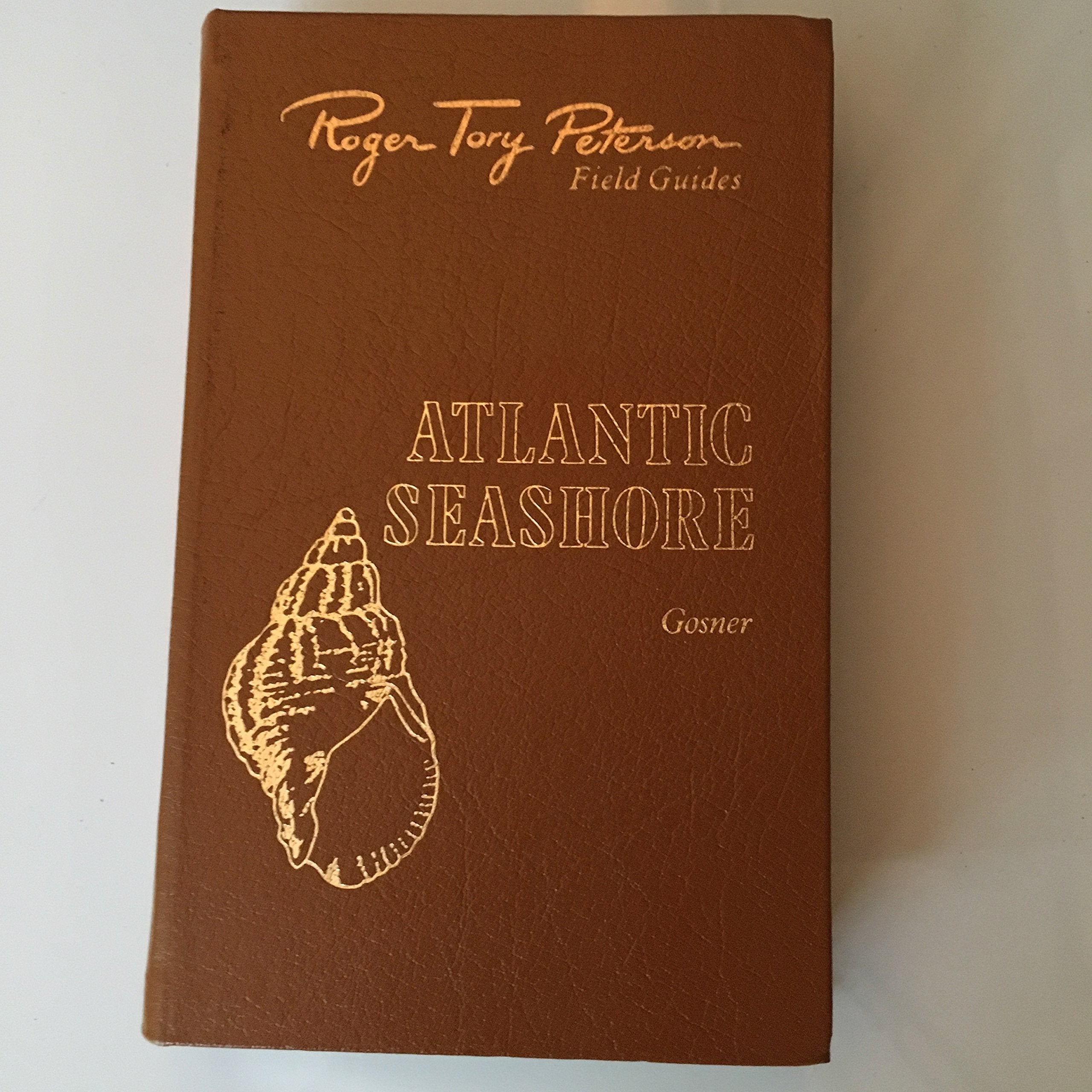
Title
A Field Guide To The Atlantic Seashore: From The Bay Of Fundy To Cape Hatteras (Peterson Field Guide),Used
Sold by Ergodebooks, an authorized reseller.
Returns accepted within 30 days | support@ergodebooks.com
Shipping Information
- Free Standard Shipping — United States only
- Processing Time: 3–5 business days
- Estimated Delivery: 6–10 business days after dispatch
- Double-boxed, fully insured & discreetly packaged
- Tracking number sent via email once dispatched
Returns & Refund
Returns accepted within 30 days of delivery.
Damaged or Defective Item
Free return shipping + replacement or full refund
Wrong Item Received
Free return shipping + replacement or full refund
Change of Mind
Return shipping at customer's expense · 25% restocking fee applies
Payment Option

More Than 1,000 Illustrations, Arranged According To Visual Similarities, Show Plant And Animal Species Of The Atlantic Coast From The Bay Of Fundy To Cape Hatteras. This Guide Includes Information On How To Locate Each Species By Geographic Range, Tidal Range, Tidal Level, Season, Topography, And Climate.
⚠️ WARNING (California Proposition 65):
This product may contain chemicals known to the State of California to cause cancer, birth defects, or other reproductive harm.
For more information, please visit www.P65Warnings.ca.gov.
- Q: How many pages does this book have? A: This book has three hundred twenty-nine pages. It provides an in-depth look at the plant and animal species of the Atlantic Coast.
- Q: What are the dimensions of this guide? A: The dimensions of the guide are four point seven six inches in length, one inch in width, and seven point two five inches in height. This size makes it portable for field use.
- Q: What type of binding does this book have? A: This book has a paperback binding. This makes it lightweight and easy to carry for outdoor adventures.
- Q: Who is the author of this field guide? A: The author of this field guide is Roger Tory Peterson. He is renowned for his contributions to ecology and field guides.
- Q: What topics does this book cover? A: This book covers ecology and biodiversity of the Atlantic Coast. It includes detailed information on species identification and habitat.
- Q: How can I use this field guide effectively? A: You can use this field guide by referencing its illustrations to identify species you encounter. It also provides information on geographic and tidal ranges.
- Q: Is this guide suitable for beginners? A: Yes, this guide is suitable for beginners. Its clear illustrations and descriptions make it accessible for those new to ecology.
- Q: Can this book help with species identification? A: Yes, this book is designed to help with species identification. It organizes illustrations by visual similarities to aid in recognizing various plants and animals.
- Q: What season is this guide best used for? A: This guide is useful for all seasons. It includes information specific to seasonal variations in species visibility.
- Q: How should I store this book? A: You should store this book in a dry place, away from direct sunlight. This will help preserve the illustrations and the binding.
- Q: Is this book safe for children? A: Yes, this book is safe for children. It is educational and encourages interest in ecology and nature.
- Q: How do I maintain this book's condition? A: To maintain this book's condition, keep it away from moisture and handle it carefully. Avoid bending the spine to prevent damage.
- Q: What if the book arrives damaged? A: If the book arrives damaged, you can return it for a replacement. Check the return policy for specific instructions.
- Q: Is this field guide suitable for professionals? A: Yes, this field guide is suitable for professionals. It offers detailed information that can complement advanced studies in ecology.
- Q: What geographic areas does this guide cover? A: This guide covers the Atlantic Coast from the Bay of Fundy to Cape Hatteras. It includes species found within this specific range.
- Q: Can this book be used for educational purposes? A: Yes, this book can be used for educational purposes. It is an excellent resource for teaching about coastal ecology and biodiversity.