
Title
A Framework for Geodesign: Changing Geography by Design,Used
Sold by Ergodebooks, an authorized reseller.
Returns accepted within 30 days | support@ergodebooks.com
Shipping Information
- Free Standard Shipping — United States only
- Processing Time: 3–5 business days
- Estimated Delivery: 6–10 business days after dispatch
- Double-boxed, fully insured & discreetly packaged
- Tracking number sent via email once dispatched
Returns & Refund
Returns accepted within 30 days of delivery.
Damaged or Defective Item
Free return shipping + replacement or full refund
Wrong Item Received
Free return shipping + replacement or full refund
Change of Mind
Return shipping at customer's expense · 25% restocking fee applies
Payment Option

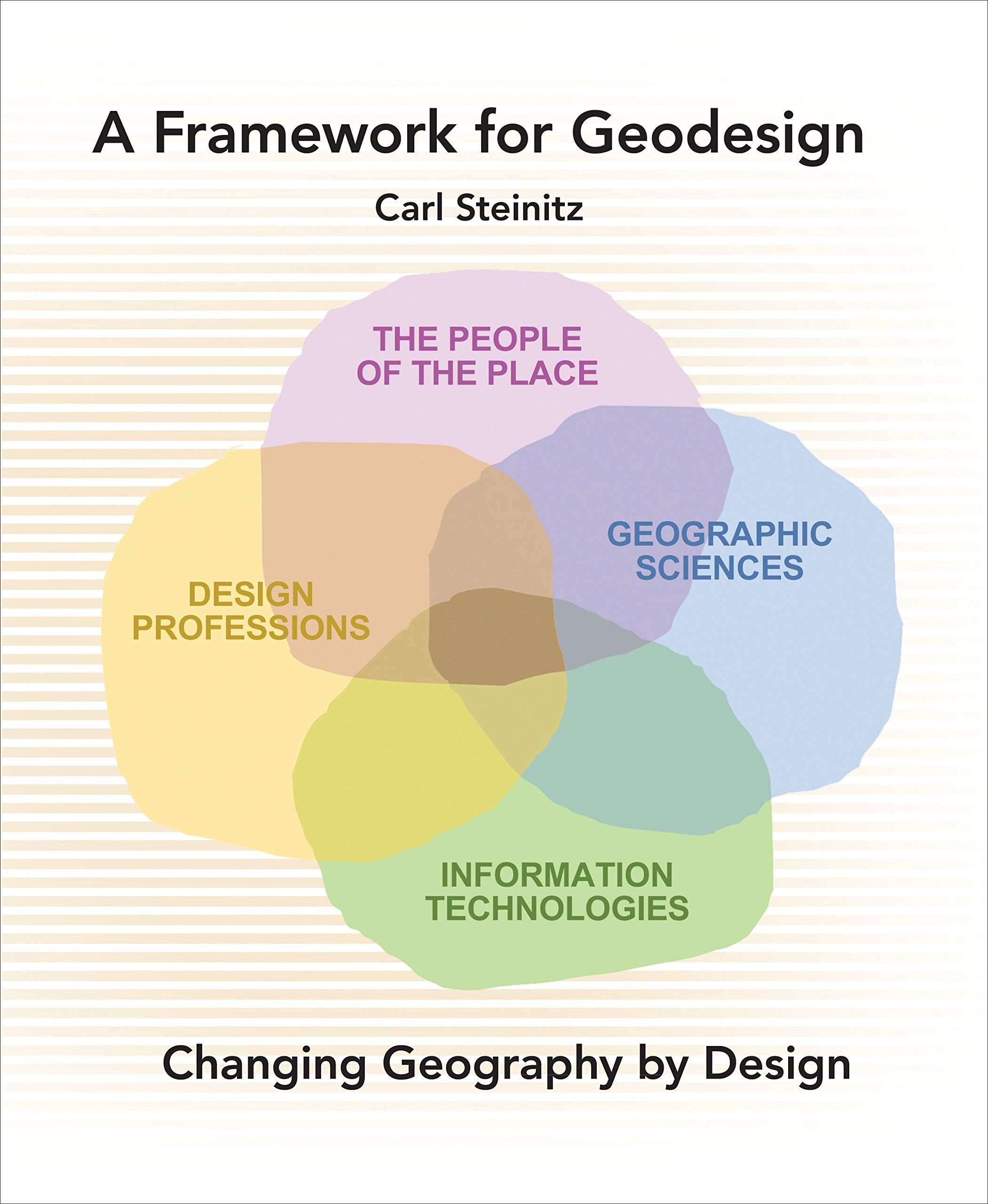
A Framework for Geodesign: Changing Geography by Design presents the key concepts, history, and methodology of geodesign. As an idea, geodesign has the potential to enable more effective and symbiotic collaboration among the several design professions, geographicallyoriented sciences, information technologists, and people impacted by change (the people of the place) when all of these groups aim to influence major environmental and social change for the better. According to author Carl Steinitz, this collaboration is essential.Steinitzs framework, described here in detail, can contribute to that goal. It is clear that for serious societal and environmental issues, designing for change cannot be a solitary activity. It inevitably is a team endeavor with many participants from the design professions and geographic sciences, linked by technology from several locations for rapid communication and feedback, and reliant on transparent communication with the people affected by change. These demands create opportunities for geodesign and the need for organizing that collaboration.Part I of the book is about the necessary but sometimes difficult collaboration between designers and scientists, and also focuses on key aspects of study areas, scale, and size which influence how geodesign is organized and carried out. Part II presents Steinitzs framework and addresses six key questions, and their related types of models, which must be integrated in geodesign. Part III features nine case studies that illustrate different ways of designing for change, while Part IV explores the future of geodesign in research, education, and practice.A Framework for Geodesign ooks mostly to the future, with a primary intention of helping the collaborating participants to achieve, in the words of the author, practical benefits from geodesign.
⚠️ WARNING (California Proposition 65):
This product may contain chemicals known to the State of California to cause cancer, birth defects, or other reproductive harm.
For more information, please visit www.P65Warnings.ca.gov.