If you have any questions, you are always welcome to contact us. We'll get back to you as soon as possible, withing 24 hours on weekdays.
Customer service
All questions about your order, return and delivery must be sent to our customer service team by e-mail at yourstore@yourdomain.com
Sale & Press
If you are interested in selling our products, need more information about our brand or wish to make a collaboration, please contact us at press@yourdomain.com
Help
If you have any questions, you are always welcome to contact us. We'll get back to you as soon as possible, withing 24 hours on weekdays.
Customer service
All questions about your order, return and delivery must be sent to our customer service team by e-mail at yourstore@yourdomain.com
Sale & Press
If you are interested in selling our products, need more information about our brand or wish to make a collaboration, please contact us at press@yourdomain.com
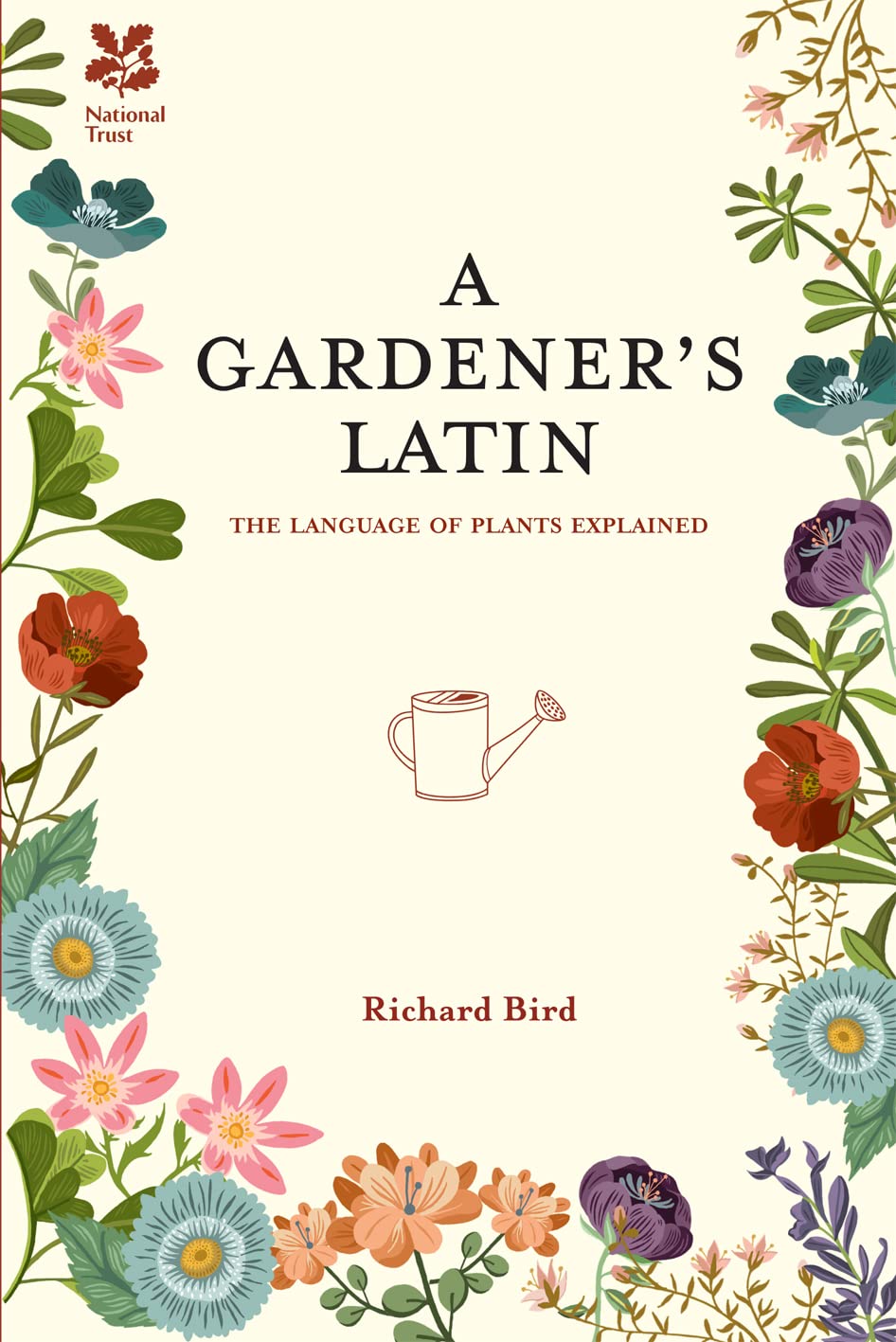
An exquisitely illustrated, lively exploration of Latin plant names explaining the meanings behind hundreds of names, from vulgaris ("common") to mirabilis ("extraordinary")Every gardener needs to know their Latin names. They may look confusing at first, but once you understand what certain key words mean, impenetrable sounding and hardtopronounce species names are suddenly demystified. Many Latin names hide the secrets of where the plant is found, its color, flowering times, leaf pattern, natural habitat, and all sorts of other information that's extremely useful to the gardener: if you want a plant for a shady place, choose one with a name ending in sylvestris ("of woods"), while if your garden is dry, look out for the suffix epigeios ("of dry places"). More than just a dictionary of plant names, this fascinating book explains the meaning of hundreds of Latin plant terms. Within these pages you'll learn that Digitalis purpurea (the common foxglove) is purple, that the sanguineum in Geranium sanguineum means "bloody" (its common name is the bloody cranesbill), and to steer clear of any plant whose Latin name ends in infestus.
⚠️ WARNING (California Proposition 65):
This product may contain chemicals known to the State of California to cause cancer,
birth defects, or other reproductive harm.
Q: What is the binding type of this book?A: This book is a hardcover. The hardcover binding provides durability and a premium feel, making it ideal for frequent use.
Q: How many pages does this book contain?A: This book contains one hundred sixty pages. These pages are filled with detailed illustrations and informative content about Latin plant names.
Q: What are the dimensions of this book?A: The book measures five inches in length, eight inches in height, and zero point eight inches in width. These dimensions make it easy to store on a bookshelf.
Q: How do I use this book?A: You can use this book as a reference guide for understanding Latin plant names. It's suitable for gardeners looking to decode plant nomenclature.
Q: Is this book suitable for beginners?A: Yes, this book is suitable for beginners. It explains the meanings of Latin terms in an accessible way, making it easy for any gardener to learn.
Q: Can I use this book for educational purposes?A: Yes, this book can be used for educational purposes. It provides valuable insights into plant names and their meanings, beneficial for students and hobbyists alike.
Q: How do I care for this book?A: To keep this book in good condition, store it upright in a cool, dry place. Avoid exposing it to direct sunlight to prevent fading.
Q: Is this book safe for children?A: Yes, this book is safe for children. It contains educational content about plants that can foster a love for gardening in young readers.
Q: Can I clean this book?A: No, do not clean this book with water or cleaning agents. Instead, gently dust it with a soft cloth to maintain its condition.
Q: What if the book arrives damaged?A: If the book arrives damaged, you can return it for a replacement. Contact customer support for assistance with your return.
Q: Does this book include illustrations?A: Yes, this book includes numerous illustrations. These illustrations enhance the understanding of the Latin names and the plants they represent.
Q: Is there a glossary in this book?A: Yes, there is a glossary that helps readers understand plant terminology. This feature is particularly useful for those new to gardening.
Q: Who is the author of this book?A: The author of this book is Richard Bird. He is known for his expertise in botany and gardening.
Q: What type of content can I expect from this book?A: You can expect content that explains the meanings behind hundreds of Latin plant names. It covers key terms that help gardeners make informed choices.
Q: Is this book part of a series?A: No, this book is not part of a series. It stands alone as a comprehensive guide to Latin plant names.
Q: Where is this book published?A: This book is published by Pavilion Books. It is part of their collection focused on gardening and horticulture.
For MAP (Minimum Advertised Price) violations and Intellectual Property (IP) or Trademark concerns, please contact:
support@ergodebooks.com
⚠️ California Proposition 65 Warning: Some products sold on this website may expose you to chemicals known to the State of California to cause cancer, birth defects, or other reproductive harm. For more information, visit www.P65Warnings.ca.gov.