
Title
A Genius For Place: American Landscapes Of The Country Place Era-used
Sold by Ergodebooks, an authorized reseller.
Returns accepted within 30 days | support@ergodebooks.com
Shipping Information
- Free Standard Shipping — United States only
- Processing Time: 3–5 business days
- Estimated Delivery: 6–10 business days after dispatch
- Double-boxed, fully insured & discreetly packaged
- Tracking number sent via email once dispatched
Returns & Refund
Returns accepted within 30 days of delivery.
Damaged or Defective Item
Free return shipping + replacement or full refund
Wrong Item Received
Free return shipping + replacement or full refund
Change of Mind
Return shipping at customer's expense · 25% restocking fee applies
Payment Option

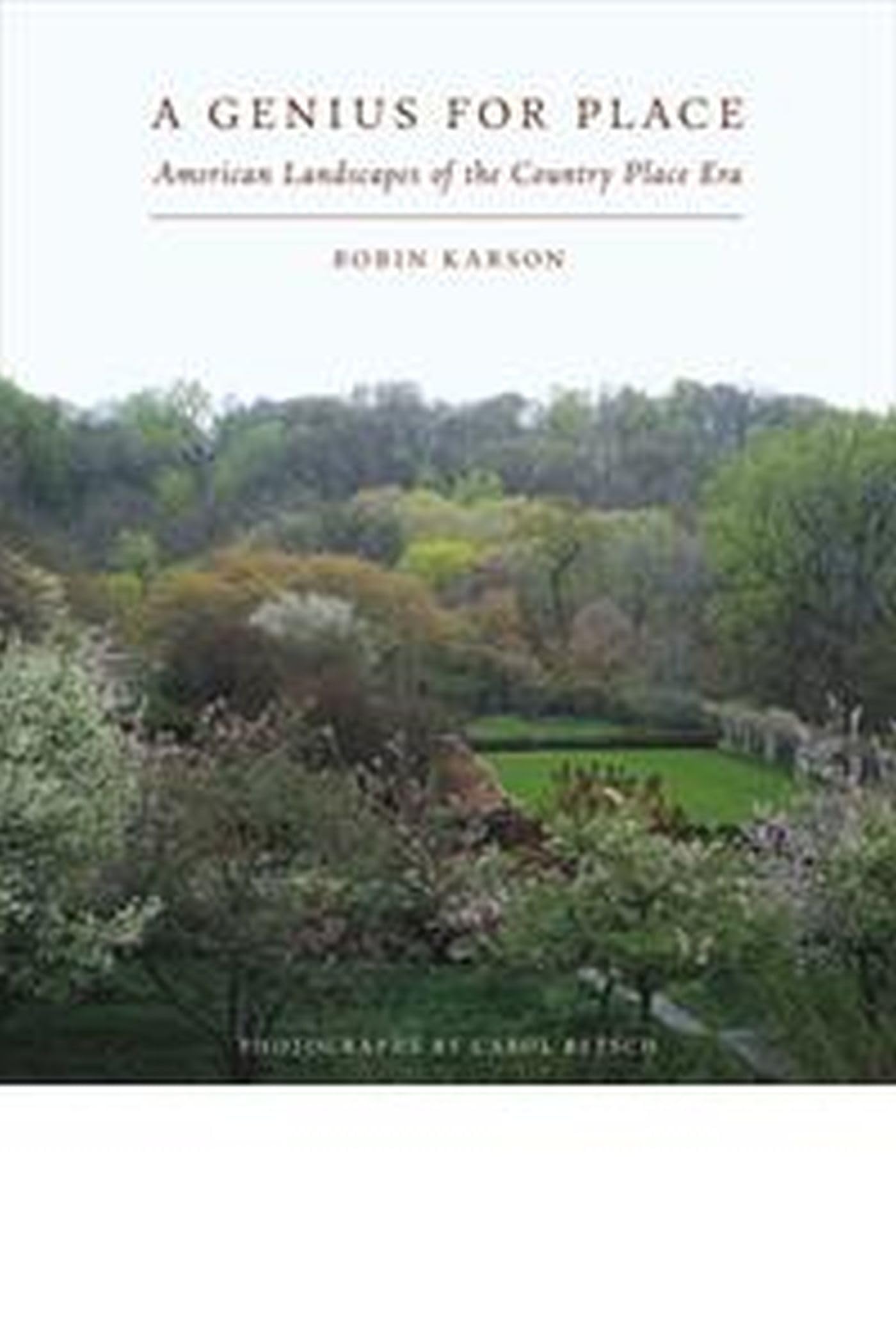
In This Beautifully Illustrated Survey, Robin Karson Traces The Development Of A Distinctly American Style Of Landscape Design Through An Analysis Of Seven Country Places Created By Some Of The Nations Most Talented Landscape Practitioners.In The Midnineteenth Century Frederick Law Olmsted, The Designer Of New Yorks Central Park, Developed An Approach To Landscape Design Based On The Principles Of The English Picturesque Which Also Emphasized A Specifically American Experience Of Nature And Scenery. After Olmsteds Retirement In 1897, These Precepts Continued To Ground A New Generation Of American Landscape Architects Through The Next Four Decades, A Period Known As The 'Country Place Era,' A Time Of Rapid Economic, Social, And Cultural Change.In The Early Twentieth Century, New Fortunes Made It Possible For Wealthy Americans To Commission Country Estates As A Means Of Aggrandizing Social Status. These Private Havens Also Offered Their Owners Respite From Crowded Cities And A Way To Preserve And Celebrate Places Of Distinctive Landscape Beauty. The Commissions Provided Burgeoning Numbers Of Landscape Architects With Opportunities To Experiment With Stylistic Influences Derived From Beauxarts, Arts And Crafts, And Even Asian Principles.The Chapters In This Book Trace A Progression In The Period From The Naturalistic Wild Gardens Of Warren Manning To The Mysterious 'Prairie Style' Landscapes Of Jens Jensen To The Protomodernist Gardens Of Fletcher Steele. Other Practitioners Cov Ered Are Charles Platt, Ellen Biddle Shipman, Beatrix Farrand, Marian Coffin, And Lockwood De Forest Jr. The Projects Profiled Follow A Broad Geographic Arc, From Stockbridge, Massachusetts, To Santa Barbara, California. All Seven Landscapes Are Now Open To Visitors.Analyzing These Designs In Context With One Another And Against The Backdrop Of The Professional And Cultural Currents That Shaped Larger Projectssuch As Parks, Campuses, And Planned Communitieskarson Creates A Rich And Comprehensive Picture Of The Artistic Achievements Of The Period. Striking Blackandwhite Images By Landscape Photographer Carol Betsch Illuminate The Transporting Spirit Of These Country Places Today, While Hundreds Of Drawings, Plans, And Historical Photographs Bring The Past To Life.Published In Association With Library Of American Landscape History: Http://Lalh.Org/
⚠️ WARNING (California Proposition 65):
This product may contain chemicals known to the State of California to cause cancer, birth defects, or other reproductive harm.
For more information, please visit www.P65Warnings.ca.gov.
- Q: How many pages does the book have? A: The book has four hundred fifty-six pages. This extensive length allows for a detailed exploration of American landscape design.
- Q: What are the dimensions of the book? A: The book measures nine point seven six inches in length, one point one four inches in width, and eleven point seven five inches in height. These dimensions make it a substantial hardcover volume.
- Q: What type of binding does the book have? A: The book is bound in hardcover. This durable binding ensures that it will withstand frequent use and remain in good condition.
- Q: Who is the author of the book? A: The author of the book is Robin Karson. She provides insightful analysis of American landscape architecture.
- Q: What is the main theme of the book? A: The main theme revolves around American landscape design during the country place era. It highlights the evolution of styles and practices among notable landscape architects.
- Q: Is this book suitable for beginners in landscape design? A: Yes, this book is suitable for beginners. It offers a comprehensive overview of landscape design that is accessible and informative.
- Q: Can this book be used as a reference for professional landscape architects? A: Yes, it can serve as a valuable reference for professional landscape architects. The book includes historical context and analysis of various influential designs.
- Q: Is this book appropriate for children? A: No, this book is not specifically targeted at children. It is intended for adults interested in landscape architecture.
- Q: How should I store this book to keep it in good condition? A: Store the book upright on a shelf or in a bookcase. Avoid exposure to direct sunlight and extreme humidity to prevent damage.
- Q: Are there any special care instructions for the book? A: Yes, handle the book with clean hands and avoid bending the spine. This will help preserve its condition over time.
- Q: What if the book arrives damaged? A: If the book arrives damaged, you should contact the seller for a return or exchange. Most sellers have a policy for damaged items.
- Q: Can I return the book if I change my mind? A: Yes, you can typically return the book if you change your mind. Check the seller's return policy for specific details.
- Q: Is this book available in digital format? A: No, this book is currently only available in hardcover format. There are no digital versions available at this time.
- Q: Does the book include illustrations or photographs? A: Yes, the book contains striking black-and-white images and numerous drawings. These visuals enhance the understanding of the content.
- Q: Are there any notable landscape architects featured in the book? A: Yes, notable architects such as Frederick Law Olmsted and Jens Jensen are featured. Their contributions to landscape design are highlighted.
- Q: What is the publisher of the book? A: The book is published by University of Massachusetts Press. They are known for their focus on scholarly works.