
Title
A Handbook Of Biological Illustration (Chicago Guides To Writing, Editing, And Publishing),Used
Sold by Ergodebooks, an authorized reseller.
Returns accepted within 30 days | support@ergodebooks.com
Shipping Information
- Free Standard Shipping — United States only
- Processing Time: 3–5 business days
- Estimated Delivery: 6–10 business days after dispatch
- Double-boxed, fully insured & discreetly packaged
- Tracking number sent via email once dispatched
Returns & Refund
Returns accepted within 30 days of delivery.
Damaged or Defective Item
Free return shipping + replacement or full refund
Wrong Item Received
Free return shipping + replacement or full refund
Change of Mind
Return shipping at customer's expense · 25% restocking fee applies
Payment Option

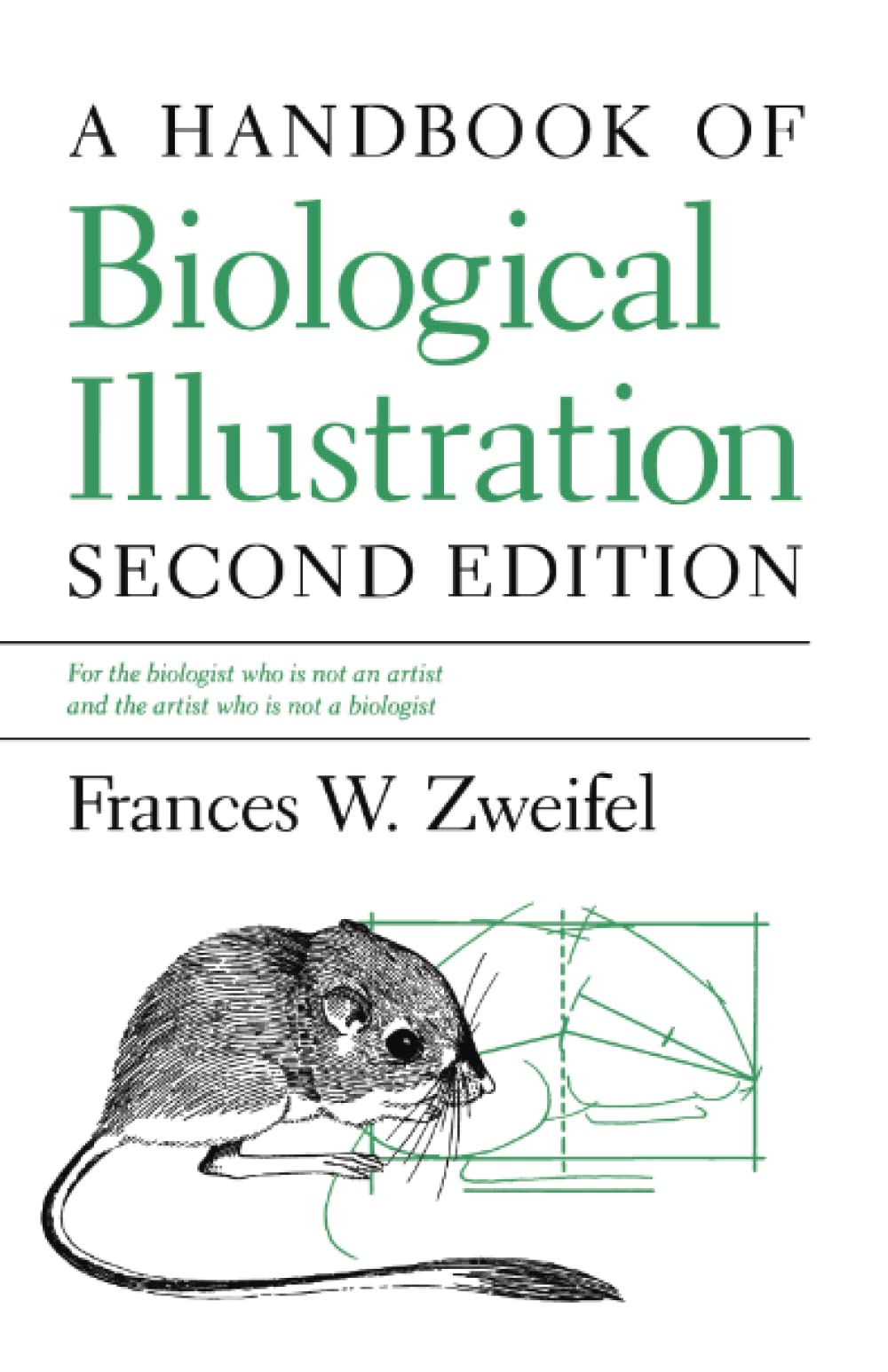
This book is designed to help biologists who must create their own illustrations and artists who are confronted with unfamiliar biological subjects. The author, an experienced biological illustrator, gives practical instructions and advice on the consideration of size and of printing processes, choice of materials, methods for saving time and labor, drawing techniques, lettering methods, and mounting and packing the finished illustrations. She explains how to produce clear and attractive charts, graphs, and maps, so essential to science publications. Though this primer does not cover photographic techniques, it does include advice on retouching, cropping, and mounting photographs and on using photographs of biological subjects as aids in drawing. This second edition is updated to reflect the many technological changes in art materials and printing processes that have occurred since the book's first publication, and it includes an entirely new chapter on planning, designing, and mounting the poster presentations that have become an essential part of conferences held by scientific societies. Also included are the requirements and conventions peculiar to biological illustration and a bibliography of useful reference works.'Every biology student who intends to write a thesis deserves to own this book, as does the biologist who intends to publish or work up some visual aids for his own use. There is no reason to limit the concepts of this handbook to the field of biology; it should be useful to other specific areas of science.'Evan Lindquist, American Biology Teacher (from a review of the first edition)
⚠️ WARNING (California Proposition 65):
This product may contain chemicals known to the State of California to cause cancer, birth defects, or other reproductive harm.
For more information, please visit www.P65Warnings.ca.gov.
- Q: How many pages does this book have? A: This book has one hundred fifty-two pages. It provides comprehensive guidance on biological illustration techniques.
- Q: What is the binding type of this book? A: The binding type is paperback. This makes it lightweight and easy to handle for students and professionals alike.
- Q: What are the dimensions of this book? A: The dimensions are eight point sixteen inches in length, five point fifty-five inches in width, and zero point four inches in height. This size makes it portable and convenient for on-the-go reference.
- Q: Who is the author of this book? A: The author is Frances W. Zweifel. She is an experienced biological illustrator with a focus on practical advice for creating illustrations.
- Q: What category does this book belong to? A: This book belongs to the category of Equipment, Techniques & Reference. It serves as a useful resource for both biologists and artists.
- Q: Is this book suitable for beginners in biological illustration? A: Yes, this book is suitable for beginners. It provides clear instructions and practical advice, making it accessible for those new to the field.
- Q: Can this book help with creating charts and graphs? A: Yes, it includes guidance on producing clear and attractive charts, graphs, and maps essential for scientific publications.
- Q: Is this book useful for scientific presentations? A: Yes, it includes a chapter on planning and designing poster presentations. This is particularly helpful for conferences held by scientific societies.
- Q: How should I care for this book to keep it in good condition? A: To keep it in good condition, store it in a cool, dry place away from direct sunlight. Avoid bending the pages and handle it gently.
- Q: What if the book arrives damaged or defective? A: If the book arrives damaged or defective, you should contact customer support to initiate a return or exchange. They will guide you through the process.
- Q: Does this book include advice on photographic techniques? A: No, this book does not cover photographic techniques. However, it does include advice on retouching and using photographs as drawing aids.
- Q: Is there a bibliography included in this book? A: Yes, a bibliography of useful reference works is included. This can help readers find additional resources on biological illustration.
- Q: What are the key features of this book? A: Key features include practical instructions on illustration techniques, advice on materials, and insights into the printing process.
- Q: Is this book targeted only at biology students? A: No, while aimed at biology students, the concepts are applicable to other fields of science as well.
- Q: What does the second edition of this book include? A: The second edition includes updates reflecting technological changes in art materials and printing processes, along with a new chapter on poster presentations.