If you have any questions, you are always welcome to contact us. We'll get back to you as soon as possible, withing 24 hours on weekdays.
Customer service
All questions about your order, return and delivery must be sent to our customer service team by e-mail at yourstore@yourdomain.com
Sale & Press
If you are interested in selling our products, need more information about our brand or wish to make a collaboration, please contact us at press@yourdomain.com
Help
If you have any questions, you are always welcome to contact us. We'll get back to you as soon as possible, withing 24 hours on weekdays.
Customer service
All questions about your order, return and delivery must be sent to our customer service team by e-mail at yourstore@yourdomain.com
Sale & Press
If you are interested in selling our products, need more information about our brand or wish to make a collaboration, please contact us at press@yourdomain.com
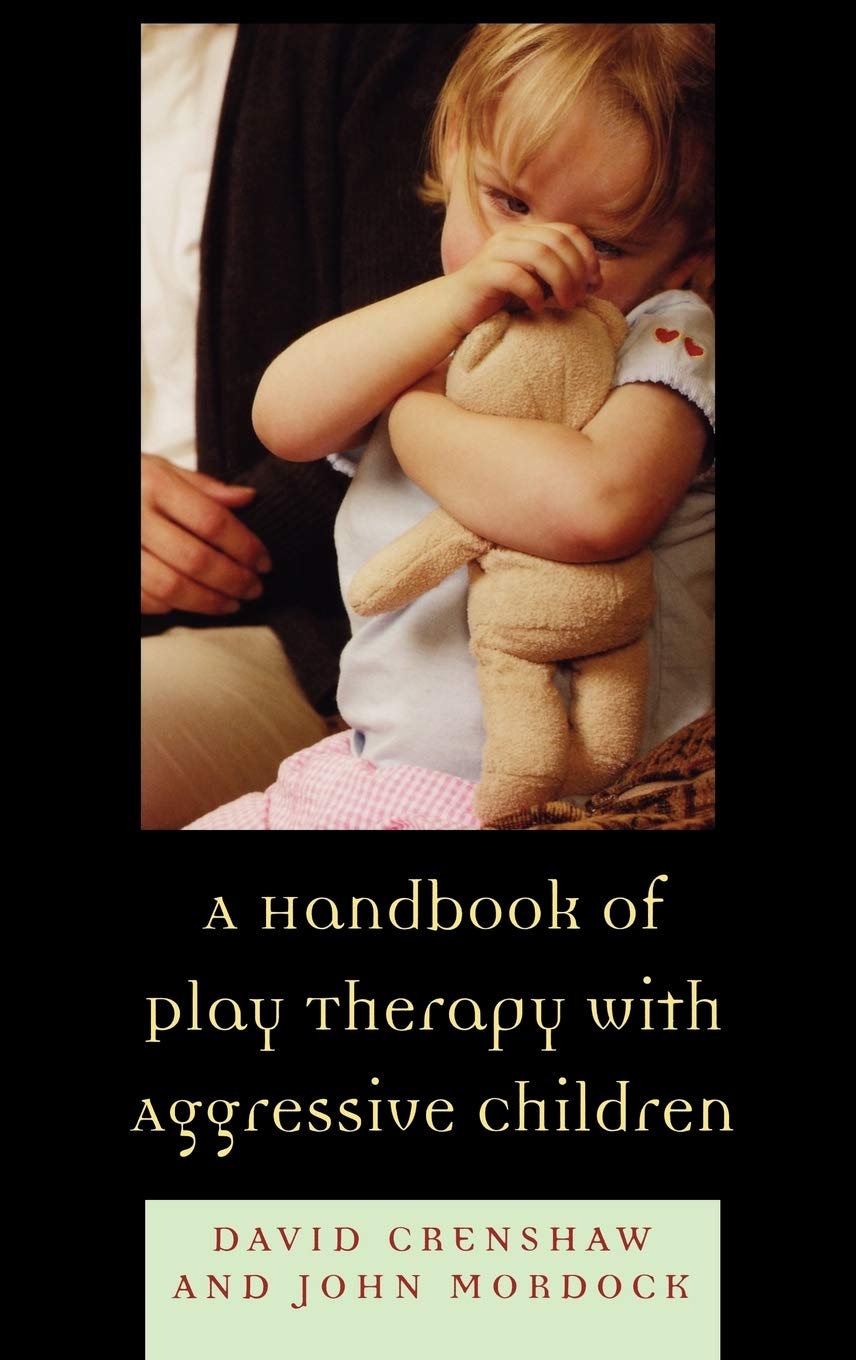
Written by two authors with a combined experience of more than fifty years in the residential treatment of severely aggressiveand often traumatizedchildren, this book has proven invaluable to new as well as seasoned child practitioners. The chapters cover the nuts and bolts of play therapy with this extremely challenging clinical population, including the therapeutic alliance, aims of play therapy with aggressive children, setting limits on destructive and obtrusive behaviors, typical play themes of aggressive children, and developing distancing and displacement through playful action and through teaching, modeling, and structuring action play. Other chapters cover such topics as: how to create more mature defenses and calming strategies; the role of interpretation; the use of spontaneous drawings as a bridge to fantasy play; specific drawing techniques to create access to the inner world of children; how to teach and model prosocial skills and the language of feeling; and how to facilitate affect expression and modulation, contained reenactment of trauma, and children's ability to mourn tangible as well as intangible, unacknowledged and invisible losses. Later chapters cover the therapeutic process and techniques to facilitate termination. The authors introduce the Play Therapy Decision Grid, which is intended to guide the therapist into the levels of therapy best suited for the child at any given point based on the child's resources and the anxiety engendered by the therapy.
⚠️ WARNING (California Proposition 65):
This product may contain chemicals known to the State of California to cause cancer,
birth defects, or other reproductive harm.
For MAP (Minimum Advertised Price) violations and Intellectual Property (IP) or Trademark concerns, please contact:
support@ergodebooks.com
⚠️ California Proposition 65 Warning: Some products sold on this website may expose you to chemicals known to the State of California to cause cancer, birth defects, or other reproductive harm. For more information, visit www.P65Warnings.ca.gov.