
Title
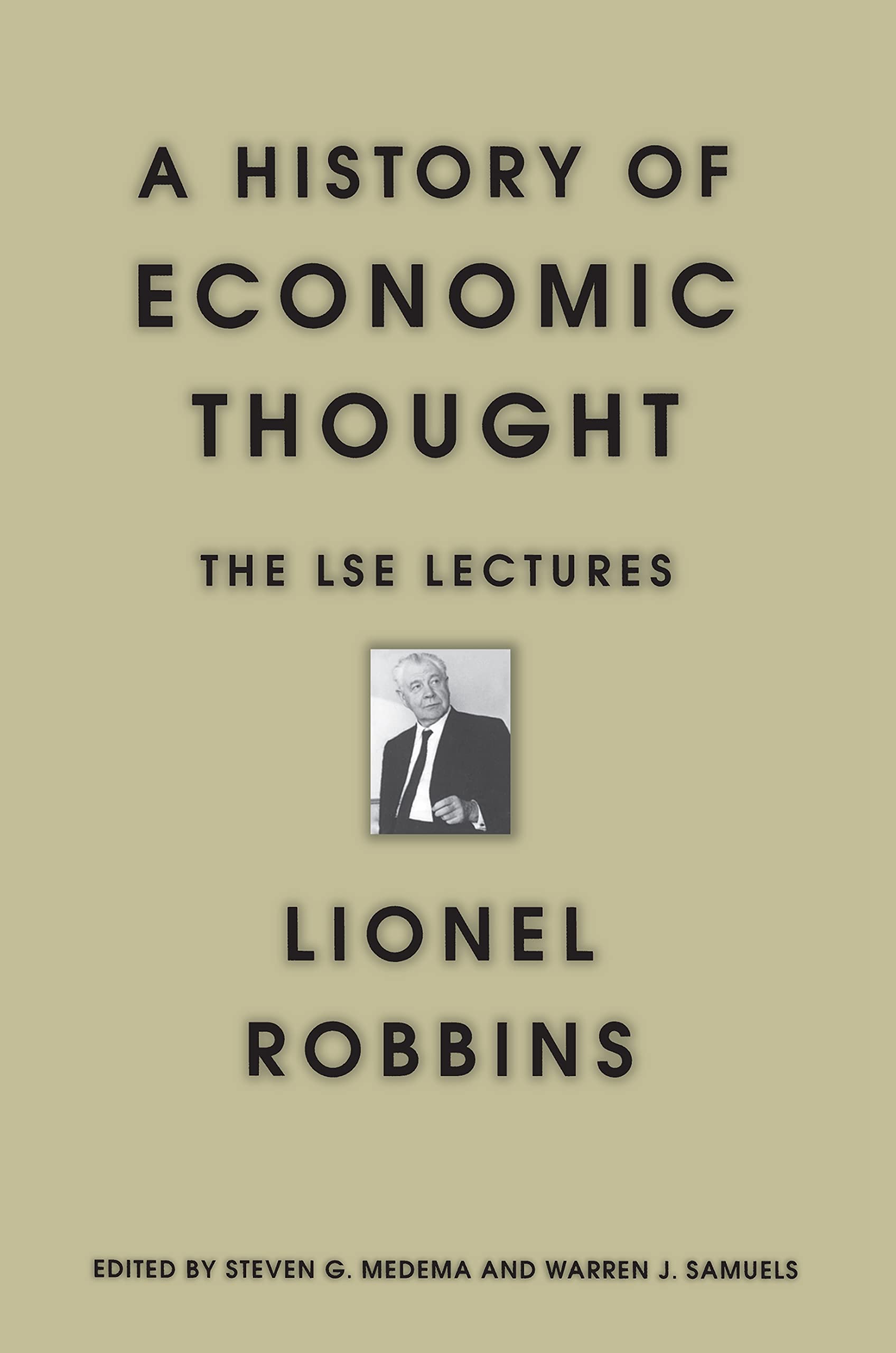
A History Of Economic Thought,Used
Sold by Ergodebooks, an authorized reseller.
Returns accepted within 30 days | support@ergodebooks.com
Shipping Information
- Free Standard Shipping — United States only
- Processing Time: 3–5 business days
- Estimated Delivery: 6–10 business days after dispatch
- Double-boxed, fully insured & discreetly packaged
- Tracking number sent via email once dispatched
Returns & Refund
Returns accepted within 30 days of delivery.
Damaged or Defective Item
Free return shipping + replacement or full refund
Wrong Item Received
Free return shipping + replacement or full refund
Change of Mind
Return shipping at customer's expense · 25% restocking fee applies
Payment Option

Lionel Robbins'S Now Famous Lectures On The History Of Economic Thought Comprise One Of The Greatest Accounts Since World War Ii Of The Evolution Of Economic Ideas. This Volume Represents The First Time Those Lectures Have Been Published.Lord Robbins (18981984) Was A Remarkably Accomplished Thinker, Writer, And Public Figure. He Made Important Contributions To Economic Theory, Methodology, And Policy Analysis, Directed The Economic Section Of Winston Churchill'S War Cabinet, And Served As Chairman Of The Financial Times. As A Historian Of Economic Ideas, He Ranks With Joseph Schumpeter And Jacob Viner As One Of The Foremost Scholars Of The Century. These Lectures, Delivered At The London School Of Economics Between 1979 And 1981 And Taperecorded By Robbins'S Grandson, Display His Mastery Of The Intellectual History Of Economics, His Infectious Enthusiasm For The Subject, And His Eloquence And Incisive Wit. They Cover A Broad Chronological Range, Beginning With Plato, Aristotle, And Aquinas, Focusing Extensively On Adam Smith, Thomas Malthus And The Classicals, And Finishing With A Discussion Of Moderns And Marginalists From Marx To Alfred Marshall. Robbins Takes A Varied And Inclusive Approach To Intellectual History. As He Says In His First Lecture: 'I Shall Go My Own Sweet Waysometimes Talk About Doctrine, Sometimes Talk About Persons, Sometimes Talk About Periods.' The Lectures Are United By Robbins'S Conviction That It Is Impossible To Understand Adequately Contemporary Institutions And Social Sciences Without Understanding The Ideas Behind Their Development.Authoritative Yet Accessible, Combining The Immediacy Of The Spoken Word With Robbins'S Exceptional Talent For Clear, Wellorganized Exposition, This Volume Will Be Welcomed By Anyone Interested In The Intellectual Origins Of The Modern World.
⚠️ WARNING (California Proposition 65):
This product may contain chemicals known to the State of California to cause cancer, birth defects, or other reproductive harm.
For more information, please visit www.P65Warnings.ca.gov.
- Q: How many pages does 'A History of Economic Thought' have? A: This book has three hundred ninety-three pages. It provides an extensive exploration of economic ideas and history.
- Q: What is the binding type of this book? A: The book is bound in hardcover. This durable binding ensures longevity and a classic look on your bookshelf.
- Q: What are the dimensions of 'A History of Economic Thought'? A: The dimensions are six point seven five inches in length, one point two six inches in width, and nine point seven six inches in height. These measurements make it a standard size for hardcover books.
- Q: Who is the author of this book? A: The author is Lionel Robbins. He was a significant figure in economic thought and history.
- Q: What is the main theme of 'A History of Economic Thought'? A: The main theme is the evolution of economic ideas from ancient philosophers to modern economists. It covers a wide range of influential thinkers and their contributions.
- Q: What is the target audience for this book? A: The book is suitable for anyone interested in economic history. It appeals to students, scholars, and general readers alike.
- Q: How do I read 'A History of Economic Thought' effectively? A: To read this book effectively, take notes on key figures and concepts. Engaging with the text will enhance your understanding of economic theories.
- Q: Is this book suitable for beginners? A: Yes, it is suitable for beginners. The author presents complex ideas in an accessible manner, making the content understandable.
- Q: How should I store this hardcover book? A: Store it upright on a shelf to prevent warping. Ensure it's away from direct sunlight to preserve the cover and pages.
- Q: Can I clean the book's cover? A: Yes, you can clean the cover with a damp cloth. Avoid using harsh chemicals that could damage the material.
- Q: What if I receive a damaged copy of the book? A: If you receive a damaged copy, contact the seller for a return or exchange. Most sellers have policies for damaged items.
- Q: What makes this book different from other economic history books? A: This book stands out due to Lionel Robbins' unique insights and chronological approach to economic thought. It integrates personal anecdotes and historical analysis.
- Q: Is 'A History of Economic Thought' a good reference for research? A: Yes, it is an excellent reference for research. The author's authoritative perspective provides valuable context for economic theories.
- Q: What topics are covered in the lectures presented in this book? A: The lectures cover topics from ancient philosophers to modern economists, including Adam Smith, Thomas Malthus, and Karl Marx. This breadth provides a comprehensive overview.
- Q: Is there any specific methodology used in the lectures? A: Yes, Robbins employs a varied approach, discussing doctrines, personalities, and periods. This multi-faceted methodology enriches the understanding of economic ideas.
- Q: Where was this book published? A: The book was published by Princeton University Press. This reputable publisher is known for its scholarly contributions in various fields.