
Title


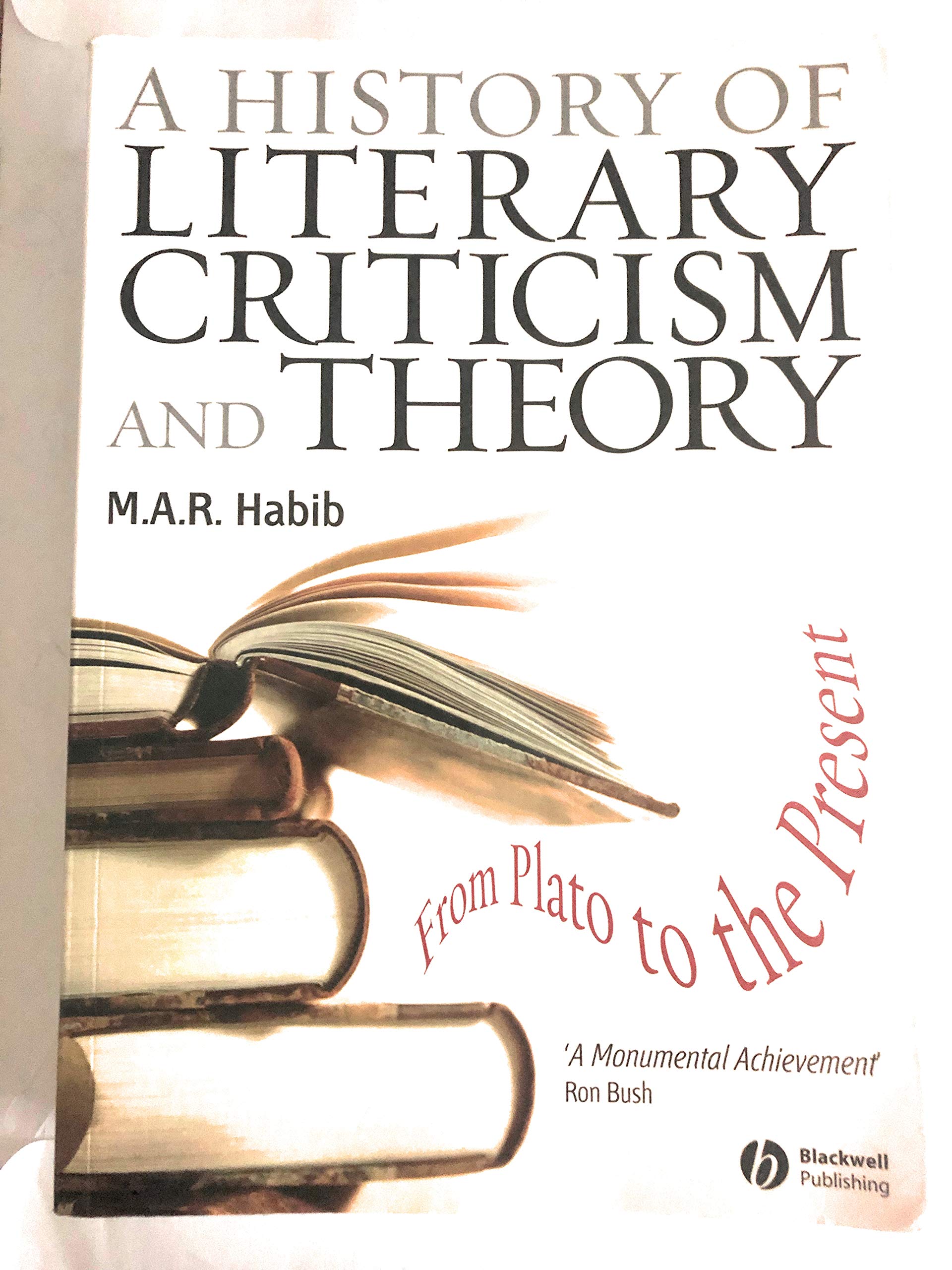
A History Of Literary Criticism: From Plato To The Present
Sold by Ergodebooks, an authorized reseller.
Returns accepted within 30 days | support@ergodebooks.com
Shipping Information
- Free Standard Shipping — United States only
- Processing Time: 3–5 business days
- Estimated Delivery: 6–10 business days after dispatch
- Double-boxed, fully insured & discreetly packaged
- Tracking number sent via email once dispatched
Returns & Refund
Returns accepted within 30 days of delivery.
Damaged or Defective Item
Free return shipping + replacement or full refund
Wrong Item Received
Free return shipping + replacement or full refund
Change of Mind
Return shipping at customer's expense · 25% restocking fee applies
Payment Option

This Comprehensive Guide To The History Of Literary Criticism From Antiquity To The Present Day Provides An Authoritative Overview Of The Major Movements, Figures, And Texts Of Literary Criticism, As Well As Surveying Their Cultural, Historical, And Philosophical Contexts. Supplies The Cultural, Historical And Philosophical Background To The Literary Criticism Of Each Era Enables Students To See The Development Of Literary Criticism In Context Organised Chronologically, From Classical Literary Criticism Through To Deconstruction Considers A Wide Range Of Thinkers And Events From The French Revolution To Freuds Views On Civilization Can Be Used Alongside Any Anthology Of Literary Criticism Or As A Coherent Standalone Introduction
⚠️ WARNING (California Proposition 65):
This product may contain chemicals known to the State of California to cause cancer, birth defects, or other reproductive harm.
For more information, please visit www.P65Warnings.ca.gov.
- Q: How many pages does the book contain? A: The book contains eight hundred forty-eight pages. This extensive length allows for a comprehensive exploration of literary criticism.
- Q: What is the binding type of this book? A: The binding type is paperback. This makes it lightweight and suitable for easy handling.
- Q: What are the dimensions of the book? A: The dimensions are six point eight one inches in length, one point nine inches in width, and nine point seven inches in height. These dimensions make it a standard size for easy shelving.
- Q: Who is the author of this book? A: The author is M. A. R. Habib. He is recognized for his contributions to literary criticism and theory.
- Q: What is the main subject of the book? A: The main subject is the history of literary criticism. It covers significant movements, figures, and texts throughout history.
- Q: How should I use this book for my studies? A: You should use this book as a foundational text for understanding literary criticism. It can be paired with anthologies or studied independently.
- Q: Is this book suitable for beginners in literary studies? A: Yes, it is suitable for beginners. The book provides a chronological overview that contextualizes major movements in literary criticism.
- Q: Can I use this book for advanced literary analysis? A: Yes, this book is also suitable for advanced studies. It offers in-depth insights into critical theories and their historical contexts.
- Q: What type of reader would benefit from this book? A: Students and educators in literary studies would benefit significantly from this book. It serves as both an introduction and a reference guide.
- Q: How should I store this book to maintain its condition? A: You should store this book upright in a cool, dry place. Avoid exposure to direct sunlight to preserve the cover and pages.
- Q: Can this book be cleaned if it gets dirty? A: Yes, it can be gently cleaned. Use a soft, dry cloth to wipe the cover and avoid using water or cleaning solutions.
- Q: What if the book arrives damaged? A: If the book arrives damaged, you should contact the seller for a return or exchange. Most sellers will have a policy in place for such issues.
- Q: Is there a warranty for this book? A: No, books typically do not come with a warranty. However, check the seller's return policy for any guarantees.
- Q: What should I do if I have a question about the content? A: If you have a question about the content, you can consult the index or glossary for quick references. Additionally, consider discussing it with peers or instructors.
- Q: Is this book appropriate for all age groups? A: Yes, this book is appropriate for higher education students and adults. It is an academic text focused on literary criticism.
- Q: How does this book compare to others in literary criticism? A: This book is comprehensive and chronological, making it unique compared to other texts that may focus on specific periods or styles.