
Title
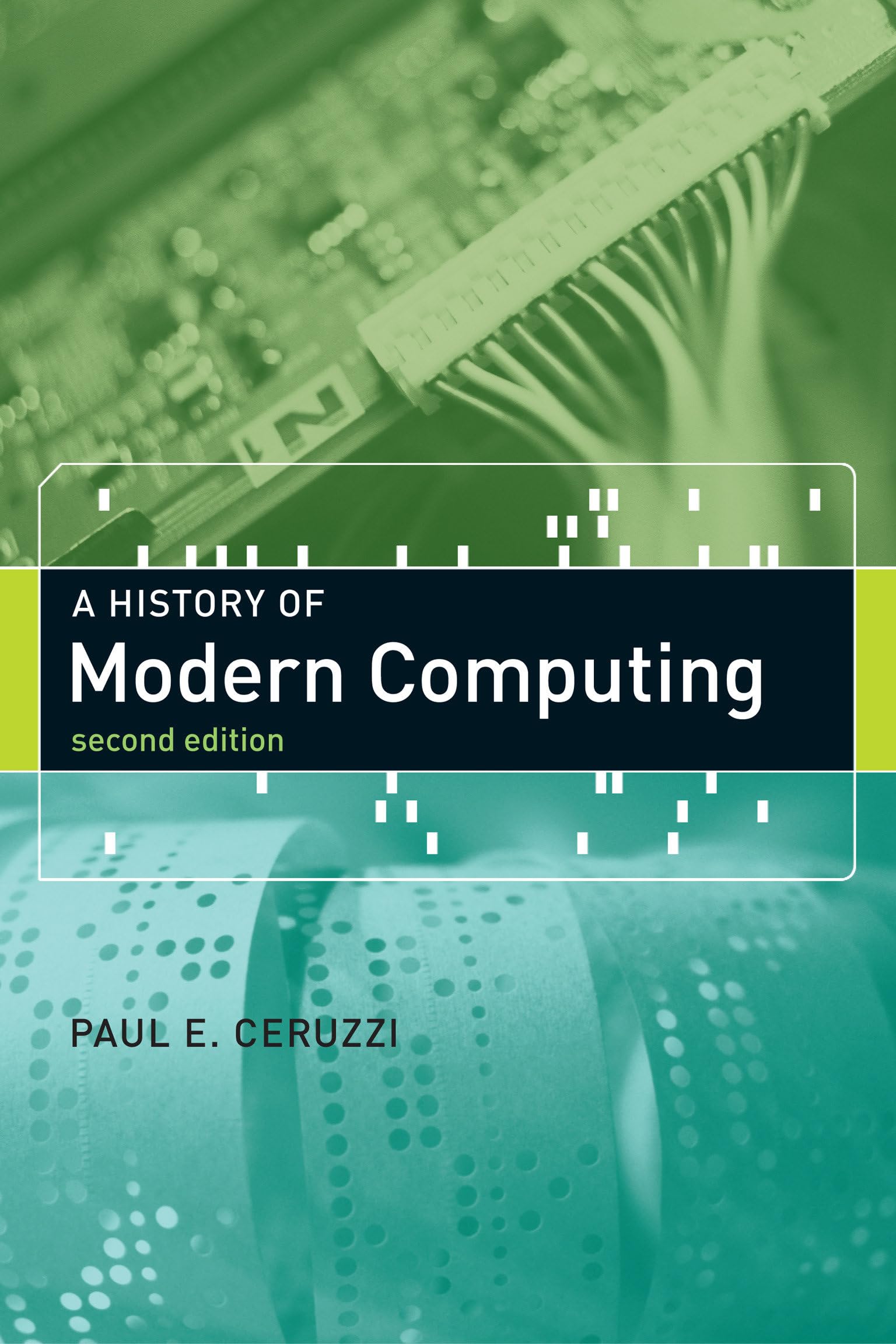
A History Of Modern Computing, Second Edition (History Of Computing),Used
Sold by Ergodebooks, an authorized reseller.
Returns accepted within 30 days | support@ergodebooks.com
Shipping Information
- Free Standard Shipping — United States only
- Processing Time: 3–5 business days
- Estimated Delivery: 6–10 business days after dispatch
- Double-boxed, fully insured & discreetly packaged
- Tracking number sent via email once dispatched
Returns & Refund
Returns accepted within 30 days of delivery.
Damaged or Defective Item
Free return shipping + replacement or full refund
Wrong Item Received
Free return shipping + replacement or full refund
Change of Mind
Return shipping at customer's expense · 25% restocking fee applies
Payment Option

From The First Digital Computer To The Dotcom Crasha Story Of Individuals, Institutions, And The Forces That Led To A Series Of Dramatic Transformations.This Engaging History Covers Modern Computing From The Development Of The First Electronic Digital Computer Through The Dotcom Crash. The Author Concentrates On Five Key Moments Of Transition: The Transformation Of The Computer In The Late 1940S From A Specialized Scientific Instrument To A Commercial Product; The Emergence Of Small Systems In The Late 1960S; The Beginning Of Personal Computing In The 1970S; The Spread Of Networking After 1985; And, In A Chapter Written For This Edition, The Period 19952001. The New Material Focuses On The Microsoft Antitrust Suit, The Rise And Fall Of The Dotcoms, And The Advent Of Open Source Software, Particularly Linux. Within The Chronological Narrative, The Book Traces Several Overlapping Threads: The Evolution Of The Computer'S Internal Design; The Effect Of Economic Trends And The Cold War; The Longterm Role Of Ibm As A Player And As A Target For Upstart Entrepreneurs; The Growth Of Software From A Hidden Element To A Major Character In The Story Of Computing; And The Recurring Issue Of The Place Of Information And Computing In A Democratic Society. The Focus Is On The United States (Though Europe And Japan Enter The Story At Crucial Points), On Computing Per Se Rather Than On Applications Such As Artificial Intelligence, And On Systems That Were Sold Commercially And Installed In Quantities.
⚠️ WARNING (California Proposition 65):
This product may contain chemicals known to the State of California to cause cancer, birth defects, or other reproductive harm.
For more information, please visit www.P65Warnings.ca.gov.
- Q: How many pages does this book have? A: This book has four hundred sixty pages. It provides a comprehensive narrative on the history of modern computing.
- Q: What are the dimensions of this book? A: The dimensions of this book are six inches in length, one point fifteen inches in width, and nine point zero two inches in height.
- Q: What is the binding type of this book? A: This book is available in paperback binding. This makes it flexible and easy to handle.
- Q: How can I use this book effectively? A: You can use this book as a historical reference for modern computing. It is suitable for both casual readers and students in computer science.
- Q: Is this book appropriate for beginners in computer science? A: Yes, this book is appropriate for beginners. It presents complex ideas in an engaging and accessible manner.
- Q: What age group is this book suitable for? A: This book is suitable for readers aged sixteen and above. It addresses topics that require a basic understanding of computing.
- Q: How should I store this book to keep it in good condition? A: Store this book in a cool, dry place. Avoid exposing it to direct sunlight to prevent fading.
- Q: Can this book be cleaned if it gets dirty? A: Yes, you can clean this book with a dry cloth. Avoid using liquids as they may damage the pages.
- Q: Does this book contain any hazardous materials? A: No, this book does not contain hazardous materials. It is safe for general reading.
- Q: How does this book compare to other books on computing history? A: This book provides a unique perspective by focusing on key moments and figures in computing history. It covers both technical and social aspects.
- Q: Is this book suitable for academic use? A: Yes, this book is suitable for academic use. It is well-researched and provides valuable insights into the evolution of computing.
- Q: What makes this book a good choice for a computer science student? A: This book is a good choice for a computer science student because it covers essential historical developments and their impact on the field.
- Q: What do I do if I receive a damaged copy of this book? A: If you receive a damaged copy, contact the seller for a return or exchange. Keep the packaging and take photos of the damage.
- Q: Is there a warranty for this book? A: No, there is no warranty for this book. However, customer service can assist with any issues.
- Q: What if I have questions about the content of this book? A: If you have questions about the content, consider joining online forums or study groups focused on computer science.