
Title
A History of Sheffield,Used
Sold by Ergodebooks, an authorized reseller.
Returns accepted within 30 days | support@ergodebooks.com
Shipping Information
- Free Standard Shipping — United States only
- Processing Time: 3–5 business days
- Estimated Delivery: 6–10 business days after dispatch
- Double-boxed, fully insured & discreetly packaged
- Tracking number sent via email once dispatched
Returns & Refund
Returns accepted within 30 days of delivery.
Damaged or Defective Item
Free return shipping + replacement or full refund
Wrong Item Received
Free return shipping + replacement or full refund
Change of Mind
Return shipping at customer's expense · 25% restocking fee applies
Payment Option

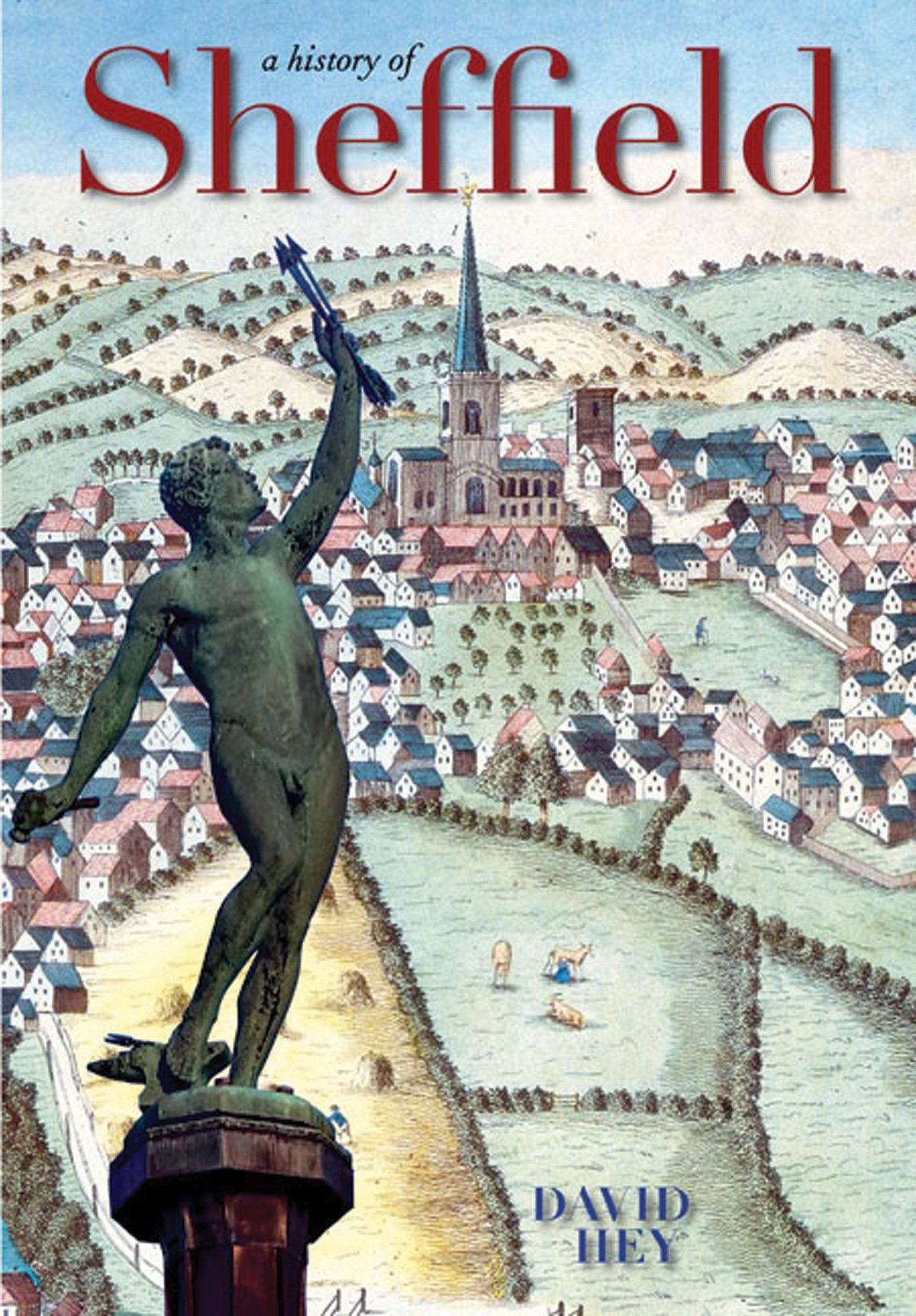
The city of Sheffield has long been synonymous with cutlery and steel, and most previous books have understandably concentrated on the momentous changes which industrialization wrought on the area over the last two hundred years. The figures are astonishing: as early as the seventeenth century three out of every five men in the town worked in one branch or another of the cutlery trades and, in all, Sheffield had a smithy to every 2.2 houses; a hundred years later there were as many as six watermills per mile on rivers such as the Don, Porter and Rivelin, driving a wide range of industrial machinery and processes; local innovations included Old Sheffield Plate, crucible steel and stainless steel; during the midnineteenth century 60 per cent of all British cutlers worked in the Sheffield area, and the region manufactured 90 per cent of British steel, and nearly half the entire European output; small, specialized workshops producing a wide range of goods such as edgetools and cutlery existed side by side with enormous steel factories (it has been estimated that in 1871 Browns and Cammells alone exported to the United States about three times more than the whole American output). Yet, as David Hey shows, the citys history goes back way beyond this. Occupying a commanding position on Wincobank, high above the River Don, are the substantial remains of an Iron Age hillfort, built to defend the local population. Celts, Vikings and AngloSaxons came and left a legacy recalled in many local names. By the twelfth century William de Lovetot had built a castle at the confluence of the Don and the Sheaf, and it is likely that is was he who founded the town of Sheffield alongside his residence. A century later can be found the first reference to a Sheffield cutler, so industry in the area can be said to be at least 700 years old, and no doubt stretches back even further.
⚠️ WARNING (California Proposition 65):
This product may contain chemicals known to the State of California to cause cancer, birth defects, or other reproductive harm.
For more information, please visit www.P65Warnings.ca.gov.