
Title
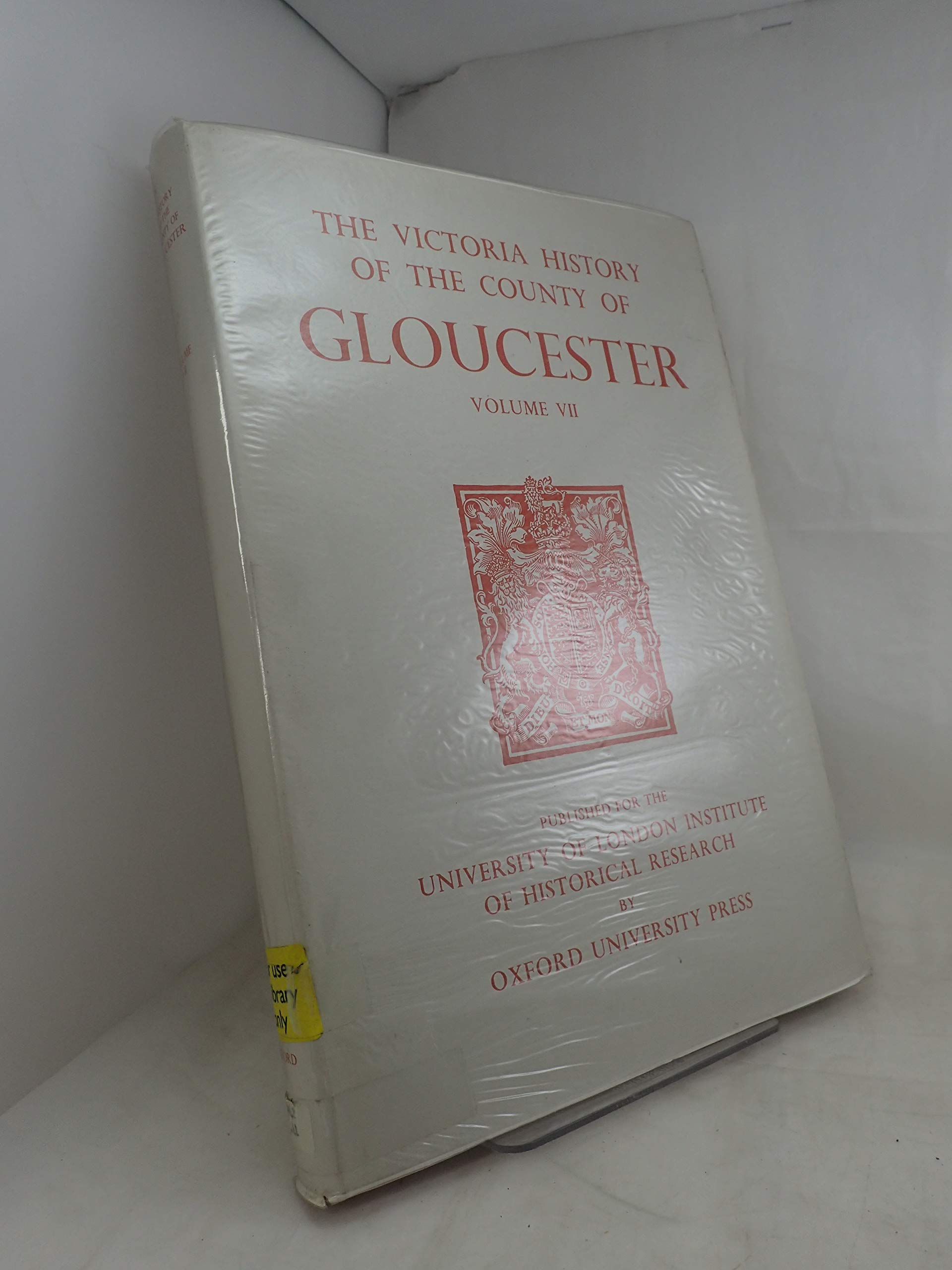
A History Of The County Of Gloucester: Volume Vii: Brightwells Barrow And Rapsgate Hundreds (Victoria County History)
Sold by Ergodebooks, an authorized reseller.
Returns accepted within 30 days | support@ergodebooks.com
Shipping Information
- Free Standard Shipping — United States only
- Processing Time: 3–5 business days
- Estimated Delivery: 6–10 business days after dispatch
- Double-boxed, fully insured & discreetly packaged
- Tracking number sent via email once dispatched
Returns & Refund
Returns accepted within 30 days of delivery.
Damaged or Defective Item
Free return shipping + replacement or full refund
Wrong Item Received
Free return shipping + replacement or full refund
Change of Mind
Return shipping at customer's expense · 25% restocking fee applies
Payment Option

This volume contains the histories of the 22 parishes in the hundreds of Brightwells Barrow and Rapsgate, extending from the Cotswold escarpment above Gloucester to the Thames at Lechlade and including much of the Churn, Coln, andLeach valleys. Although Cranham and Chedworth parishes had extensive ancient beechwoods and Kempsford and Lechlade wide meadows bordering the Thames, most of the area was formerly one of traditional Cotswold agriculture based onlarge open fields and downland sheeppastures. After enclosure large sheepfarms grew turnips and grass leys, but the late 19thcentury depression caused many to be taken in hand and converted to new uses like dairying. Pocketsof industry included clothmills in Bibury and elsewhere, a papermill at Quenington, and potteries at Cranham. The towns of Fairford and Lechlade did not develop industrially, serving mainly as markets and as stages on the Londonroad. At Lechlade goods, particularly cheese, were consigned by river to London. The manors, mainly monastic in the Middle Ages, passed later to families which ranged from aristocrats like the Thynnes and Cravens to local gentrylike the Partridges, Sheppards, and Kebles. In the 19th century new owners from commerce included a Jewish financier, the founder of the Horlicks firm, and Lancashire cottonmanufacturers. Much of the area, particularly the large estates based on Williamstrip Park and Hatherop Castle and the villages along the Churn valley, shows the influence of 19thcentury owners. Less typical parishes include Brimpsfield and Cranham, where early settlement was scattered, and Chedworth, with an influx in the late 17th century and the 18th of independent craftsmen.
⚠️ WARNING (California Proposition 65):
This product may contain chemicals known to the State of California to cause cancer, birth defects, or other reproductive harm.
For more information, please visit www.P65Warnings.ca.gov.