
Title
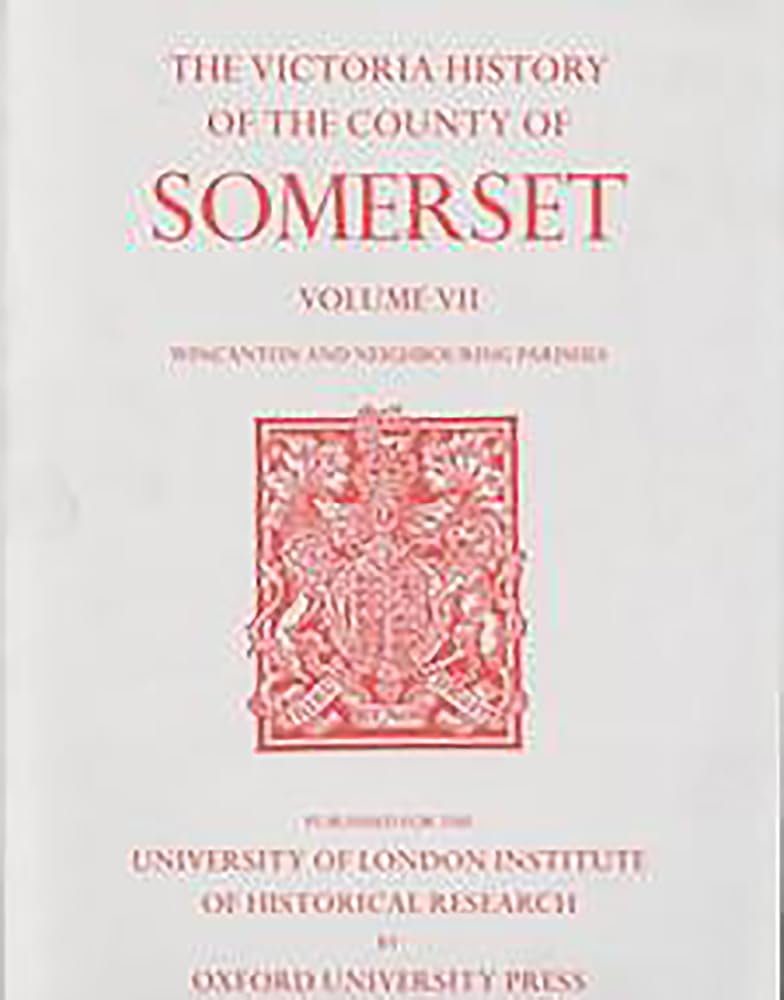
A History Of The County Of Somerset: Volume Vii Burton, Horethorne And Norton Ferris Hundreds (Wincanton And Neighbou (Victoria
Sold by Ergodebooks, an authorized reseller.
Returns accepted within 30 days | support@ergodebooks.com
Shipping Information
- Free Standard Shipping — United States only
- Processing Time: 3–5 business days
- Estimated Delivery: 6–10 business days after dispatch
- Double-boxed, fully insured & discreetly packaged
- Tracking number sent via email once dispatched
Returns & Refund
Returns accepted within 30 days of delivery.
Damaged or Defective Item
Free return shipping + replacement or full refund
Wrong Item Received
Free return shipping + replacement or full refund
Change of Mind
Return shipping at customer's expense · 25% restocking fee applies
Payment Option

THE VOLUME relates the history of the southeast corner of Somerset. The area comprises the outliers of Salisbury Plain on the east and part of a clay vale to the west. It included a natural route followed by the two principal roads from London to Exeter and by the railway. Of the towns, Milborne Port and Wincanton each owed its prosperity to one of those roads. Bruton and Milborne Port were royal urban centres in the late 11th century, both centres of minster parishes. Milborne Port, a borough in 1086, returned members to parliament for some years from 1298; at Wincanton a borough had been created by the mid 14th century. Settlement in nucleated villages was dense in the clay valebut ancient scattered farmsteads were found both south of Wincanton and west of Selwood forest. Quarries in most parishes provided local building stone; millstones from the Upper Greensand at Penselwood were widely distributed inthe 13th and 14th centuries. The area remains chiefly agricultural. Arable farming was at first often in paired open fields, mostly inclosed and consolidated by private agreement before 1800. Acts between 1771 and 1821 inclosed and allotted surviving common meadow and pasture. Dairying, significant by 1600, predominated by 1700. The heart of Selwood forest, still heavily wooded, supported a timber industry in the 18th and 19th centuries. Deer parks preceded two 18th century landscaped parks at Redlynch and Bruton Abbey. Textiles were long made in the countryside as well as in the three towns. Milborne Port, from the 1670s a centre for tanning, was from the early 19th century to the late 20th an important gloving town, employing outworkers in surrounding villages. PARISHES: BLACKFORD, BRATTON SEYMOUR, BREWHAM, BREWHAM LODGE, BRUTON, CHARLTON HORETHORNE, CHARLTON MUSGROVE, NORTH CHERITON, ABBAS AND TEMPLECOMBE, CORTON DENHAM, CUCKLINGTON, EASTRIP, HENSTRIDGE, HOLTON, HORSINGTON, MARSTON MAGNA, MILBORNE PORT, MILTON CLEVEDON, PENSELWOOD, PITCOMBE, RIMPTON, SHEPTON MONTAGUE, STOKE TRISTER, STOWELL, UPTON NOBLE, WINCANTON, YARLINGTON
⚠️ WARNING (California Proposition 65):
This product may contain chemicals known to the State of California to cause cancer, birth defects, or other reproductive harm.
For more information, please visit www.P65Warnings.ca.gov.