
Title
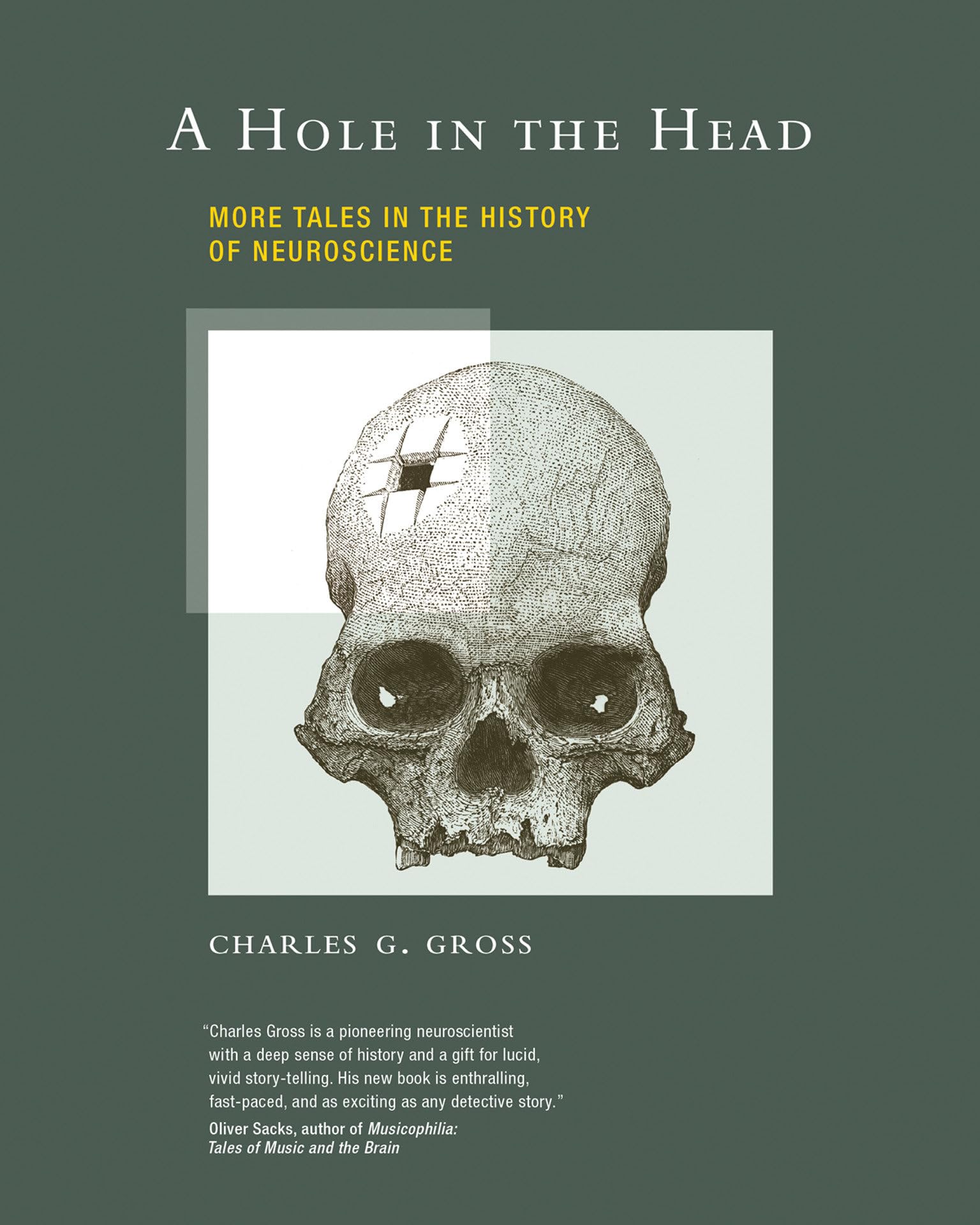
A Hole In The Head: More Tales In The History Of Neuroscience (Mit Press)
Sold by Ergodebooks, an authorized reseller.
Returns accepted within 30 days | support@ergodebooks.com
Shipping Information
- Free Standard Shipping — United States only
- Processing Time: 3–5 business days
- Estimated Delivery: 6–10 business days after dispatch
- Double-boxed, fully insured & discreetly packaged
- Tracking number sent via email once dispatched
Returns & Refund
Returns accepted within 30 days of delivery.
Damaged or Defective Item
Free return shipping + replacement or full refund
Wrong Item Received
Free return shipping + replacement or full refund
Change of Mind
Return shipping at customer's expense · 25% restocking fee applies
Payment Option

Essays On Great Figures And Important Issues, Advances And Blind Alleysfrom Trepanation To The Discovery Of Grandmother Cellsin The History Of Brain Sciences.Neuroscientist Charles Gross Has Been Interested In The History Of His Field Since His Days As An Undergraduate. A Hole In The Head Is The Second Collection Of Essays In Which He Illuminates The Study Of The Brain With Fascinating Episodes From The Past. This Volume'S Tales Range From The History Of Trepanation (Drilling A Hole In The Skull) To Neurosurgery As Painted By Hieronymus Bosch To The Discovery That Bats Navigate Using Echolocation.The Emphasis Is On Blind Alleys And Errors As Well As Triumphs And Discoveries, With Ancient Practices Connected To Recent Developments And Controversies. Gross First Reaches Back Into The Beginnings Of Neuroscience, Then Takes Up The Interaction Of Art And Neuroscience, Exploring, Among Other Things, Rembrandt'S Anatomy Lesson Paintings, And Finally, Examines Discoveries By Scientists Whose Work Was Scorned In Their Own Time But Proven Correct In Later Eras.
⚠️ WARNING (California Proposition 65):
This product may contain chemicals known to the State of California to cause cancer, birth defects, or other reproductive harm.
For more information, please visit www.P65Warnings.ca.gov.
- Q: What is the page count of the book? A: The book contains three hundred sixty-eight pages. This provides ample content to explore the rich history of neuroscience.
- Q: What are the dimensions of this book? A: The dimensions are seven point zero one inches in length, zero point eight three inches in width, and nine point zero two inches in height. These dimensions make it a portable read.
- Q: What type of binding does this book have? A: This book is available in paperback binding. This type of binding is lightweight and flexible, making it easy to handle.
- Q: Is this book suitable for adults only? A: Yes, this book is primarily aimed at adults. It discusses complex topics in neuroscience that may not be suitable for children.
- Q: Who is the author of this book? A: The author is Charles G. Gross, a neuroscientist with a deep interest in the history of brain sciences. His expertise enhances the book's insights.
- Q: What topics does the book cover? A: The book covers various topics, including trepanation, the history of neurosurgery, and the discovery of grandmother cells. It provides a comprehensive look at neuroscience.
- Q: How should I read this book for best understanding? A: Reading this book in a quiet environment will enhance comprehension. Take notes on key points to deepen your understanding of neuroscience history.
- Q: Is this book appropriate for beginners in neuroscience? A: Yes, beginners can enjoy this book. It presents historical tales in an engaging way that builds interest in neuroscience.
- Q: What age group is this book intended for? A: This book is intended for adults and older teens. It deals with complex historical and scientific themes that require mature understanding.
- Q: Can I find this book in libraries? A: Yes, many libraries stock this book due to its academic relevance. Check your local library's catalog for availability.
- Q: How should I store this book? A: Store this book upright on a shelf in a cool, dry place. This will help maintain its condition and prevent damage.
- Q: Does this book require special care? A: No special care is needed, but avoid exposure to extreme temperatures or moisture. This will help preserve the book's integrity.
- Q: What if the book arrives damaged? A: If the book arrives damaged, contact the seller for return or exchange options. Most sellers offer a return policy for damaged items.
- Q: Is there a warranty on this book? A: No, books typically do not come with a warranty. However, check the seller's return policy for details.
- Q: Can I return the book if I change my mind? A: Yes, most retailers allow returns within a specified period. Be sure to check the return policy before purchasing.
- Q: What if I have issues with the reading material? A: If you have issues with the content, consider discussing it with peers or reading supplementary materials for clarity. Engaging in discussions can enhance understanding.