
Title
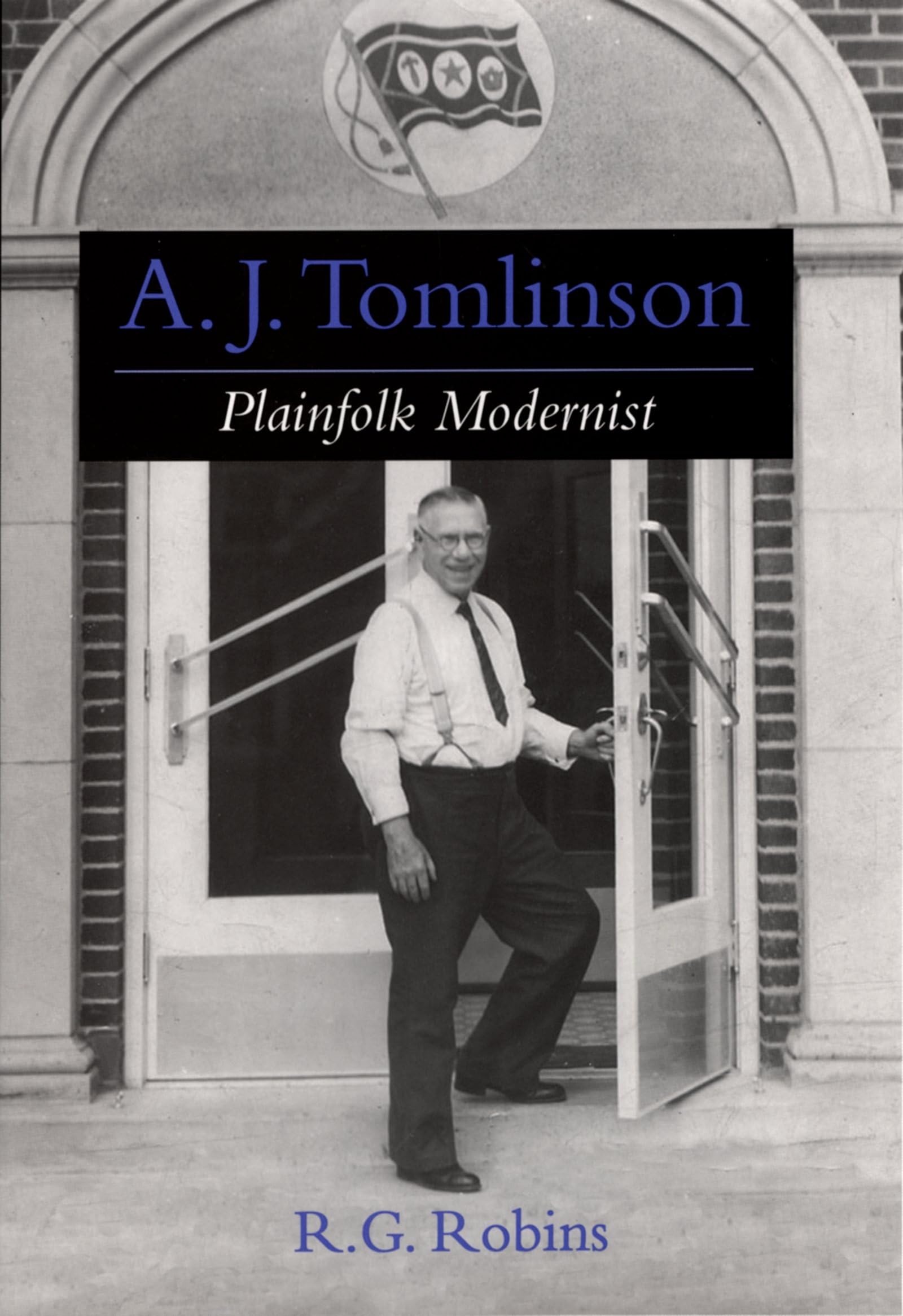
A. J. Tomlinson: Plainfolk Modernist (Religion in America),Used
Sold by Ergodebooks, an authorized reseller.
Returns accepted within 30 days | support@ergodebooks.com
Shipping Information
- Free Standard Shipping — United States only
- Processing Time: 3–5 business days
- Estimated Delivery: 6–10 business days after dispatch
- Double-boxed, fully insured & discreetly packaged
- Tracking number sent via email once dispatched
Returns & Refund
Returns accepted within 30 days of delivery.
Damaged or Defective Item
Free return shipping + replacement or full refund
Wrong Item Received
Free return shipping + replacement or full refund
Change of Mind
Return shipping at customer's expense · 25% restocking fee applies
Payment Option

A.J. Tomlinson (18651943) ranks among the leading figures of the early Pentecostal movement, and like so many of his cohorts, he was as complex as he was colorful. Arriving in Appalachia as a home missionary determined to uplift and evangelize poor mountain whites, he stayed to become the cofounder and chief architect of the Church of God (Cleveland, TN) and the Church of God of Prophecy, which together with their minor offspring now constitute the thirdlargest denominational family within American Pentecostalism. R.G. Robins's biography recreates the world in which Tomlinson operated, and through his story offers a new understanding of the origins of the Pentecostal movement. Scholars have tended to view Pentecostalism as merely one among many antimodernist movements of the early twentieth century. Robins argues that this is a misreading of the movement's originsthe result of projecting the modernist/fundamentalist controversy of the 1920s back onto the earlier religious landscape. Seeking to return the story of Pentecostalism to its proper historical context, Robins suggests that Pentecostalism should rightly be seen as an outgrowth of the radical holiness movement of the late nineteenth century. He argues that, far from being antimodern, Pentecostals tended to embrace modernity. Pentecostal modernism, however, was a working class or "plainfolk" phenomenon, and it is the plainfolk character of the movement that has led so many scholars to mislabel it as antimodern or fundamentalist. Through the compelling narrative of Tomlinson's life story, Robins sheds new light on latenineteenth and earlytwentieth century American religion, and provides a more refined lens through which to view the religious dynamics of our own day. v
⚠️ WARNING (California Proposition 65):
This product may contain chemicals known to the State of California to cause cancer, birth defects, or other reproductive harm.
For more information, please visit www.P65Warnings.ca.gov.