
Title


A Philosophy Of Computer Art
Sold by Ergodebooks, an authorized reseller.
Returns accepted within 30 days | support@ergodebooks.com
Shipping Information
- Free Standard Shipping — United States only
- Processing Time: 3–5 business days
- Estimated Delivery: 6–10 business days after dispatch
- Double-boxed, fully insured & discreetly packaged
- Tracking number sent via email once dispatched
Returns & Refund
Returns accepted within 30 days of delivery.
Damaged or Defective Item
Free return shipping + replacement or full refund
Wrong Item Received
Free return shipping + replacement or full refund
Change of Mind
Return shipping at customer's expense · 25% restocking fee applies
Payment Option

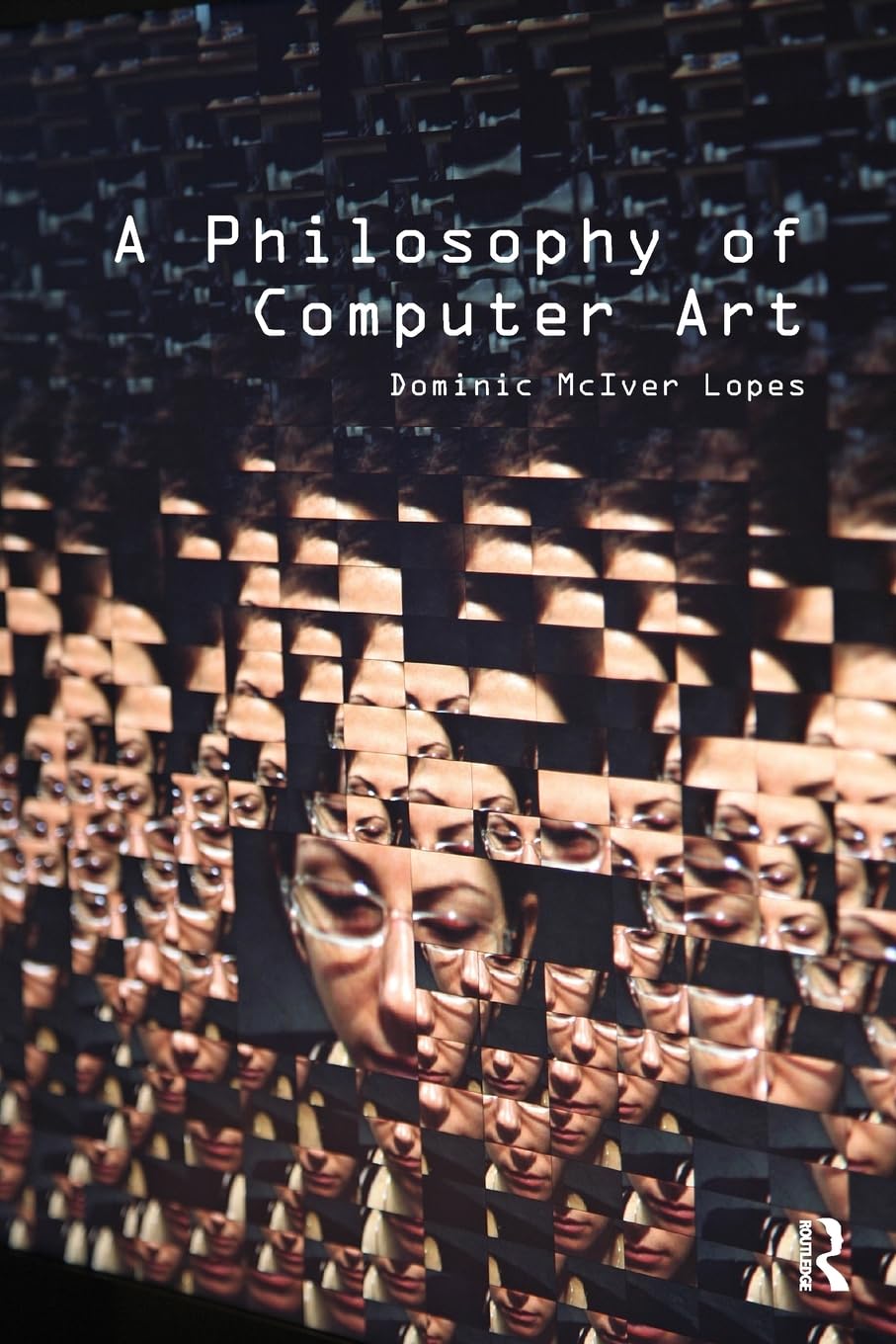
What Is Computer Art? Do The Concepts We Usually Employ To Talk About Art, Such As Meaning, Form Or Expression Apply To Computer Art?A Philosophy Of Computer Art Is The First Book To Explore These Questions. Dominic Lopes Argues That Computer Art Challenges Some Of The Basic Tenets Of Traditional Ways Of Thinking About And Making Art And That To Understand Computer Art We Need To Place Particular Emphasis On Terms Such As Interactivity And User.Drawing On A Wealth Of Examples He Also Explains How The Roles Of The Computer Artist And Computer Art User Distinguishes Them From Makers And Spectators Of Traditional Art Forms And Argues That Computer Art Allows Us To Understand Better The Role Of Technology As An Art Medium.
⚠️ WARNING (California Proposition 65):
This product may contain chemicals known to the State of California to cause cancer, birth defects, or other reproductive harm.
For more information, please visit www.P65Warnings.ca.gov.
- Q: How many pages does 'A Philosophy of Computer Art' have? A: This book contains one hundred sixty pages. It provides an in-depth exploration of computer art and its implications.
- Q: What are the dimensions of this book? A: The dimensions are six point fourteen inches in length, zero point thirty-seven inches in width, and nine point twenty-one inches in height. This makes it a standard size for easy handling.
- Q: What type of binding does this book have? A: This book is bound in paperback. This makes it lightweight and flexible for reading.
- Q: Who is the author of 'A Philosophy of Computer Art'? A: The author is Dominic Lopes. He is recognized for his contributions to the philosophy of art and technology.
- Q: What category does this book belong to? A: This book falls under the category of Criticism. It examines philosophical questions surrounding computer art.
- Q: Is this book suitable for beginners in computer art? A: Yes, this book is suitable for beginners. It introduces key concepts and challenges in understanding computer art.
- Q: Can this book be used in academic settings? A: Yes, it is ideal for academic settings. It offers valuable insights that can be referenced in art and technology discussions.
- Q: What themes are explored in this book? A: The book explores themes such as interactivity, user experience, and the role of technology in art. It challenges traditional art concepts.
- Q: Is this book appropriate for all ages? A: Yes, it is appropriate for all ages. However, it is recommended for readers interested in art and technology.
- Q: How should I store this book to keep it in good condition? A: Store it in a cool, dry place away from direct sunlight. This will help preserve its quality and prevent damage.
- Q: What’s the best way to clean this book? A: To clean this book, gently wipe the cover with a soft, dry cloth. Avoid using water or cleaning solutions.
- Q: What if the book arrives damaged? A: If the book arrives damaged, you should contact customer service for a return or replacement. They will guide you through the process.
- Q: Is there a warranty for this book? A: No, books typically do not come with a warranty. However, return policies may vary by retailer.
- Q: How does this book compare to other art philosophy books? A: This book specifically focuses on computer art, setting it apart from traditional art philosophy texts. It addresses unique challenges posed by digital media.
- Q: Is the writing style of this book accessible? A: Yes, the writing style is accessible for a broad audience. It is designed to engage readers without prior knowledge of philosophy.