
Title
A Place We Call Home: Gender, Race, And Justice In Syracuse (Syracuse Studies On Peace And Conflict Resolution),Used
Sold by Ergodebooks, an authorized reseller.
Returns accepted within 30 days | support@ergodebooks.com
Shipping Information
- Free Standard Shipping — United States only
- Processing Time: 3–5 business days
- Estimated Delivery: 6–10 business days after dispatch
- Double-boxed, fully insured & discreetly packaged
- Tracking number sent via email once dispatched
Returns & Refund
Returns accepted within 30 days of delivery.
Damaged or Defective Item
Free return shipping + replacement or full refund
Wrong Item Received
Free return shipping + replacement or full refund
Change of Mind
Return shipping at customer's expense · 25% restocking fee applies
Payment Option

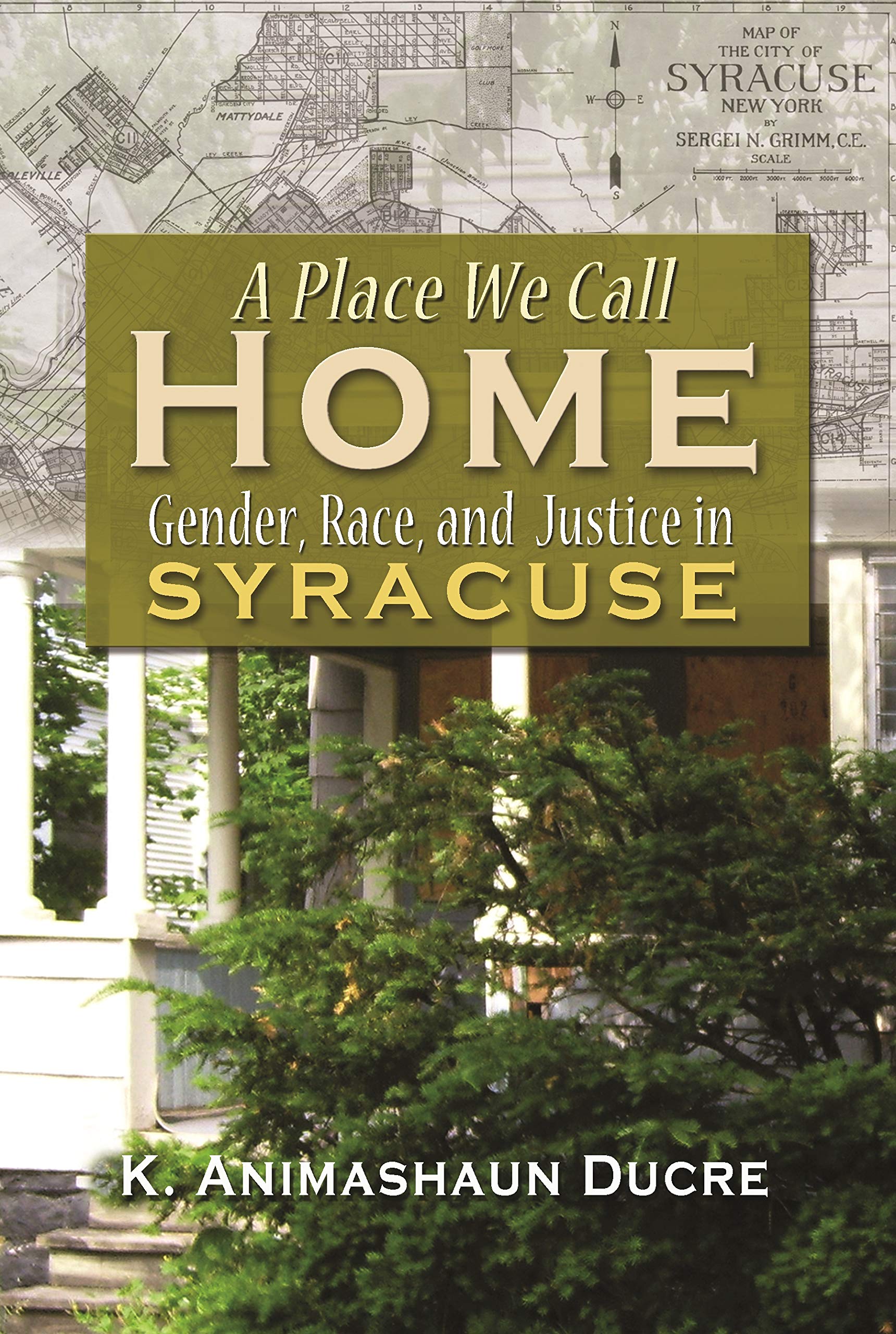
Faith holds up a photo of the boardedup, vacant house: 'Its the first thing I see. And I just call it the Homeless House cause its the house that nobody fixes up.' Faith is one of fourteen women living on Syracuses Southside, a predominantly AfricanAmerican and lowincome area, who took photographs of their environment and displayed their images to facilitate dialogues about how they viewed their community. A Place We Call Home chronicles this photography project and bears witness not only to the environmental injustice experienced by these women but also to the ways in which they maintain dignity and restore order in a community where they have traditionally had little control. To understand the present plight of these women, one must understand the historical and political context in which certain urban neighborhoods were formed: Black migration, urban renewal, white flight, capital expansion, and then bust. Ducre demonstrates how such political and economic forces created a landscape of abandoned housing within the Southside community. She spotlights the impact of this blight upon the female residents who survive in this crucible of neglect. A Place We Call Home is the first case study of the intersection of Black feminism and environmental justice, and it is also the first booklength presentation using Photovoice methodology, an innovative research and empowerment strategy that assesses community needs by utilizing photographic images taken by individuals. The individuals have historically lacked power and status in formal planning processes. Through a cogent combination of words and images, this book illuminates how these women manage their daily survival in degraded environments, the tools that they deploy to do so, and how they act as agents of change to transform their communities.
⚠️ WARNING (California Proposition 65):
This product may contain chemicals known to the State of California to cause cancer, birth defects, or other reproductive harm.
For more information, please visit www.P65Warnings.ca.gov.