
Title
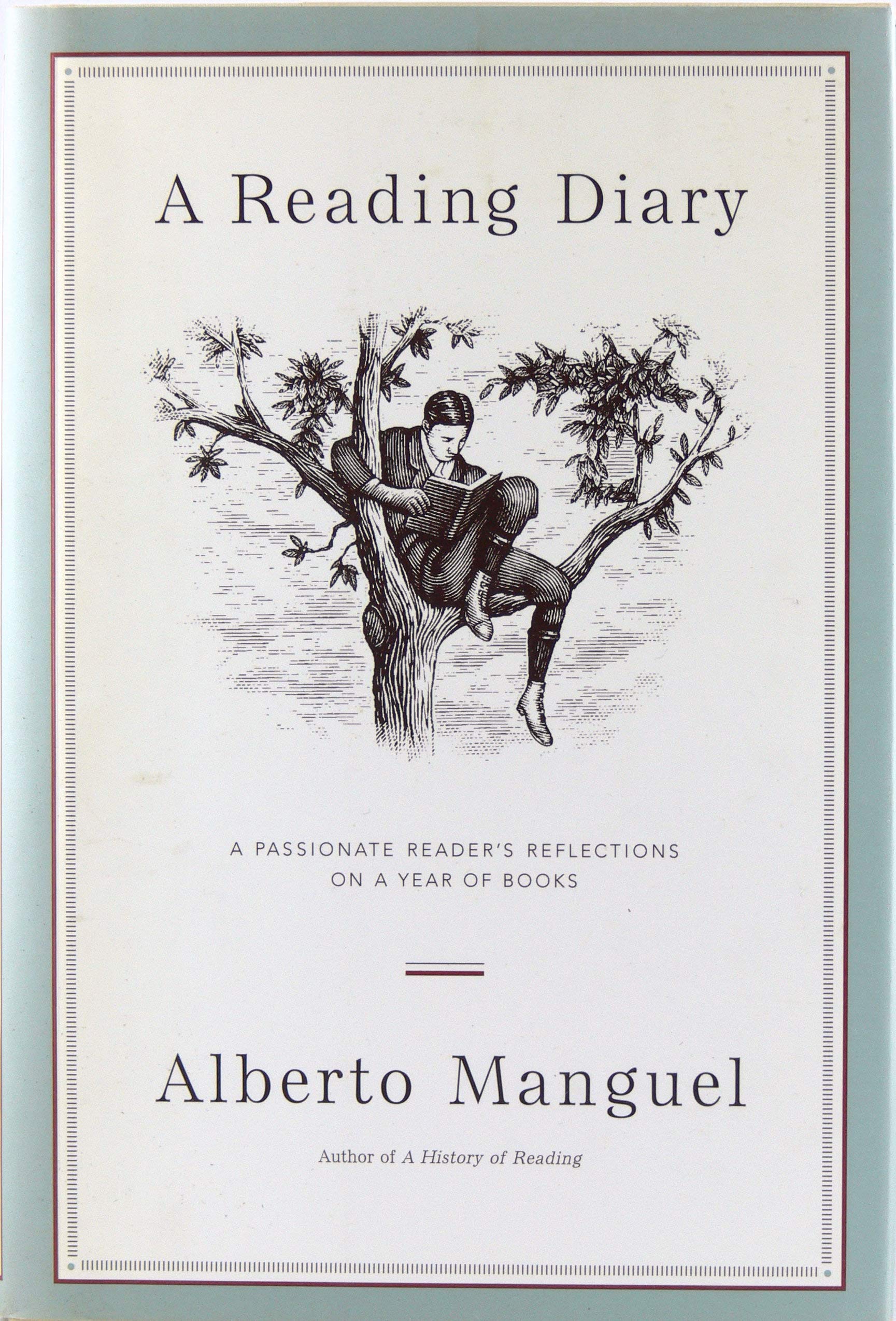
A Reading Diary: A Passionate Readers Reflections On A Year Of Books-new
Sold by Ergodebooks, an authorized reseller.
Returns accepted within 30 days | support@ergodebooks.com
Shipping Information
- Free Standard Shipping — United States only
- Processing Time: 3–5 business days
- Estimated Delivery: 6–10 business days after dispatch
- Double-boxed, fully insured & discreetly packaged
- Tracking number sent via email once dispatched
Returns & Refund
Returns accepted within 30 days of delivery.
Damaged or Defective Item
Free return shipping + replacement or full refund
Wrong Item Received
Free return shipping + replacement or full refund
Change of Mind
Return shipping at customer's expense · 25% restocking fee applies
Payment Option

While Traveling In Calgary, Alberto Manguel Was Struck By How The Novel He Was Reading (Goethes Elective Affinities) Seemed To Reflect The Social Chaos Of The World He Was Living In. An Article In The Daily Paper Would Be Suddenly Illuminated By A Passage In The Novel; A Long Reflection Would Be Prompted By A Single Word. He Decided To Keep A Record Of These Moments, Rereading A Book A Month, And Forming A Reading Diary: A Volume Of Notes, Reflections, Impressions Of Travel, Of Friends, Of Events Public And Private, All Ellicited By His Reading.From Don Quixote (August) To The Island Of Dr. Moreau (February) To Kim (April), Manguel Leads Us On An Enthralling Adventure In Literature And Life, And Demonstrates How, For The Passionate Reader, One Is Utterly Inextricable From The Other.
⚠️ WARNING (California Proposition 65):
This product may contain chemicals known to the State of California to cause cancer, birth defects, or other reproductive harm.
For more information, please visit www.P65Warnings.ca.gov.
- Q: How many pages does A Reading Diary have? A: This book contains two hundred twenty-four pages. It offers a collection of reflections and impressions inspired by various literary works.
- Q: What is the binding type of A Reading Diary? A: The book is bound in hardcover. This durable binding helps protect the pages and enhances its longevity.
- Q: What are the dimensions of A Reading Diary? A: The dimensions of the book are five point five one inches by eight point two seven inches by zero point seven five inches. This size makes it portable for reading on the go.
- Q: What is the recommended age for readers of A Reading Diary? A: This book is suitable for adult readers. It engages with complex themes and literary reflections that resonate with mature audiences.
- Q: How should I read A Reading Diary? A: You can read this book at your own pace, ideally one entry at a time. It encourages reflection on each reading experience, making it perfect for journaling.
- Q: Is A Reading Diary suitable for book clubs? A: Yes, this book is great for book clubs. Its reflective nature provides rich discussion points about literature and personal experiences.
- Q: How should I store A Reading Diary to keep it in good condition? A: Store the book in a cool, dry place away from direct sunlight. This will help preserve the cover and prevent fading of the pages.
- Q: Can I clean A Reading Diary if it gets dirty? A: Yes, you can clean the cover with a dry cloth. Avoid using water or cleaners, as they may damage the book.
- Q: What themes does A Reading Diary explore? A: This book explores themes of literature, reflection, and personal growth. It connects reading experiences to real-life events and emotions.
- Q: How does A Reading Diary compare to other literary journals? A: Unlike traditional literary journals, A Reading Diary combines personal reflections with a narrative style. It offers unique insights into the impact of reading on life.
- Q: Is A Reading Diary a good gift for book lovers? A: Yes, it makes an excellent gift for passionate readers. Its reflective nature and exploration of literature resonate well with those who love to read.
- Q: What type of writing style is used in A Reading Diary? A: The writing style is reflective and narrative. Alberto Manguel shares personal anecdotes that draw connections between literature and life.
- Q: What genres does A Reading Diary cover? A: The book covers various genres as it reflects on multiple literary works. It includes classic novels and a range of themes.
- Q: What is the purpose of A Reading Diary? A: The purpose is to document and reflect on the impact of reading. It aims to enhance the reader's experience by connecting literature to personal insights.
- Q: Are there illustrations or images in A Reading Diary? A: No, A Reading Diary does not contain illustrations. It focuses entirely on text, emphasizing reflections and literary discussions.