
Title
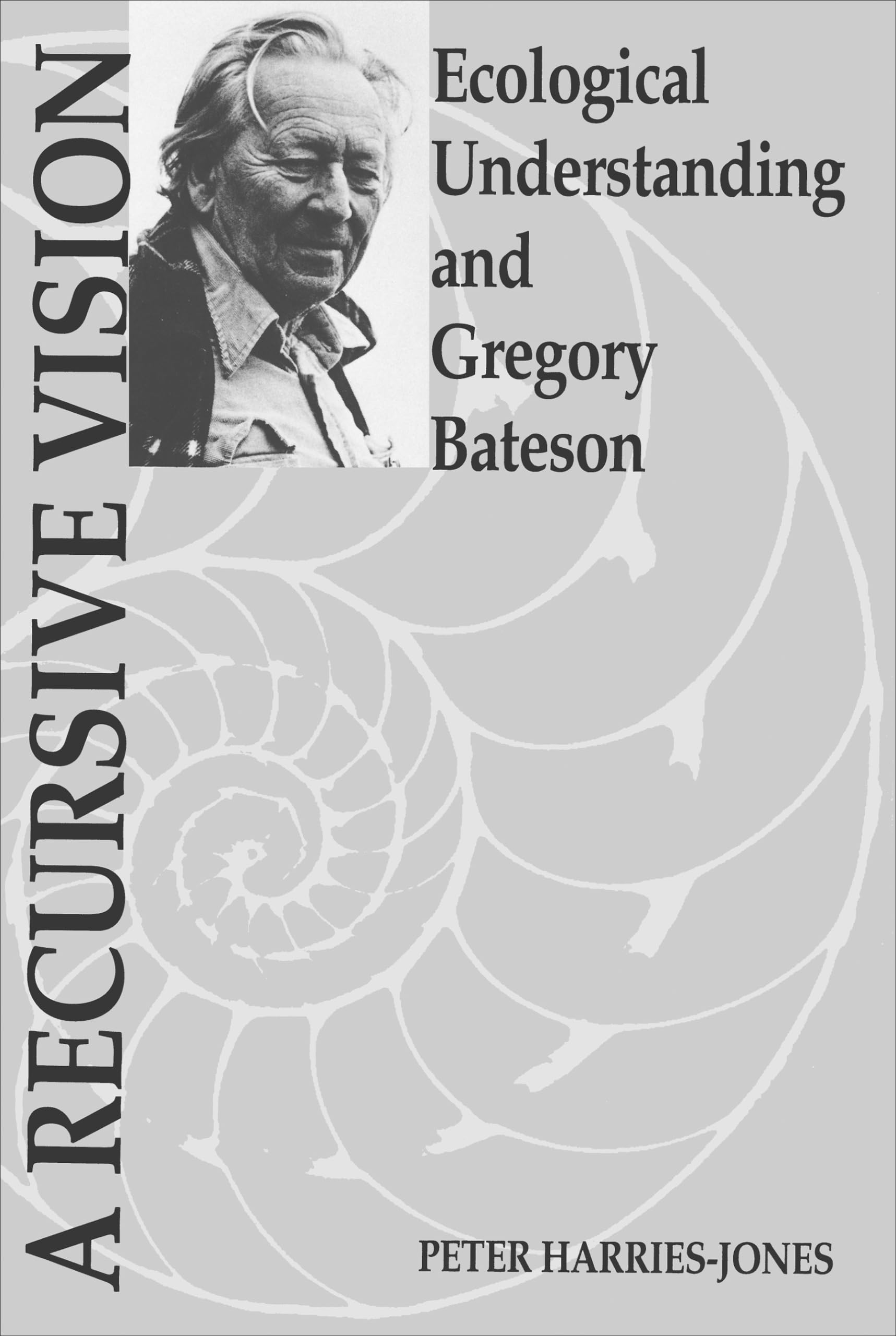
A Recursive Vision: Ecological Understanding And Gregory Bateson,New
Sold by Ergodebooks, an authorized reseller.
Returns accepted within 30 days | support@ergodebooks.com
Shipping Information
- Free Standard Shipping — United States only
- Processing Time: 3–5 business days
- Estimated Delivery: 6–10 business days after dispatch
- Double-boxed, fully insured & discreetly packaged
- Tracking number sent via email once dispatched
Returns & Refund
Returns accepted within 30 days of delivery.
Damaged or Defective Item
Free return shipping + replacement or full refund
Wrong Item Received
Free return shipping + replacement or full refund
Change of Mind
Return shipping at customer's expense · 25% restocking fee applies
Payment Option

Gregory Bateson was one of the most original social scientists of this century. He is widely known as author of key ideas used in family therapy including the wellknown condition called 'double bind' . He was also one of the most influential figures in cultural anthropology. In the decade before his death in 1980 Bateson turned toward a consideration of ecology. Standard ecology concentrates on an ecosystem's biomass and on energy budgets supporting life. Bateson came to the conclusion that understanding ecological organization requires a complete switch in scientific perspective. He reasoned that ecological phenomena must be explained primarily through patterns of information and that only through perceiving these informational patterns will we uncover the elusive unity, or integration, of ecosystems.Bateson believed that relying upon the materialist framework of knowledge dominant in ecological science will deepen errors of interpretation and, in the end, promote ecocrisis. He saw recursive patterns of communication as the basis of order in both natural and human domains. He conducted his investigation first in smallscale social settings; then among octopus, otters, and dolphins. Later he took these investigations to the broader setting of evolutionary analysis and developed a framework of thinking he called 'an ecology of mind.' Finally, his inquiry included an ecology of mind in ecological settings a recursive epistemology.This is the first study of the whole range of Bateson's ecological thought a comprehensive presentaionof Bateson's matrix of ideas. Drawing on unpublished letters and papers, HarriesJones clarifies themes scattered throughout Bateson's own writings, revealing the conceptual consistency inherent in Bateson's position, and elaborating ways in which he pioneered aspects of late twentiethcentury thought.
⚠️ WARNING (California Proposition 65):
This product may contain chemicals known to the State of California to cause cancer, birth defects, or other reproductive harm.
For more information, please visit www.P65Warnings.ca.gov.