
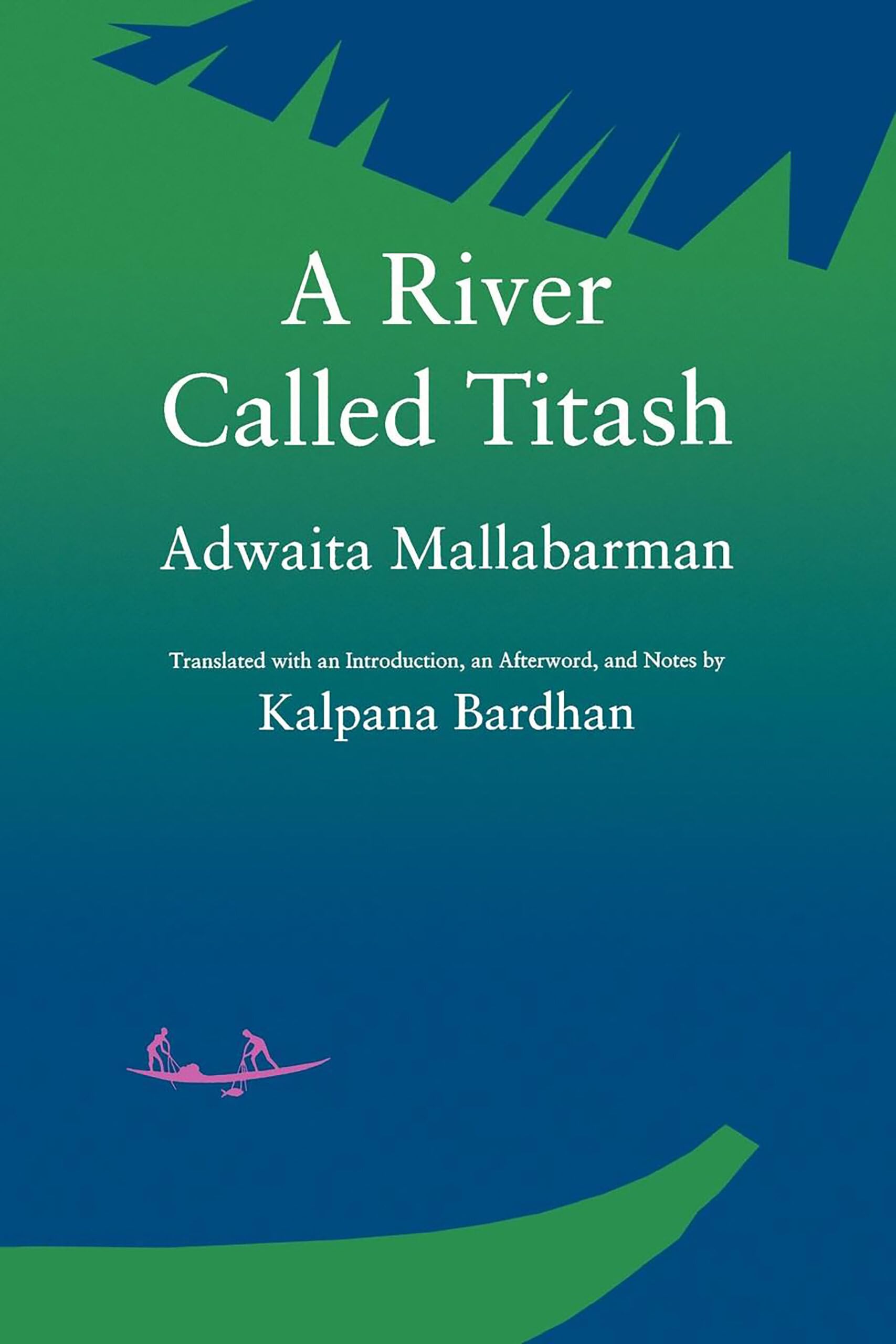
Title
A River Called Titash (Voices From Asia) (Volume 7),Used
Sold by Ergodebooks, an authorized reseller.
Returns accepted within 30 days | support@ergodebooks.com
Shipping Information
- Free Standard Shipping — United States only
- Processing Time: 3–5 business days
- Estimated Delivery: 6–10 business days after dispatch
- Double-boxed, fully insured & discreetly packaged
- Tracking number sent via email once dispatched
Returns & Refund
Returns accepted within 30 days of delivery.
Damaged or Defective Item
Free return shipping + replacement or full refund
Wrong Item Received
Free return shipping + replacement or full refund
Change of Mind
Return shipping at customer's expense · 25% restocking fee applies
Payment Option

Originally Published In 1956, A River Called Titash Is Among The Most Highly Acclaimed Novels In Bengali Literature. A Unique Combination Of Folk Poetry And Ethnography, Adwaita Mallabarman'S Tale Of A Malo Fishing Village At The Turn Of The Century Captures The Songs, Speech, Rituals, And Rhythms Of A Once Selfsufficient Community And Culture Swept Away By Natural Catastrophe, Modernization, And Political Conflict.Both Historical Document And Work Of Art, This Lyrical Novel Provides An Intimate View Of A Community Of Hindu Fishers And Muslim Peasants, Coexisting Peacefully Before The Violent Partition Of Bengal Between India And East Pakistan (Now Bangladesh). Mallabarman'S Story Documents A Way Of Life That Has All But Disappeared.
⚠️ WARNING (California Proposition 65):
This product may contain chemicals known to the State of California to cause cancer, birth defects, or other reproductive harm.
For more information, please visit www.P65Warnings.ca.gov.
- Q: How many pages does the book have? A: The book has two hundred ninety-two pages. This length provides a comprehensive exploration of its themes and characters.
- Q: What is the binding type of the book? A: The book is available in paperback binding. This makes it lightweight and easy to handle.
- Q: What are the dimensions of the book? A: The book measures five point nine two inches in length, zero point seven five inches in width, and eight point nine inches in height. These dimensions make it a convenient size for reading.
- Q: Who is the author of 'A River Called Titash'? A: The author is Adwaita Mallabarman. He is noted for his contributions to Bengali literature.
- Q: What genre does this book belong to? A: It falls under the category of Criticism and Theory. This genre allows for deep analysis of cultural themes.
- Q: Is this book suitable for young readers? A: It is generally suitable for older teens and adults. The themes of historical conflict and cultural change may be complex for younger readers.
- Q: How do I read this book? A: You can read this book like any other novel, starting from the first page. It's structured to be engaging and flows through the story of a fishing village.
- Q: What themes are explored in this book? A: The book explores themes of community, cultural identity, and the impact of modernization. These themes are woven into the narrative of a fishing village.
- Q: Can I use this book for academic purposes? A: Yes, it can be used for academic studies. Its historical context and literary significance make it a valuable resource for research.
- Q: Is there a recommended way to store this book? A: Store the book in a cool, dry place away from direct sunlight. This will help preserve its condition over time.
- Q: How do I care for the book? A: To care for the book, handle it gently and avoid bending the spine. Keeping it in a protective cover can also help maintain its quality.
- Q: What if I receive a damaged copy? A: If you receive a damaged copy, you should contact the retailer for a return or exchange. Most retailers have policies in place for such issues.
- Q: Is this book available in other formats? A: Currently, it is only available in paperback format. There are no known editions in hardcover or digital formats.
- Q: What is the target audience for this book? A: The target audience includes readers interested in Bengali literature and cultural studies. It's ideal for those who appreciate historical narratives.
- Q: Will this book provide a historical perspective? A: Yes, it offers a historical perspective on the cultural changes in a Bengali fishing village. The narrative reflects on significant social transformations.