
Title
A Sense for the Other: The Timeliness and Relevance of Anthropology (Mestizo Spaces / Espaces Mtisss),Used
Sold by Ergodebooks, an authorized reseller.
Returns accepted within 30 days | support@ergodebooks.com
Shipping Information
- Free Standard Shipping — United States only
- Processing Time: 3–5 business days
- Estimated Delivery: 6–10 business days after dispatch
- Double-boxed, fully insured & discreetly packaged
- Tracking number sent via email once dispatched
Returns & Refund
Returns accepted within 30 days of delivery.
Damaged or Defective Item
Free return shipping + replacement or full refund
Wrong Item Received
Free return shipping + replacement or full refund
Change of Mind
Return shipping at customer's expense · 25% restocking fee applies
Payment Option

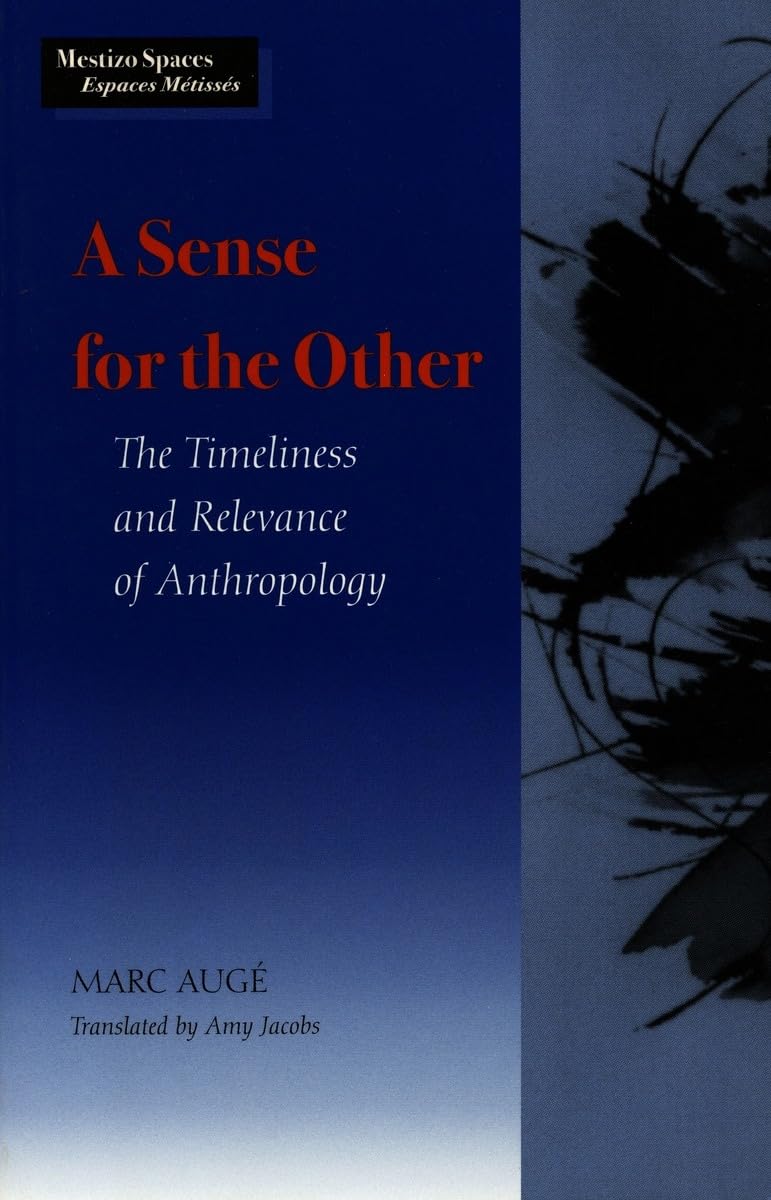
If the end of exoticism is one of the characteristics of our time, and if classical anthropology based its study of alterity on this exotic distance from the other, is anthropology still possible, and if so, to what end? The author uses these questions as a point of departure for a probing interrogation of ethnological practice, starting with LviStrauss.For several years, the author has advocated an anthropology of proximity in place of the usual anthropology of distance. He has studied such emblematic places of Western modernity as the Parisian Metro, or such emblematic nonplaces as airports or freeways, treating as valid anthropological objects phenomena that others might judge less pure or significant than systems of filiation or matrimonial alliance. The proper place of the ethnographer, he argues, is sufficiently distanced to comprehend a system as a system, yet participatory enough to live it as an individual. How can one best arrive at such a place?This book answers by outlining an approach to anthropology that focuses on negotiating the social meanings we and others use in making sense of the world, and on the processes of identification that create the difference between same and other. Why trace a line of demarcation between societies thought to warrant and require anthropological observation and others (namely, our own) thought to demand a different type of study? Once anthropology, through its study of rites, takes social meaning as its principal object, the necessity for a generalized anthropology that includes the entire planet seems obvious, especially in view of the rapid proliferation of new networks of communication and the integration of individuals into those networks.
⚠️ WARNING (California Proposition 65):
This product may contain chemicals known to the State of California to cause cancer, birth defects, or other reproductive harm.
For more information, please visit www.P65Warnings.ca.gov.