
Title
A Tale Blazed Through Heaven: Imitation and Invention in the Golden Age of Spain (Oxford Modern Languages and Literature Monogra,Used
Sold by Ergodebooks, an authorized reseller.
Returns accepted within 30 days | support@ergodebooks.com
Shipping Information
- Free Standard Shipping — United States only
- Processing Time: 3–5 business days
- Estimated Delivery: 6–10 business days after dispatch
- Double-boxed, fully insured & discreetly packaged
- Tracking number sent via email once dispatched
Returns & Refund
Returns accepted within 30 days of delivery.
Damaged or Defective Item
Free return shipping + replacement or full refund
Wrong Item Received
Free return shipping + replacement or full refund
Change of Mind
Return shipping at customer's expense · 25% restocking fee applies
Payment Option

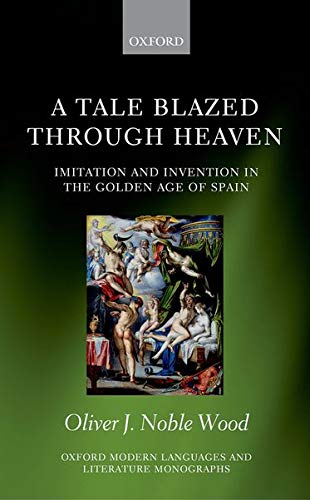
A Tale Blazed Through Heaven examines developments in the representation of the classical tale of Mars, Venus, and Vulcan in the literature and painting of the Golden Age of Spain (c.15261681). Anchored in close analysis of individual primary texts, the five chapters that comprise this study assess how poets and painters breathed new life into the tale inherited from Homer, Ovid, and others, examining some of the ways in which the story of Mars, Venus, and Vulcan was disguised, developed, expanded, mocked, combined with or played off against different subjects, or otherwise modified in order to pique the interest of successive generations of readers and viewers. Each chapter discusses what particular changes and shifts in emphasis reveal about the tale itself, specific renderings, the aims and intentions of individual poets and painters, and the wider context of the literary and visual culture of Early Modern Spain. Discussing a range of poems by both canonical (Garcilaso de la Vega, Luis de Gongora, Lope de Vega, etc.) and less wellknown writers (Juan de la Cueva, Alonso de Castillo Solorzano, Salvador Jacinto Polo de Medina, etc.), and culminating in detailed examination of select mythological works by Philip IV's court painter, Diego Velazquez, this book sheds light on questions relating to aspects of classical reception in the Renaissance, the rise of specific poetic styles (epic, mockepic, burlesque, etc.), the interplay between the sister arts of poetry and painting, and the continual process of imitation and invention that was one of the defining features of the Spanish Golden Age.
⚠️ WARNING (California Proposition 65):
This product may contain chemicals known to the State of California to cause cancer, birth defects, or other reproductive harm.
For more information, please visit www.P65Warnings.ca.gov.