
Title
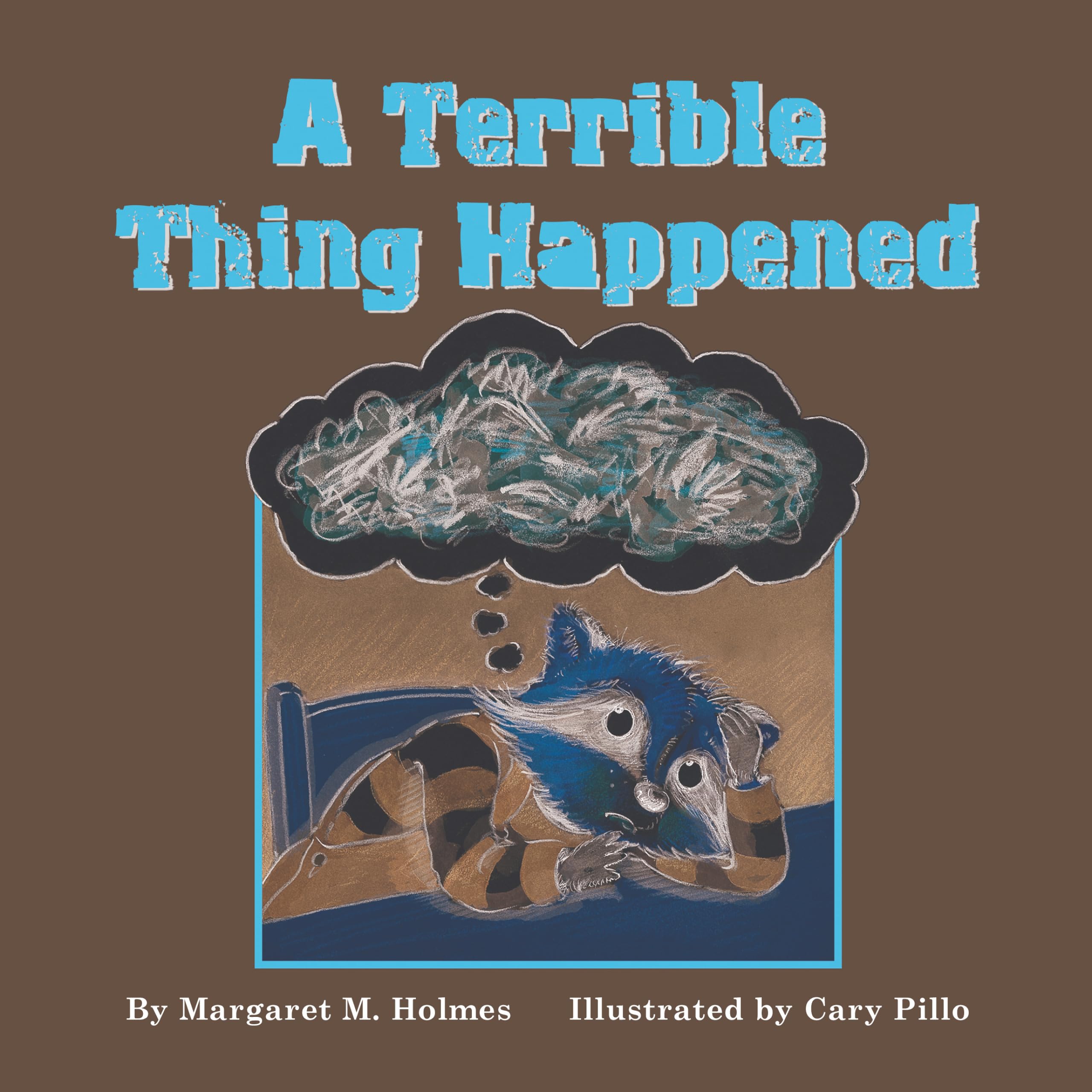
A Terrible Thing Happened: A Story For Children Who Have Witnessed Violence Or Trauma
Sold by Ergodebooks, an authorized reseller.
Returns accepted within 30 days | support@ergodebooks.com
Shipping Information
- Free Standard Shipping — United States only
- Processing Time: 3–5 business days
- Estimated Delivery: 6–10 business days after dispatch
- Double-boxed, fully insured & discreetly packaged
- Tracking number sent via email once dispatched
Returns & Refund
Returns accepted within 30 days of delivery.
Damaged or Defective Item
Free return shipping + replacement or full refund
Wrong Item Received
Free return shipping + replacement or full refund
Change of Mind
Return shipping at customer's expense · 25% restocking fee applies
Payment Option

This Gently Told And Tenderly Illustrated Story Is For Children Who Have Witnessed Any Kind Of Violent Or Traumatic Episode, Including Physical Abuse, School Or Gang Violence, Accidents, Homicide, Suicide, And Natural Disasters Such As Floods Or Fire.Sherman Smith Saw The Most Terrible Thing Happen. At First He Tried To Forget About It, But Soon Something Inside Him Started To Bother Him. He Felt Nervous For No Reason. Sometimes His Stomach Hurt. He Had Bad Dreams. And He Started To Feel Angry And Do Mean Things, Which Got Him In Trouble. Then He Met Ms. Maple, Who Helped Him Talk About The Terrible Thing That He Had Tried To Forget. Now Sherman Is Feeling Much Better.Children Who Have Witnessed Violence Or Other Traumatic Incidents Are At Surprisingly Greater Risk For Committing Violence In The Future Than Are Children Who Have Actually Been Involved In Such Events. The Event Might Be A Car Accident, Domestic Or School Violence, Suicide, Or A Natural Disaster Such As A Tornado, Flood, Or Fire. Regardless Of The Type Of Incident, Child Witnesses Often React By Trying To Forget Or Ignore The Experience. When Their Feelings Are Pushed Underground In This Manner, These Children May Begin To Feel Bad In Ways They Don'T Understand And Become Angry As A Result Of Feeling Bad. It Is This Anger That Can Give Way To Violence. Caring Adults Can Make All The Difference By Helping Children Talk About And Understand The Experience. An Afterword By Sasha J. Mudlaff Written For Parents And Other Caregivers Offers Extensive Suggestions For Helping Traumatized Children, Including A List Of Other Sources That Focus On Specific Events.
⚠️ WARNING (California Proposition 65):
This product may contain chemicals known to the State of California to cause cancer, birth defects, or other reproductive harm.
For more information, please visit www.P65Warnings.ca.gov.
- Q: What is the page count of this book? A: This book has thirty-two pages. It is designed to be easily readable and engaging for children.
- Q: What are the dimensions of the book? A: The book measures eight point three two inches in length, zero point three nine inches in width, and eight point two four inches in height.
- Q: What type of binding does this book have? A: This book is bound in hardcover. This durable binding makes it suitable for repeated readings by children.
- Q: What age group is this book suitable for? A: This book is suitable for children ages four to eight. It helps young readers process experiences of trauma or violence.
- Q: How can I use this book effectively with my child? A: Read the book together and encourage open discussion. Ask your child questions about their feelings related to the story.
- Q: Is this book appropriate for discussing difficult topics? A: Yes, this book is specifically designed to help children understand and communicate about traumatic experiences.
- Q: How should I store this book to keep it in good condition? A: Store the book in a dry place, away from direct sunlight. Keep it on a shelf or in a bookcase to prevent damage.
- Q: Can this book be read to a group of children? A: Yes, the book is suitable for group readings. It can facilitate discussions about feelings and experiences among children.
- Q: What should I do if the book arrives damaged? A: If the book arrives damaged, contact the seller for a return or exchange. Most retailers offer a satisfaction guarantee.
- Q: Is there a guide for parents included in the book? A: Yes, the book includes an afterword by Sasha J. Mudlaff with suggestions for parents to help support traumatized children.
- Q: Does this book have illustrations? A: Yes, the book is tenderly illustrated to support the storytelling and engage young readers visually.
- Q: How can this book help children who have witnessed trauma? A: The book helps children articulate their feelings and encourages them to talk about their experiences with supportive adults.
- Q: Is this book part of a series? A: No, this book is a standalone title. It focuses specifically on addressing trauma in children.
- Q: What themes are explored in this book? A: The book explores themes of trauma, healing, and the importance of communication for emotional well-being.
- Q: Is this book recommended by any organizations? A: Yes, it is published by Magination Press, a division of the American Psychological Association, emphasizing its credibility.
- Q: Can this book be helpful for children who have seen violence? A: Yes, it is specifically designed for children who have witnessed violence or trauma, helping them navigate their feelings.