
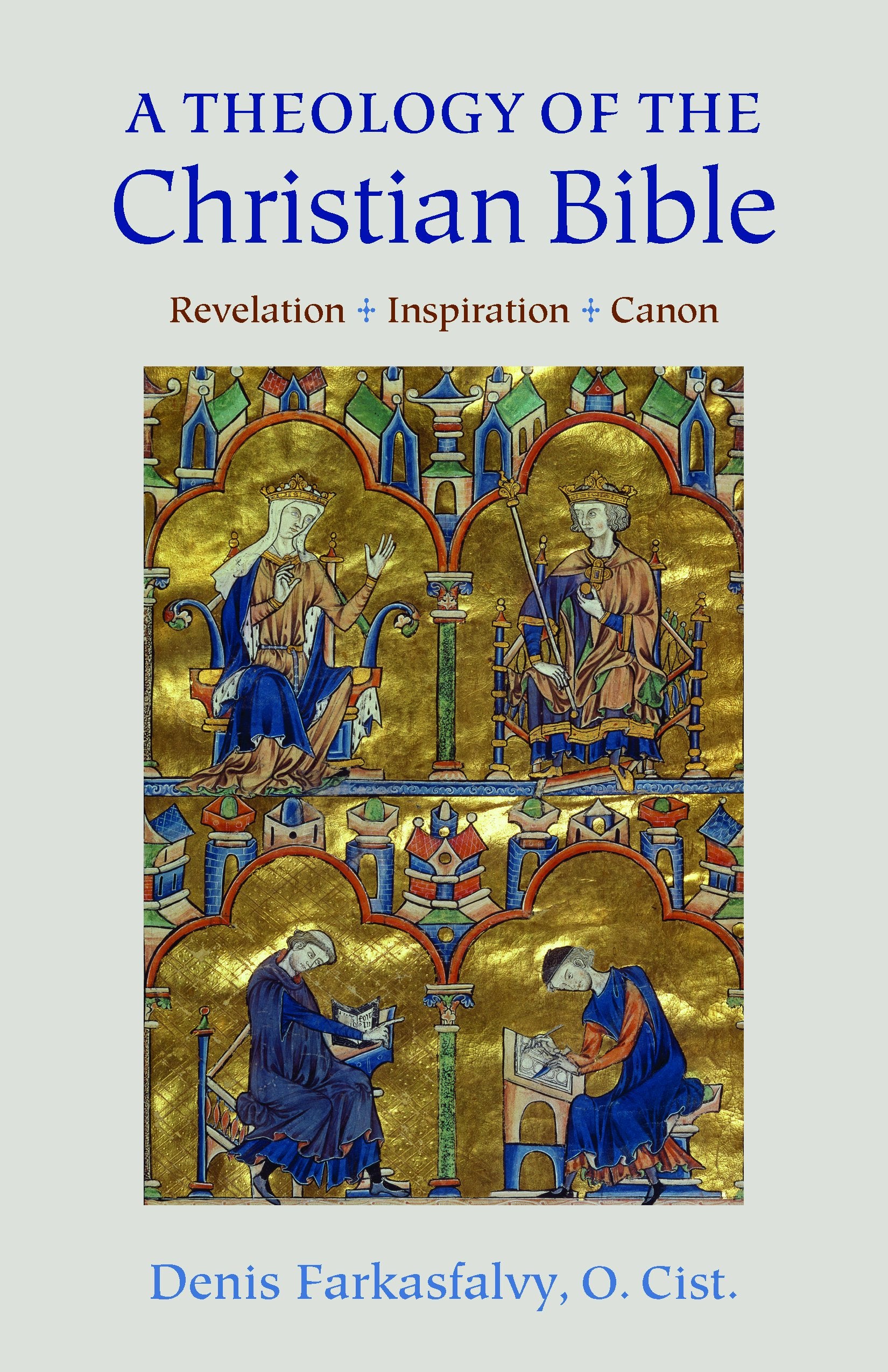
Title
A Theology Of The Christian Bible: Revelation Inspiration Canon,New
Sold by Ergodebooks, an authorized reseller.
Returns accepted within 30 days | support@ergodebooks.com
Shipping Information
- Free Standard Shipping — United States only
- Processing Time: 3–5 business days
- Estimated Delivery: 6–10 business days after dispatch
- Double-boxed, fully insured & discreetly packaged
- Tracking number sent via email once dispatched
Returns & Refund
Returns accepted within 30 days of delivery.
Damaged or Defective Item
Free return shipping + replacement or full refund
Wrong Item Received
Free return shipping + replacement or full refund
Change of Mind
Return shipping at customer's expense · 25% restocking fee applies
Payment Option

A Theology of the Christian Bible is built upon the thesis that divine revelation, the inspiration and canonization of Scripture should be viewed as 'sequentially linked movements' of a single process wherein God reveals his Word in history and ensures permanent accessibility of revelation for his People, both of Israel and of the Church. The starting point is the view expressed in the Second Vatican Council's document Dei Verbum that revelation consists of the 'words and realities' of Salvation History. This marks a shift away from the neoscholastic concept that approached revelation primarily as a set of propositional truths. Farkasfalvy begins with the notion of revelation as a historical process: God reveals his Word in a 'salvation history,' which culminates in the Incarnation. The transmission of revelation always involves human mediation by chosen individuals or, in the language of the biblical and patristic tradition, 'Prophets and Apostles.' Farkasfalvy then moves on to review some of the major contributors to the theology of inspiration around the time of Vatican II (Bea, Rahner, AlonsoSchkel), the teaching of Dei Verbum proper, and finally the 2014 document of the Pontifical Biblical Commission and biblical inspiration and the truth of the Bible, treating each of these in its individual context. According to Farkasfalvy, the theology of inspiration was greatly handicapped by the neoscholastic notion of God as a 'literary author' of the scriptural texts. Advocating God as true and genuine 'author' of Scripture, but in a nonliterary sense, Farkasfalvy also reviews afresh the tradition inspirationincarnation analogy. Scripture should be thought of in light of God progressively revealing himself in limited and located contexts to chosen human beings, through whom revelation is transmitted in verbal and, eventually, written form. God guides the complex compositional processes of the biblical books so that his word becomes accessibly and permanently preserved in writing for his people, the Church. The final chapters of A Theology of the Christian Bible take up the extension of these dynamics into canonization. These largely exegetical and historical chapters focus on the transmission of the revelation in Christ through both Testaments by means of Jesus' Apostles, embracing the Hebrew Scriptures and setting in motion the formation and, in early patristics, the canonization of the New Testament.
⚠️ WARNING (California Proposition 65):
This product may contain chemicals known to the State of California to cause cancer, birth defects, or other reproductive harm.
For more information, please visit www.P65Warnings.ca.gov.