

Title
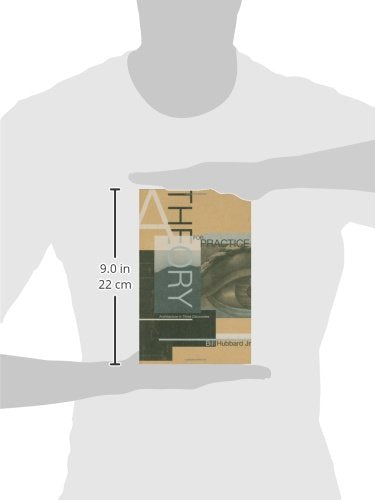
A Theory for Practice: Architecture in Three Discourses,Used
Sold by Ergodebooks, an authorized reseller.
Returns accepted within 30 days | support@ergodebooks.com
Shipping Information
- Free Standard Shipping — United States only
- Processing Time: 3–5 business days
- Estimated Delivery: 6–10 business days after dispatch
- Double-boxed, fully insured & discreetly packaged
- Tracking number sent via email once dispatched
Returns & Refund
Returns accepted within 30 days of delivery.
Damaged or Defective Item
Free return shipping + replacement or full refund
Wrong Item Received
Free return shipping + replacement or full refund
Change of Mind
Return shipping at customer's expense · 25% restocking fee applies
Payment Option

To speak comprehensively about a building today requires that we think about the building in three different ways as an instance of architectural order, as an embodiment of values about living, and as an instrument for bringing about results. With this insight, Bill Hubbard offers architects a useful new way of thinking about the work they do. He looks at all of the groups with an interest in a work of architecture owners, inhabitants, customers, community groups, critics and historians, architecture schoolsand presents a conceptual framework in which those disparate interests are not just given a place but are honored for providing different perspectives on the building.Recalling a time when a building could be encompassed by a single way of thinking, Hubbard reviews how political, economic, and philosophical movements have fostered new roles for buildings and provided new ways of thinking about them. How can these ways of thinking talk to each other, much less have a conversation that can produce a building? To find a language for such conversation is the task Hubbard takes on, through an exploration of the concept of a sense of place. In the book's closing chapters Hubbard describes the varieties of place that we can feel, and proposes a way to characterize such feelings and render them usable by designers. In so doing, he raises a fundamental question about the practice of architecture; he proposes that a theory for practice founded on the idea of creating a sense of place is not a radical departure for architects because the acts of creating place are the acts architects do, for themselves, in their daily lives.
⚠️ WARNING (California Proposition 65):
This product may contain chemicals known to the State of California to cause cancer, birth defects, or other reproductive harm.
For more information, please visit www.P65Warnings.ca.gov.