
Title
A Theory Of Human Motivation
Sold by Ergodebooks, an authorized reseller.
Returns accepted within 30 days | support@ergodebooks.com
Shipping Information
- Free Standard Shipping — United States only
- Processing Time: 3–5 business days
- Estimated Delivery: 6–10 business days after dispatch
- Double-boxed, fully insured & discreetly packaged
- Tracking number sent via email once dispatched
Returns & Refund
Returns accepted within 30 days of delivery.
Damaged or Defective Item
Free return shipping + replacement or full refund
Wrong Item Received
Free return shipping + replacement or full refund
Change of Mind
Return shipping at customer's expense · 25% restocking fee applies
Payment Option

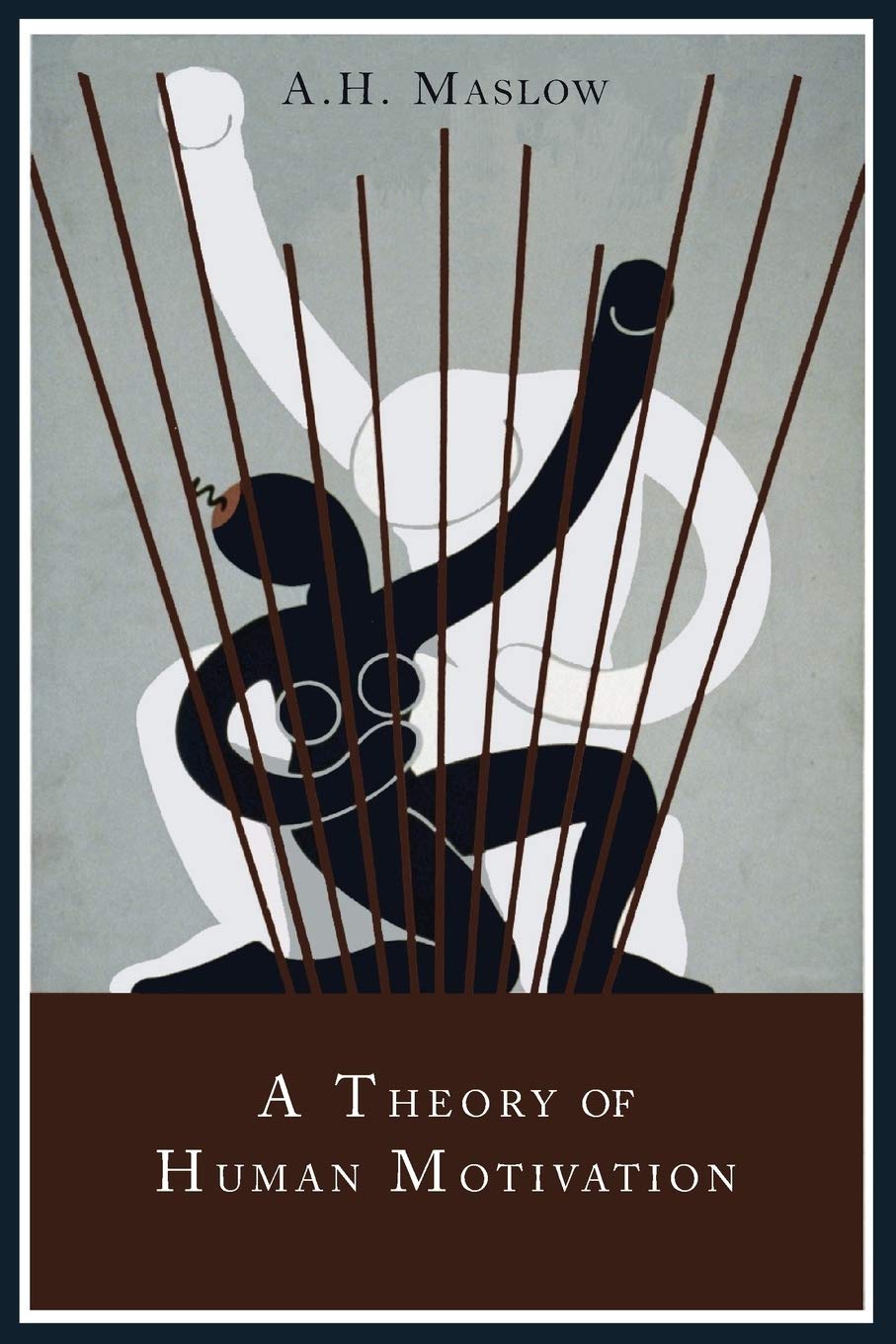
2013 Reprint Of 1943 Edition. Full Facsimile Of The Original Edition, Not Reproduced With Optical Recognition Software. This Is The Article In Which Maslow First Presented His Hierarchy Of Needs. It Was First Printed In His 1943 Paper A Theory Of Human Motivation. Maslow Subsequently Extended The Idea To Include His Observations Of Humans' Innate Curiosity. His Theories Parallel Many Other Theories Of Human Developmental Psychology, Some Of Which Focus On Describing The Stages Of Growth In Humans. Maslow Described Various Needs And Used The Terms Physiological, Safety, Belongingness And Love, Esteem, Selfactualization And Selftranscendence Needs To Describe The Pattern That Human Motivations Generally Move Through. Maslow Studied What He Called Exemplary People Such As Albert Einstein, Jane Addams, Eleanor Roosevelt, And Frederick Douglass Rather Than Mentally Ill Or Neurotic People.
⚠️ WARNING (California Proposition 65):
This product may contain chemicals known to the State of California to cause cancer, birth defects, or other reproductive harm.
For more information, please visit www.P65Warnings.ca.gov.
- Q: How many pages does the book have? A: This book contains twenty-four pages. It's a concise reprint of Maslow's original work, focusing on human motivation.
- Q: What is the size of the book? A: The book measures six inches in length, zero point zero eight inches in width, and nine point zero two inches in height. This size makes it portable and easy to handle.
- Q: What type of binding does this book have? A: The book is paperback bound. This binding style is lightweight and flexible, making it user-friendly.
- Q: What is the main subject of the book? A: The book focuses on human motivation and Maslow's hierarchy of needs. It explores the psychological aspects of what drives human behavior.
- Q: Who is the author of this book? A: The author is Abraham H. Maslow. He is known for his contributions to psychology, particularly in motivational theory.
- Q: Is this book suitable for all ages? A: Yes, this book is suitable for all ages. Its content is educational and relevant for anyone interested in psychology and motivation.
- Q: How can I use this book in my studies? A: You can use this book as a foundational text in psychology courses or as a reference for understanding motivation theories. It's great for both personal and academic use.
- Q: Is this book appropriate for beginners in psychology? A: Yes, this book is appropriate for beginners. It presents complex ideas in an accessible way, making it a good introduction to psychological concepts.
- Q: How should I store this book to keep it in good condition? A: Store this book in a cool, dry place away from direct sunlight. This will help maintain the quality of the paperback binding and pages.
- Q: Can I clean the book if it gets dirty? A: Yes, you can clean the book by gently wiping the cover with a soft, dry cloth. Avoid using liquids, as they may damage the pages.
- Q: What should I do if the book arrives damaged? A: If the book arrives damaged, you should contact the seller for a return or exchange. Most reputable sellers have policies in place for such issues.
- Q: Is there a warranty on this book? A: No, there typically isn't a warranty on books. However, you can check the return policy for any specific guarantees.
- Q: How does this book compare to other motivational psychology texts? A: This book is foundational for understanding motivation, often regarded as a classic. It stands out for its focus on human needs compared to other texts.
- Q: What makes Maslow's theory unique? A: Maslow's theory is unique because it emphasizes the hierarchy of needs, which categorizes human motivations from basic to advanced. This framework helps in understanding personal development.
- Q: Is this book relevant for professionals in psychology? A: Yes, this book is relevant for professionals. It provides essential insights into motivational theories that are still applicable in various psychological practices today.