
Title
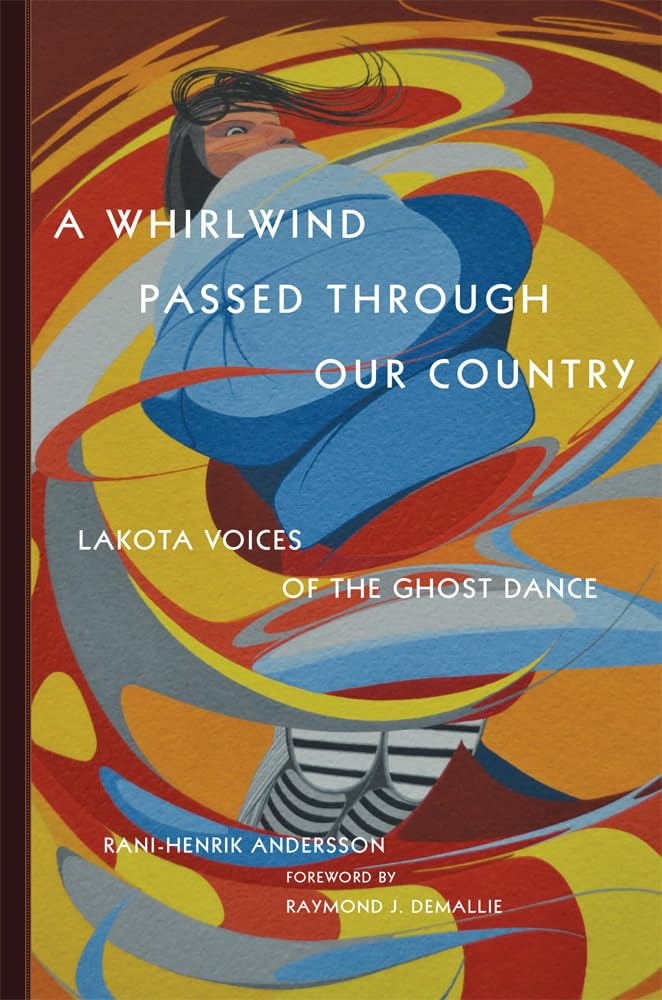
A Whirlwind Passed Through Our Country: Lakota Voices Of The Ghost Dance,Used
Sold by Ergodebooks, an authorized reseller.
Returns accepted within 30 days | support@ergodebooks.com
Shipping Information
- Free Standard Shipping — United States only
- Processing Time: 3–5 business days
- Estimated Delivery: 6–10 business days after dispatch
- Double-boxed, fully insured & discreetly packaged
- Tracking number sent via email once dispatched
Returns & Refund
Returns accepted within 30 days of delivery.
Damaged or Defective Item
Free return shipping + replacement or full refund
Wrong Item Received
Free return shipping + replacement or full refund
Change of Mind
Return shipping at customer's expense · 25% restocking fee applies
Payment Option

The inception of the Ghost Dance religion in 1890 marked a critical moment in Lakota history. Yet, because this movement alarmed government officials, culminating in the infamous massacre at Wounded Knee of 250 Lakota men, women, and children, historical accounts have most often described the Ghost Dance from the perspective of the white Americans who opposed it. In A Whirlwind Passed through Our Country, historian RaniHenrik Andersson instead gives Lakotas a sounding board, imparting the multiplicity of Lakota voices on the Ghost Dance at the time.Whereas early accounts treated the Ghost Dance as a military or political movement, A Whirlwind Passed through Our Country stresses its peaceful nature and reveals the breadth of Lakota views on the subject. The more than one hundred accounts compiled here show that the movement caused friction within Lakota society even as it spurred genuine religious belief. These accounts, many of them never before translated from the original Lakota or published, demonstrate that the Ghost Dances message resonated with Lakotas across artificial progressive and nonprogressive lines. Although the movement was often criticized as backward and disconnected from the harsh realities of Native life, Ghost Dance adherents were in fact seeking new ways to survive, albeit not those that contemporary whites envisioned for them. The Ghost Dance, Andersson suggests, might be better understood as an innovative adaptation by the Lakotas to the difficult situation in which they found themselvesand as a way of finding a path to a better life.By presenting accounts of divergent views among the Lakota people, A Whirlwind Passed through Our Country expands the narrative of the Ghost Dance, encouraging more nuanced interpretations of this significant moment in Lakota and American history.
⚠️ WARNING (California Proposition 65):
This product may contain chemicals known to the State of California to cause cancer, birth defects, or other reproductive harm.
For more information, please visit www.P65Warnings.ca.gov.