
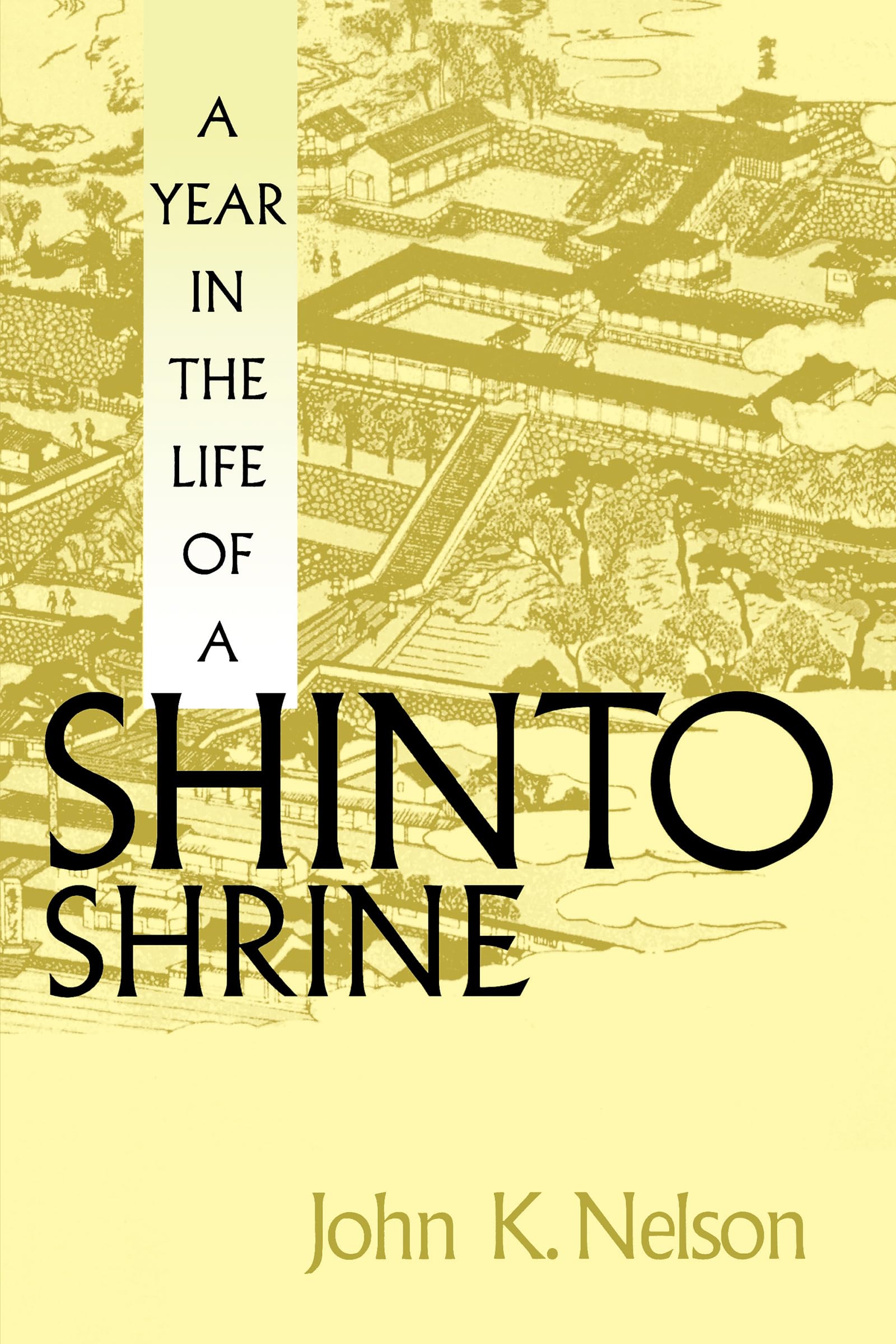
Title
A Year in the Life of a Shinto Shrine,New
Sold by Ergodebooks, an authorized reseller.
Returns accepted within 30 days | support@ergodebooks.com
Shipping Information
- Free Standard Shipping — United States only
- Processing Time: 3–5 business days
- Estimated Delivery: 6–10 business days after dispatch
- Double-boxed, fully insured & discreetly packaged
- Tracking number sent via email once dispatched
Returns & Refund
Returns accepted within 30 days of delivery.
Damaged or Defective Item
Free return shipping + replacement or full refund
Wrong Item Received
Free return shipping + replacement or full refund
Change of Mind
Return shipping at customer's expense · 25% restocking fee applies
Payment Option

What we today call Shinto has been at the heart of Japanese culture for almost as long as there has been a political entity distinguishing itself as Japan. A Year in the Life of a Shinto Shrine describes the ritual cycle at Suwa Shrine, Nagasaki's major Shinto shrine. Conversations with priests, other shrine personnel, and people attending shrine functions supplement John K. Nelson's observations of over fifty shrine rituals and festivals. He elicits their views on the meaning and personal relevance of the religious events and the place of Shinto and Suwa Shrine in Japanese society, culture, and politics. Nelson focuses on the very human side of an ancient institution and provides a detailed look at beliefs and practices that, although grounded in natural cycles, are nonetheless meaningful in latetwentiethcentury Japanese society.Nelson explains the history of Suwa Shrine, basic Shinto concepts, and the Shinto worldview, including a discussion of the Kami, supernatural forces that pervade the universe. He explores the meaning of ritual in Japanese culture and society and examines the symbols, gestures, dances, and meanings of a typical shrine ceremony. He then describes the cycle of activities at the shrine during a calendar year: the seasonal rituals and festivals and the petitionary, propitiary, and riteofpassage ceremonies performed for individuals and specific groups. Among them are the Dolls' Day festival, in which young women participate in a procession and worship service wearing Heian period costumes; the autumn Okunchi festival, which attracts participants from all over Japan and even brings emigrants home for a visit; the ritual invoking the blessing of the Kami for young children; and the ritual sanctifying the earth before a building is constructed. The author also describes the many roles women play in Shinto and includes an interview with a female priest.Shinto has always been attentive to the protection of communities from unpredictable human and divine forces and has imbued its ritual practices with techniques and strategies to aid human life. By observing the Nagasaki shrine's traditions and rituals, the people who make it work, and their interactions with the community at large, the author shows that cosmologies from the past are still very much a part of the cultural codes utilized by the nation and its people to meet the challenges of today.
⚠️ WARNING (California Proposition 65):
This product may contain chemicals known to the State of California to cause cancer, birth defects, or other reproductive harm.
For more information, please visit www.P65Warnings.ca.gov.
- Q: What is the page count of this book? A: This book has two hundred eighty-eight pages. It offers an in-depth exploration of Shinto rituals and practices.
- Q: What are the dimensions of this book? A: The book measures nine point twenty-seven inches in length, six point fifteen inches in width, and zero point seventy-nine inches in height.
- Q: What type of binding does this book have? A: This book features paperback binding. This makes it lightweight and easy to handle, perfect for reading on the go.
- Q: How do I read this book? A: You can read this book at your own pace. It’s suitable for anyone interested in Shinto practices, regardless of prior knowledge.
- Q: Is this book suitable for beginners? A: Yes, this book is suitable for beginners. It provides a comprehensive overview of Shinto rituals and the significance of the Suwa Shrine.
- Q: What age group is this book appropriate for? A: This book is generally suitable for readers aged twelve and older. It discusses cultural and religious themes in a thoughtful manner.
- Q: How should I store this book? A: Store this book in a cool, dry place to prevent damage. Keeping it upright on a shelf will help maintain its condition.
- Q: Can I clean the cover of this book? A: Yes, you can wipe the cover with a soft, dry cloth. Avoid using water or cleaning solutions to protect the book's material.
- Q: What do I do if the book arrives damaged? A: If the book arrives damaged, contact the seller for return instructions. Most retailers have a return policy for damaged goods.
- Q: Is there a warranty for this book? A: No, books typically do not come with a warranty. However, check the retailer's return policy for any coverage.
- Q: How does this book compare to other books on Shinto? A: This book focuses specifically on Suwa Shrine's rituals, providing unique insights compared to general books on Shinto.
- Q: Is this book recommended for academic studies? A: Yes, this book is recommended for academic studies. It offers detailed discussions and observations valuable for research on Shinto.
- Q: What themes are explored in this book? A: The book explores themes of ritual, community, and the significance of Shinto in modern Japanese society.
- Q: Are there any illustrations in this book? A: No, this book does not contain illustrations. It focuses on textual descriptions of rituals and ceremonies.
- Q: Can I gift this book for a cultural study course? A: Yes, this book makes an excellent gift for anyone studying Japanese culture or religion. It's informative and thought-provoking.