
Title
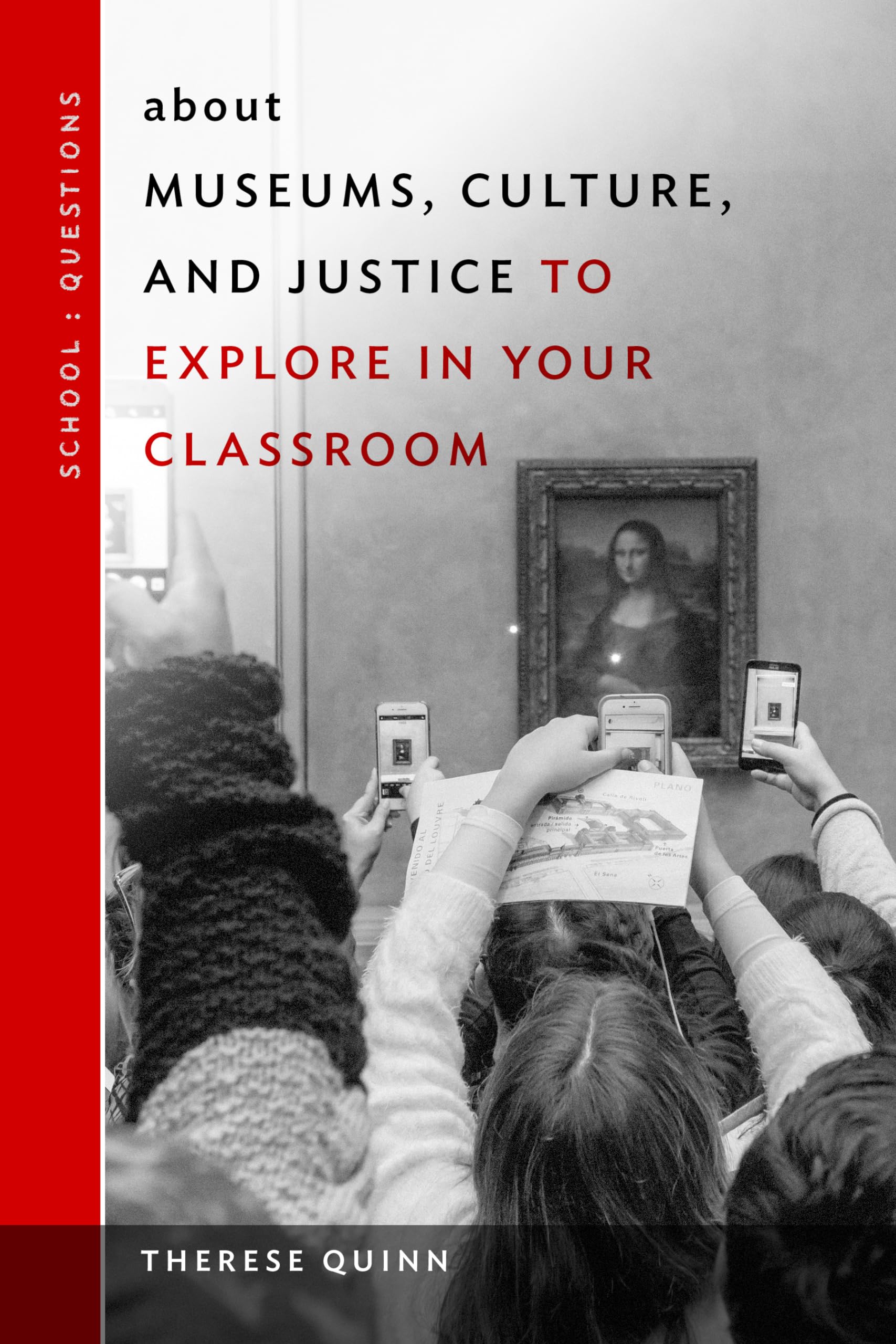
About Museums, Culture, And Justice To Explore In Your Classroom (School : Questions),Used
Sold by Ergodebooks, an authorized reseller.
Returns accepted within 30 days | support@ergodebooks.com
Shipping Information
- Free Standard Shipping — United States only
- Processing Time: 3–5 business days
- Estimated Delivery: 6–10 business days after dispatch
- Double-boxed, fully insured & discreetly packaged
- Tracking number sent via email once dispatched
Returns & Refund
Returns accepted within 30 days of delivery.
Damaged or Defective Item
Free return shipping + replacement or full refund
Wrong Item Received
Free return shipping + replacement or full refund
Change of Mind
Return shipping at customer's expense · 25% restocking fee applies
Payment Option

Museums are public resources that can offer rich extensions to classroom educational experiences, from tours through botanical gardens to searching for family records in the archives of a local historical society. With clarity and a touch of humor, Quinn presents ideas and examples of ways that teachers can use museums to support student exploration while also teaching for social justice. Topics include disability and welcoming all bodies, celebrating queer peoples lives and histories, settler colonialism and decolonization, fair workplaces, Indigenous knowledge, and much more. This practical resource invites classroom teachers to rethink how and why they are bringing students to museums and suggests projects for creating rich museumbased learning opportunities across an array of subject areas.Book Features: Links museums, classroom teaching, and social movements for justice. Focuses on the cultural contributions of people of color, women, and other marginalized groups. Organized around probing questions connecting history and contemporary events, museum formats and content, and activities. Includes pullout themes and resources for further reading.
⚠️ WARNING (California Proposition 65):
This product may contain chemicals known to the State of California to cause cancer, birth defects, or other reproductive harm.
For more information, please visit www.P65Warnings.ca.gov.
- Q: How many pages does the book have? A: The book contains one hundred twelve pages. This length allows for a comprehensive exploration of museums and social justice themes.
- Q: What is the binding type of this book? A: The book is paperback bound. This makes it lightweight and easy to handle for classroom use.
- Q: What are the dimensions of the book? A: The book measures five point thirty-nine inches in length, zero point twenty-five inches in width, and eight point twenty-seven inches in height. These dimensions make it convenient for storage and transport.
- Q: Who is the author of the book? A: The author is Therese Quinn. She provides insights on using museums as educational resources.
- Q: What topics are covered in the book? A: The book covers topics like disability, social justice, and the contributions of marginalized groups. It aims to enhance classroom learning through museum resources.
- Q: Is this book suitable for all classroom grades? A: Yes, the book is suitable for a variety of classroom grades. It provides flexible ideas for educators teaching different age groups.
- Q: Can this book help with social justice education? A: Yes, the book is designed to promote social justice education. It offers practical strategies for integrating justice themes into museum learning.
- Q: How can teachers use this book in their curriculum? A: Teachers can use this book to plan museum visits and related projects. It offers actionable ideas to enhance student engagement with cultural topics.
- Q: Are there any resources for further reading included? A: Yes, the book includes pull-out themes and resources for further reading. This can help educators expand their knowledge on the subject.
- Q: What is the main focus of the book? A: The main focus is to link museums with classroom teaching and social movements for justice. It emphasizes cultural contributions and contemporary relevance.
- Q: Is this book targeted toward specific educational levels? A: No, the book is not limited to a specific educational level. It caters to a broad audience of educators from different teaching backgrounds.
- Q: Does the book include practical examples for teachers? A: Yes, the book includes practical examples for teachers. It showcases various ways to incorporate museum experiences into lessons.
- Q: Are there any specific themes discussed in the book? A: Yes, themes include settler colonialism, Indigenous knowledge, and celebrating queer histories. These themes are relevant for discussions on equity and representation.
- Q: What audience is this book intended for? A: The book is intended for educators and teachers. It serves as a resource for those seeking to enhance their teaching with cultural insights.
- Q: Can this book be used for professional development? A: Yes, the book can be used for professional development. It offers educators new perspectives on teaching with museums and cultural contexts.