
Title
About Rothko,Used
Sold by Ergodebooks, an authorized reseller.
Returns accepted within 30 days | support@ergodebooks.com
Shipping Information
- Free Standard Shipping — United States only
- Processing Time: 3–5 business days
- Estimated Delivery: 6–10 business days after dispatch
- Double-boxed, fully insured & discreetly packaged
- Tracking number sent via email once dispatched
Returns & Refund
Returns accepted within 30 days of delivery.
Damaged or Defective Item
Free return shipping + replacement or full refund
Wrong Item Received
Free return shipping + replacement or full refund
Change of Mind
Return shipping at customer's expense · 25% restocking fee applies
Payment Option

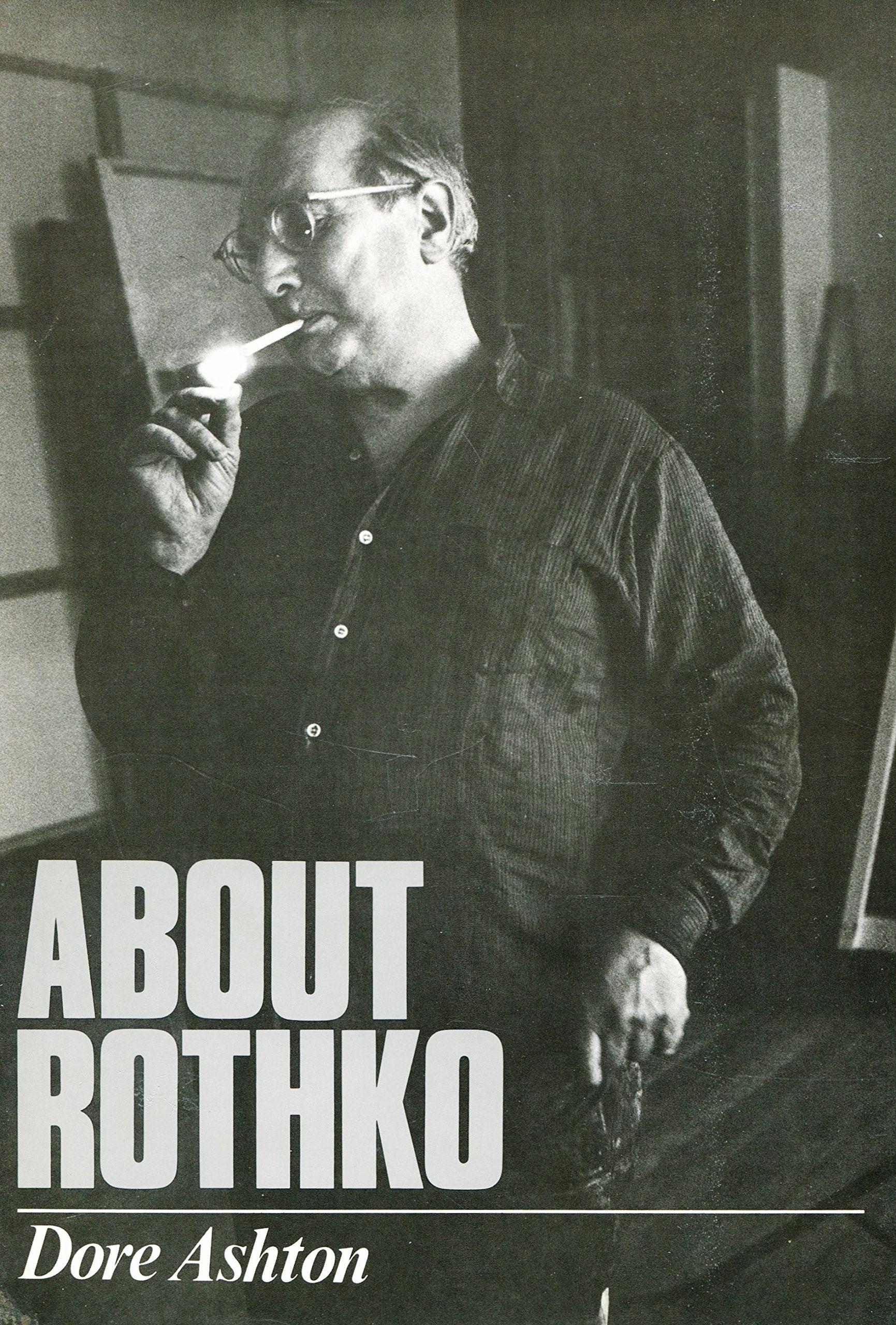
One of the major painters of the last century, Mark Rothko created a unique pictorial idiom for which he is celebrated througho9ut the world. Drawing on her countless conversations with the artist, Ashton deftly explores Rothkos personal sense of commitment and mission, his love of music and literature, and his philosophical outlook, particularly his interest in Nietzsche. She examines his associations with other artists Max Weber, Milton Avery, Adolph Gottlieb, Philip Guston, Robert Motherwell and others as well as his relationships with artists and connoisseurs in other countries. The many illustrations 16 in color and 30 in black and white represent the whole spectrum of Rothkos work and further enhance this valuable study. American art historian and critic Dore (pronounced DORee) Ashton (19282017) wrote some of the earliest and most insightful histories of Abstract Expressionism and the leading painters of the New York School. A tireless champion of new art, Ms. Ashton ran afoul of John Canaday, a staunch antiModernist who became the The New York Timess art news editor and chief critic in 1959. In a blistering memo, he accused her of writing to an artistic clique and cheerleading for it. Her retort, placed on Canadays desk, was a diatribe, reviling her boss with references to Zenocrates and Zola, and throwing back at him his own published words. A bitter battle ensued and Ashton left the newspaper in November 1960. Enlisting the support of fellow critics, including Harold Rosenberg, Meyer Schapiro, and Leo Steinberg, she succeeded in putting the matter before the International Association of Art Critics, which censured Canaday for infringing basic principles of freedom of criticism. After leaving The Times, Ashton, who lived in Manhattan, taught art history at the School of Visual Arts, Cooper Union, and the New School, while generating a stream of articles, exhibition catalogs, monographs, and biographies.
⚠️ WARNING (California Proposition 65):
This product may contain chemicals known to the State of California to cause cancer, birth defects, or other reproductive harm.
For more information, please visit www.P65Warnings.ca.gov.