
Title
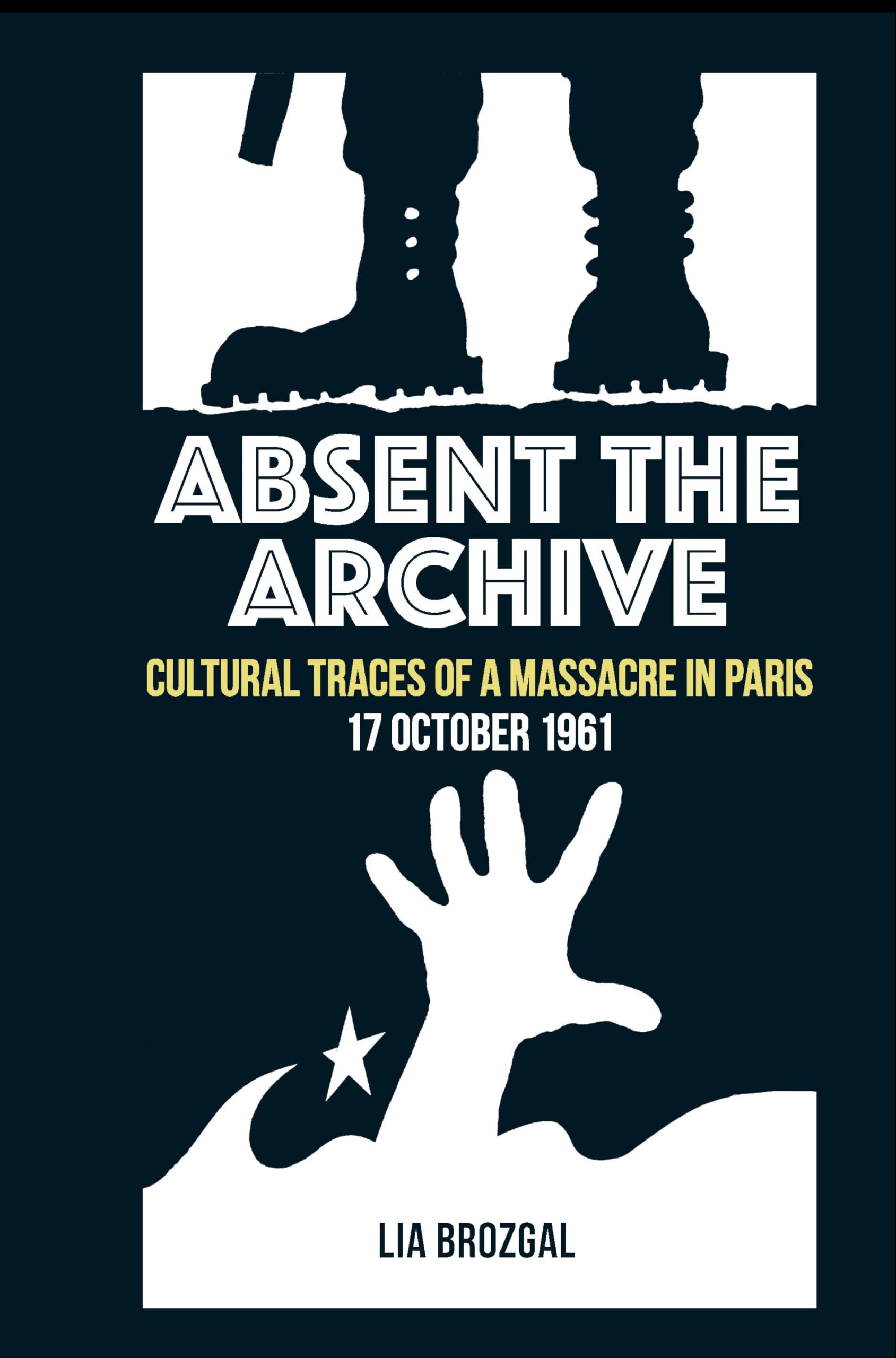
Absent The Archive: Cultural Traces Of A Massacre In Paris, 17 October 1961 (Contemporary French And Francophone Cultures, 73)
Sold by Ergodebooks, an authorized reseller.
Returns accepted within 30 days | support@ergodebooks.com
Shipping Information
- Free Standard Shipping — United States only
- Processing Time: 3–5 business days
- Estimated Delivery: 6–10 business days after dispatch
- Double-boxed, fully insured & discreetly packaged
- Tracking number sent via email once dispatched
Returns & Refund
Returns accepted within 30 days of delivery.
Damaged or Defective Item
Free return shipping + replacement or full refund
Wrong Item Received
Free return shipping + replacement or full refund
Change of Mind
Return shipping at customer's expense · 25% restocking fee applies
Payment Option

Absent The Archive Is The First Cultural History In English That Is Devoted To Literary And Visual Representations Of The Police Massacre Of Peaceful Algerian Protesters. Covered Up By The State And Hidden From History, The Events Of October 17 Have Nonetheless Never Been Fully Erased. Indeed, As Early As 1962, Stories About The Massacre Began To Find Their Way Their Way Into Novels, Poetry, Songs, Film, Visual Art, And Performance. This Book Is About These Stories, The Way They Have Been Told, And Their Function As Both Documentary And Aesthetic Objects. Identified Here For The First Time As A Corpus An Anarchive The Works In Question Produce Knowledge About October 17 By Narrativizing And Contextualizing The Massacre, Registering Its Existence, Its Scale, And Its Erasure, While Also Providing Access To The Subjective Experiences Of Violence And Trauma. Absent The Archive Is Invested In Exploring How Literature And Culture Represent History By Complicating It, Whether By Functioning As First Responders And Persistent Witnesses; Reverberating Against Reality But Also Speculating On What Might Have Been; Activating Networks Of Signs And Meaning; Or By Showing Us Things That Otherwise Cannot Be Seen, While At The Same Time Provoking Important Questions About The Aesthetic, Ethical, And Political Stakes Of Representation.
⚠️ WARNING (California Proposition 65):
This product may contain chemicals known to the State of California to cause cancer, birth defects, or other reproductive harm.
For more information, please visit www.P65Warnings.ca.gov.
- Q: How many pages does the book have? A: This book has three hundred sixty-eight pages. It offers an in-depth exploration of cultural representations of the massacre.
- Q: What is the binding type of this book? A: The book is paperback bound. This makes it lightweight and easy to handle for readers.
- Q: What are the dimensions of the book? A: The book measures nine point twenty-one inches in length, six point ten inches in height, and zero point ninety-one inches in width. These dimensions make it a convenient size for reading.
- Q: Who is the author of the book? A: The author is Lia Brozgal. She provides a unique perspective on the historical events discussed in the book.
- Q: What is the genre of this book? A: The book falls under the category of contemporary French and Francophone cultures. It focuses on historical and cultural narratives.
- Q: How does this book explore the theme of trauma? A: The book narrativizes and contextualizes the massacre, capturing subjective experiences of violence and trauma. It examines how culture represents these historical events.
- Q: Is this book suitable for academic use? A: Yes, this book is suitable for academic use. It serves as a comprehensive cultural history that can be referenced in scholarly discussions.
- Q: Can this book be read by beginners? A: Yes, beginners can read this book. It is written to be accessible while still providing deep insights into complex themes.
- Q: What topics does this book cover? A: The book covers topics related to the police massacre of Algerian protesters, cultural representations, and the impact of historical erasure. It delves into literature, art, and performance.
- Q: How should I store this book? A: Store the book in a cool, dry place, away from direct sunlight. Proper storage helps to maintain the quality of the paperback binding.
- Q: What should I do if the book arrives damaged? A: If the book arrives damaged, contact customer support for a replacement. Most retailers have a return policy for damaged goods.
- Q: Does this book contain graphic content? A: Yes, the book discusses violent events, including the massacre. Readers should be aware of its sensitive themes.
- Q: Is there any supplementary material with the book? A: No, the book does not come with supplementary materials. It is a standalone work focusing on its main themes.
- Q: What kind of audience is this book intended for? A: This book is intended for readers interested in history, cultural studies, and social justice. It appeals to both general readers and scholars.
- Q: What makes this book unique? A: This book is unique because it is the first cultural history in English that focuses on the October seventeenth massacre's literary and visual representations. It reveals often overlooked narratives.