
Title
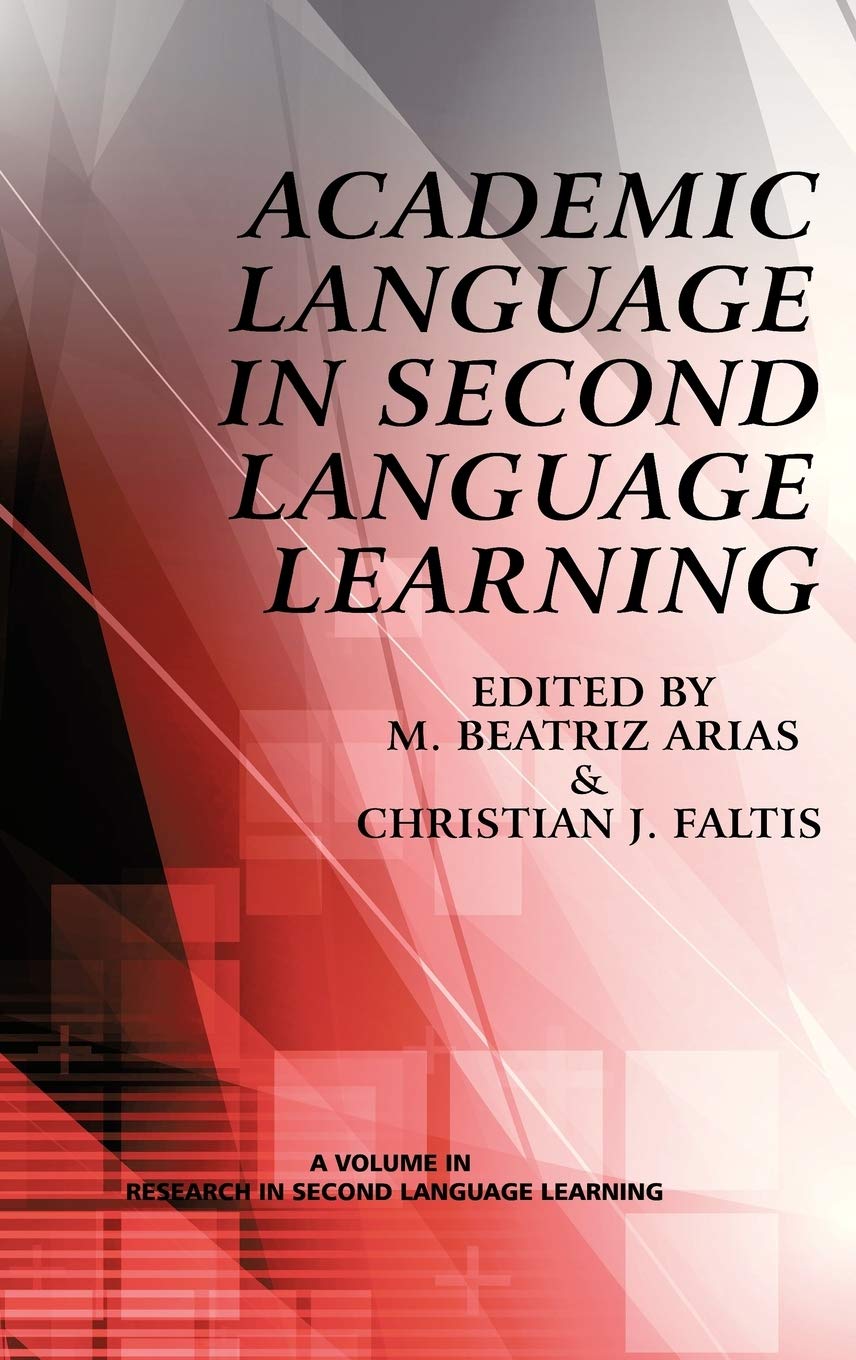
Academic Language In Second Language Learning (Hc) (Research In Second Language Learning),Used
Sold by Ergodebooks, an authorized reseller.
Returns accepted within 30 days | support@ergodebooks.com
Shipping Information
- Free Standard Shipping — United States only
- Processing Time: 3–5 business days
- Estimated Delivery: 6–10 business days after dispatch
- Double-boxed, fully insured & discreetly packaged
- Tracking number sent via email once dispatched
Returns & Refund
Returns accepted within 30 days of delivery.
Damaged or Defective Item
Free return shipping + replacement or full refund
Wrong Item Received
Free return shipping + replacement or full refund
Change of Mind
Return shipping at customer's expense · 25% restocking fee applies
Payment Option

Language in academic settings, also referred to academic language, has gained attention in the field of second language learning owing to new understandings of the complexities of language inherent in learning academic content, and new efforts to assess English learners' language proficiency in the context of school learning. The concept of academic language as distinct from social language has been in the academic literature since the mid1950s, and surfaced as a major construct in the field of bilingual education in the 1980s. Many readers will be familiar with the ideas of BICS and CALP, first introduced by Jim Cummins in the 1980s. This book presents a critique of academic language as a separable construct from social language, and introduces current research efforts to understand how English learners interact, interpret, and show understanding of language in academic contexts in ways that rethink and go beyond the distinction between social and academic language. The book is organized into three main sections, each with a range of chapters that consider how academic language plays into how children and youth learn academic content as emergent bilingual students in school settings. A Foreward and Afterward offer commentary on the book and its contents. The intended audience for this book is graduate students, teacher educators, and researchers interested in issues of language and content learning for English learners, the new mainstream of schools across the nation. There is something for a wide range of readers and students of second language acquisition in this volume.
⚠️ WARNING (California Proposition 65):
This product may contain chemicals known to the State of California to cause cancer, birth defects, or other reproductive harm.
For more information, please visit www.P65Warnings.ca.gov.