
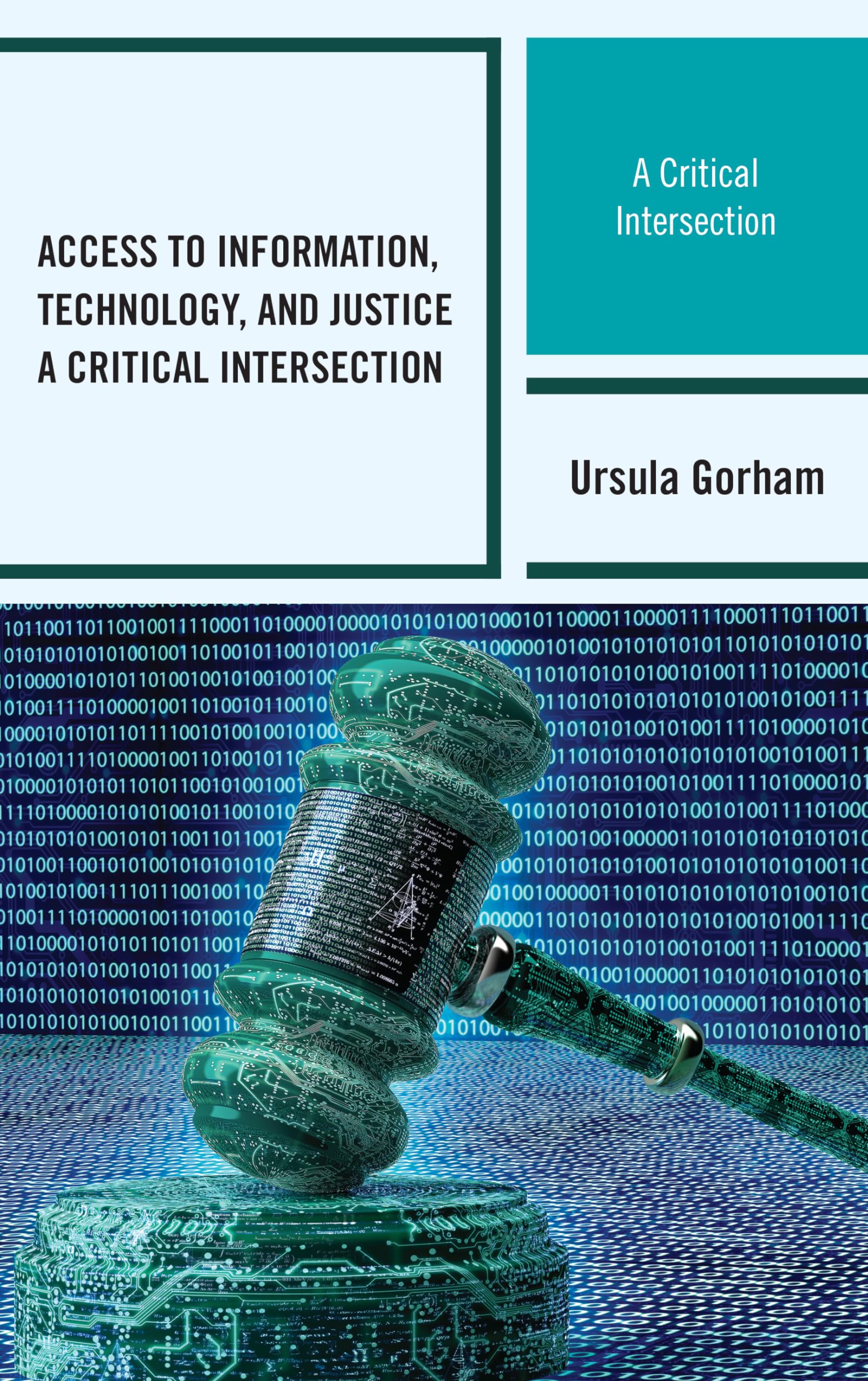
Title
Access to Information, Technology, and Justice: A Critical Intersection (Beta Phi Mu Scholars Series),Used
Sold by Ergodebooks, an authorized reseller.
Returns accepted within 30 days | support@ergodebooks.com
Shipping Information
- Free Standard Shipping — United States only
- Processing Time: 3–5 business days
- Estimated Delivery: 6–10 business days after dispatch
- Double-boxed, fully insured & discreetly packaged
- Tracking number sent via email once dispatched
Returns & Refund
Returns accepted within 30 days of delivery.
Damaged or Defective Item
Free return shipping + replacement or full refund
Wrong Item Received
Free return shipping + replacement or full refund
Change of Mind
Return shipping at customer's expense · 25% restocking fee applies
Payment Option

Over the past fifteen years, the dramatic increase of online selfhelp legal resources, information, and tools specifically developed for use by lowincome individuals without legal counsel has been promoted as one way to help those individuals who are caught in this justice gap. Unfortunately, however, opportunities arising from the Internet and related information and communication technologies do not accrue to everyone equally as physical, intellectual, and social barriers to information persist.Access to Information, Technology, and Justice: A Critical Intersection, as the first ever book length examination of the use of technology to expand access to justice in the United States, highlights an emerging paradox wherein the technological transformation that has created an increasing array of legal selfhelp resources and services is also creating barriers to access for disadvantaged individuals. Those who cannot read, those who do not speak the English language, those who are unfamiliar with the law, and those with limited digital literacy skills all find themselves at a fundamental disadvantage. The legal community has only begun to examine whether these resources and services are, in fact, meeting the needs of struggling selfhelp users. This book builds upon existing work in this area by undertaking an indepth exploration of how information and communication technologies are changing and failing to change the legal information landscape for those who most need this information. Drawing upon the ongoing collaborative efforts of legal aid organizations, libraries, courts, and nonprofit organizations, this book provides a framework for removing barriers to equitable access to legal information, with the ultimate goal of encouraging continued discussion and action.
⚠️ WARNING (California Proposition 65):
This product may contain chemicals known to the State of California to cause cancer, birth defects, or other reproductive harm.
For more information, please visit www.P65Warnings.ca.gov.