
Title
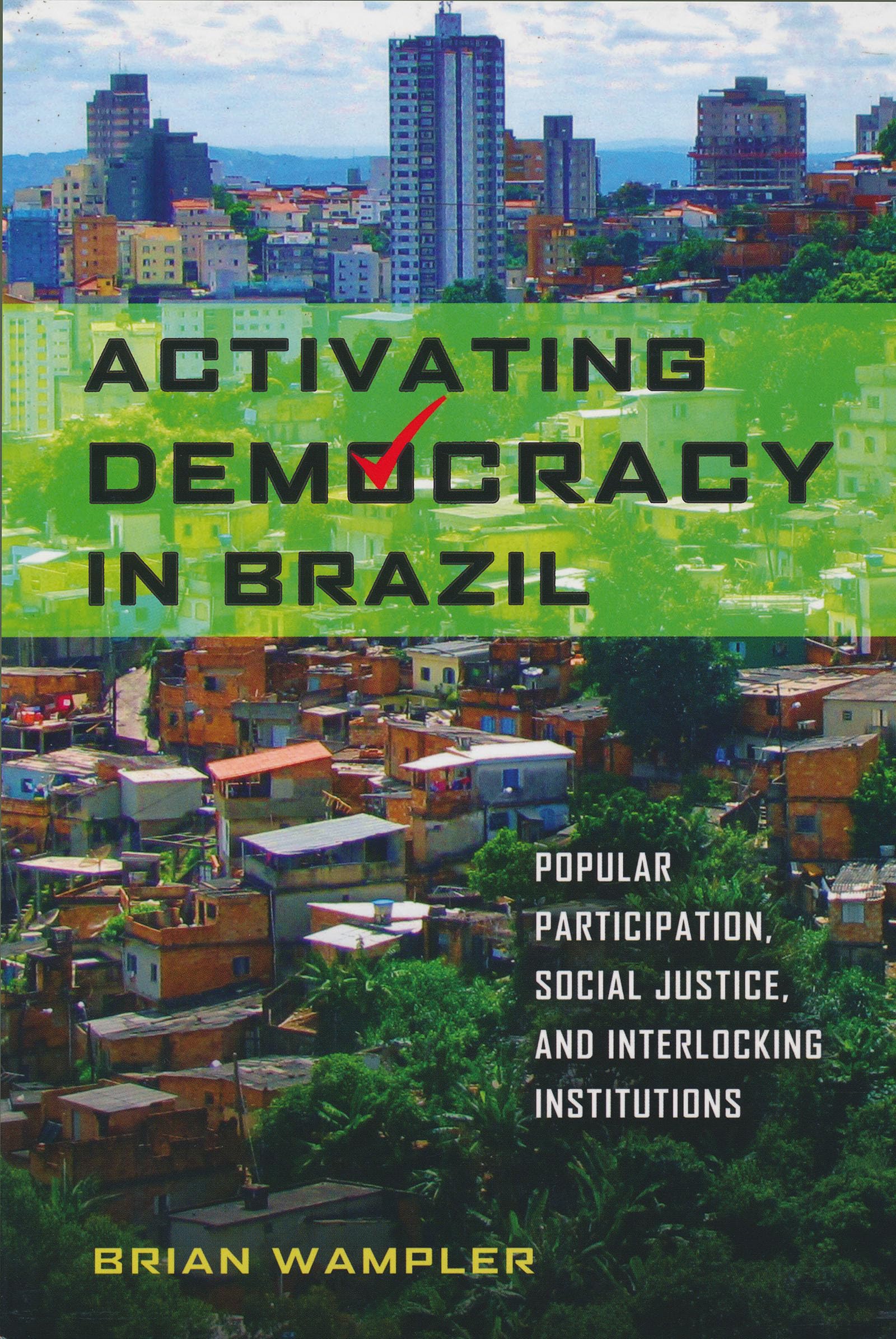
Activating Democracy in Brazil: Popular Participation, Social Justice, and Interlocking Institutions (Kellogg Institute Series o,Used
Sold by Ergodebooks, an authorized reseller.
Returns accepted within 30 days | support@ergodebooks.com
Shipping Information
- Free Standard Shipping — United States only
- Processing Time: 3–5 business days
- Estimated Delivery: 6–10 business days after dispatch
- Double-boxed, fully insured & discreetly packaged
- Tracking number sent via email once dispatched
Returns & Refund
Returns accepted within 30 days of delivery.
Damaged or Defective Item
Free return shipping + replacement or full refund
Wrong Item Received
Free return shipping + replacement or full refund
Change of Mind
Return shipping at customer's expense · 25% restocking fee applies
Payment Option

In 1988, Brazils Constitution marked the formal establishment of a new democratic regime. In the ensuing two and a half decades, Brazilian citizens, civil society organizations, and public officials have undertaken the slow, arduous task of building new institutions to ensure that Brazilian citizens have access to rights that improve their quality of life, expand their voice and vote, change the distribution of public goods, and deepen the quality of democracy. Civil society activists and ordinary citizens now participate in a multitude of statesanctioned institutions, including public policy management councils, public policy conferences, participatory budgeting programs, and legislative hearings. Activating Democracy in Brazil examines how the proliferation of democratic institutions in Belo Horizonte, Brazil, has transformed the way in which citizens, CSOs, and political parties work together to change the existing state.According to Wampler, the 1988 Constitution marks the formal start of the participatory citizenship regime, but there has been tremendous variation in how citizens and public officials have carried it out. This book demonstrates that the variation results from the interplay of five factors: state formation, the development of civil society, government support for citizens use of their voice and vote, the degree of public resources available for spending on services and public goods, and the rules that regulate forms of participation, representation, and deliberation within participatory venues. By focusing on multiple democratic institutions over a twentyyear period, this book illustrates how the participatory citizenship regime generates political and social change.
⚠️ WARNING (California Proposition 65):
This product may contain chemicals known to the State of California to cause cancer, birth defects, or other reproductive harm.
For more information, please visit www.P65Warnings.ca.gov.