
Title

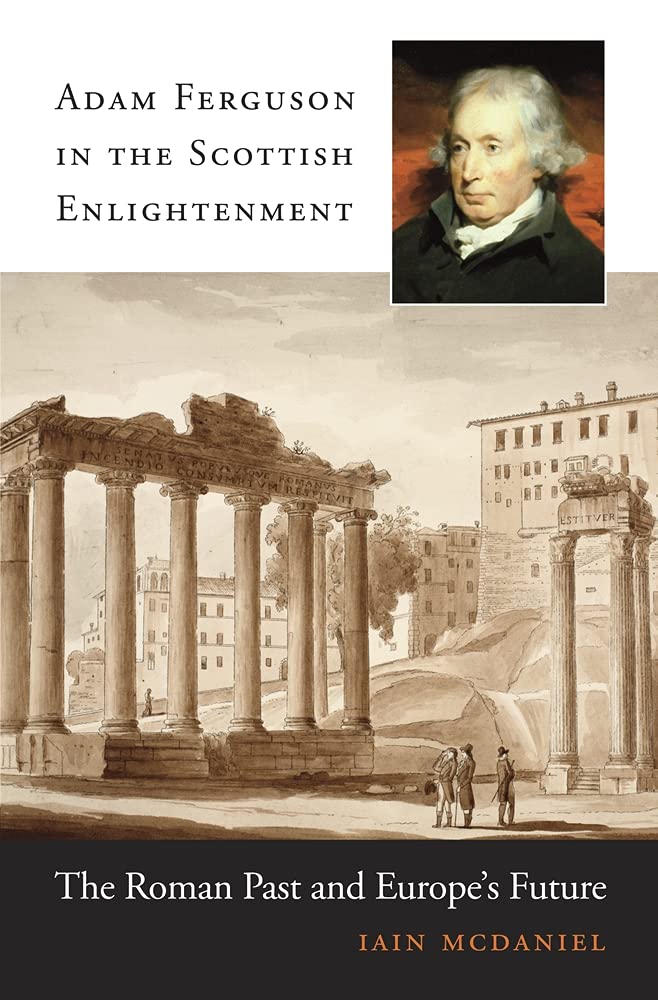
Adam Ferguson in the Scottish Enlightenment: The Roman Past and Europes Future,Used
Sold by Ergodebooks, an authorized reseller.
Returns accepted within 30 days | support@ergodebooks.com
Shipping Information
- Free Standard Shipping — United States only
- Processing Time: 3–5 business days
- Estimated Delivery: 6–10 business days after dispatch
- Double-boxed, fully insured & discreetly packaged
- Tracking number sent via email once dispatched
Returns & Refund
Returns accepted within 30 days of delivery.
Damaged or Defective Item
Free return shipping + replacement or full refund
Wrong Item Received
Free return shipping + replacement or full refund
Change of Mind
Return shipping at customer's expense · 25% restocking fee applies
Payment Option

Although overshadowed by his contemporaries Adam Smith and David Hume, the Scottish philosopher Adam Ferguson strongly influenced eighteenthcentury currents of political thought. A major reassessment of this neglected figure, Adam Ferguson in the Scottish Enlightenment: The Roman Past and Europes Future sheds new light on Ferguson as a serious critic, rather than an advocate, of the Enlightenment belief in liberal progress. Unlike the philosophes who looked upon Europes growing prosperity and saw confirmation of a utopian future, Ferguson saw something else: a reminder of Romes lesson that egalitarian democracy could become a selfundermining path to dictatorship.Ferguson viewed the intrinsic power struggle between civil and military authorities as the central dilemma of modern constitutional governments. He believed that the key to understanding the forces that propel nations toward tyranny lay in analysis of ancient Roman history. It was the alliance between popular and militaristic factions within the Roman republic, Ferguson believed, which ultimately precipitated its downfall. Democratic forces, intended as a means of liberation from tyranny, could all too easily become the engine of political oppressiona fear that proved prescient when the French Revolution spawned the expansionist wars of Napoleon.As Iain McDaniel makes clear, Fergusons skepticism about the ability of constitutional states to weather pervasive conditions of warfare and emergency has particular relevance for twentyfirstcentury geopolitics. This revelatory study will resonate with debates over the troubling tendency of powerful democracies to curtail civil liberties and pursue imperial ambitions.
⚠️ WARNING (California Proposition 65):
This product may contain chemicals known to the State of California to cause cancer, birth defects, or other reproductive harm.
For more information, please visit www.P65Warnings.ca.gov.