
Title
Adventures Of Richard Wagner,Used
Sold by Ergodebooks, an authorized reseller.
Returns accepted within 30 days | support@ergodebooks.com
Shipping Information
- Free Standard Shipping — United States only
- Processing Time: 3–5 business days
- Estimated Delivery: 6–10 business days after dispatch
- Double-boxed, fully insured & discreetly packaged
- Tracking number sent via email once dispatched
Returns & Refund
Returns accepted within 30 days of delivery.
Damaged or Defective Item
Free return shipping + replacement or full refund
Wrong Item Received
Free return shipping + replacement or full refund
Change of Mind
Return shipping at customer's expense · 25% restocking fee applies
Payment Option

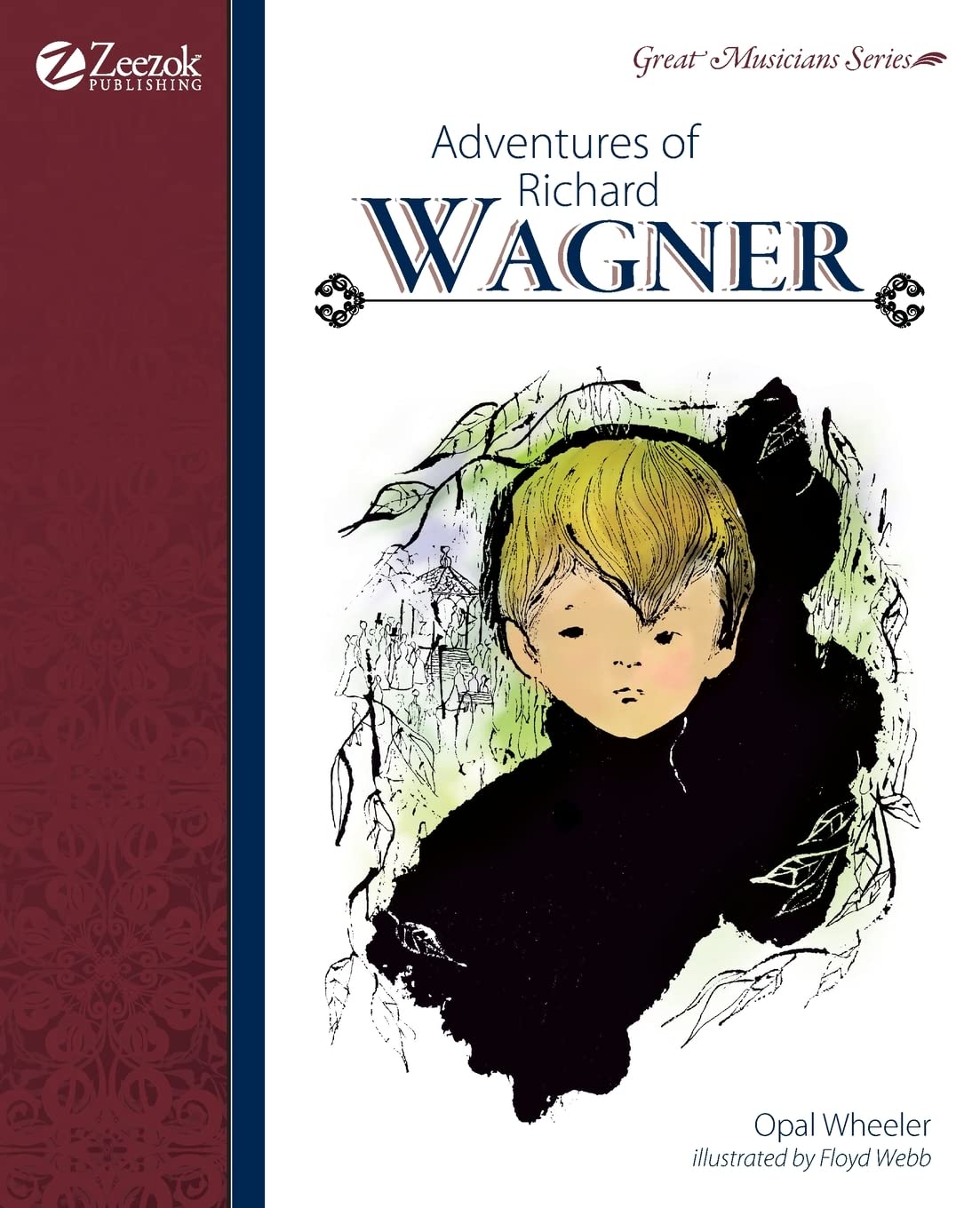
At the age of four, Wilhelm Richard Wagner made his first impression on the theatrical world when he pounded on a bass drum and stopped the performance at the Dresden Playhouseright in the midst of his stepfather's lines. This illfated incident put a temporary stop to Richard's nights backstage, and the punishment was almost more than exuberant little 'Dicker' could bear. No more trunks to explore, no more wigs to try on, no more lights and music and dancing. He had so loved being a part of his adored stepfather's professional life. But there were golden and impressionable years ahead for young Richard. He came under the haunting spell of Weber's opera, Der Freischutz, and copied the entire score on his own music sheets to memorize. He avidly read Shakespeare's plays and vowed he would write even greater tragedies. He staged puppet shows, wrote poetry, and dreamed fantastic dreams. One of the most profound influences on Richard's youth was a Beethoven symphony, heard for the first time in Leipzig. The mighty music thundered in his mind as he walked from the concert hall, and it was characteristic of him that he determined, then and there, to become a great composer. Always headstrong and impatient with guidance from others, Richard struggled daily with the rules of harmony and counterpoint, while his instructors discouraged his dream. Throwing traditional methods aside, the future composer of Lohengrin and Tristan and Isolde went directly to the great masters' works and copied their music, note by note, until it became a part of him. More than anything else he wanted to write operashis own stories set to music, sung and acted. As Opal Wheeler's lighthearted and lively biography reveals, Richard Wagner is an amazing example in music historyone of the few composers of stature who learned his art from the untutored study of the masterpieces of his day.
⚠️ WARNING (California Proposition 65):
This product may contain chemicals known to the State of California to cause cancer, birth defects, or other reproductive harm.
For more information, please visit www.P65Warnings.ca.gov.