If you have any questions, you are always welcome to contact us. We'll get back to you as soon as possible, withing 24 hours on weekdays.
Customer service
All questions about your order, return and delivery must be sent to our customer service team by e-mail at yourstore@yourdomain.com
Sale & Press
If you are interested in selling our products, need more information about our brand or wish to make a collaboration, please contact us at press@yourdomain.com
Help
If you have any questions, you are always welcome to contact us. We'll get back to you as soon as possible, withing 24 hours on weekdays.
Customer service
All questions about your order, return and delivery must be sent to our customer service team by e-mail at yourstore@yourdomain.com
Sale & Press
If you are interested in selling our products, need more information about our brand or wish to make a collaboration, please contact us at press@yourdomain.com
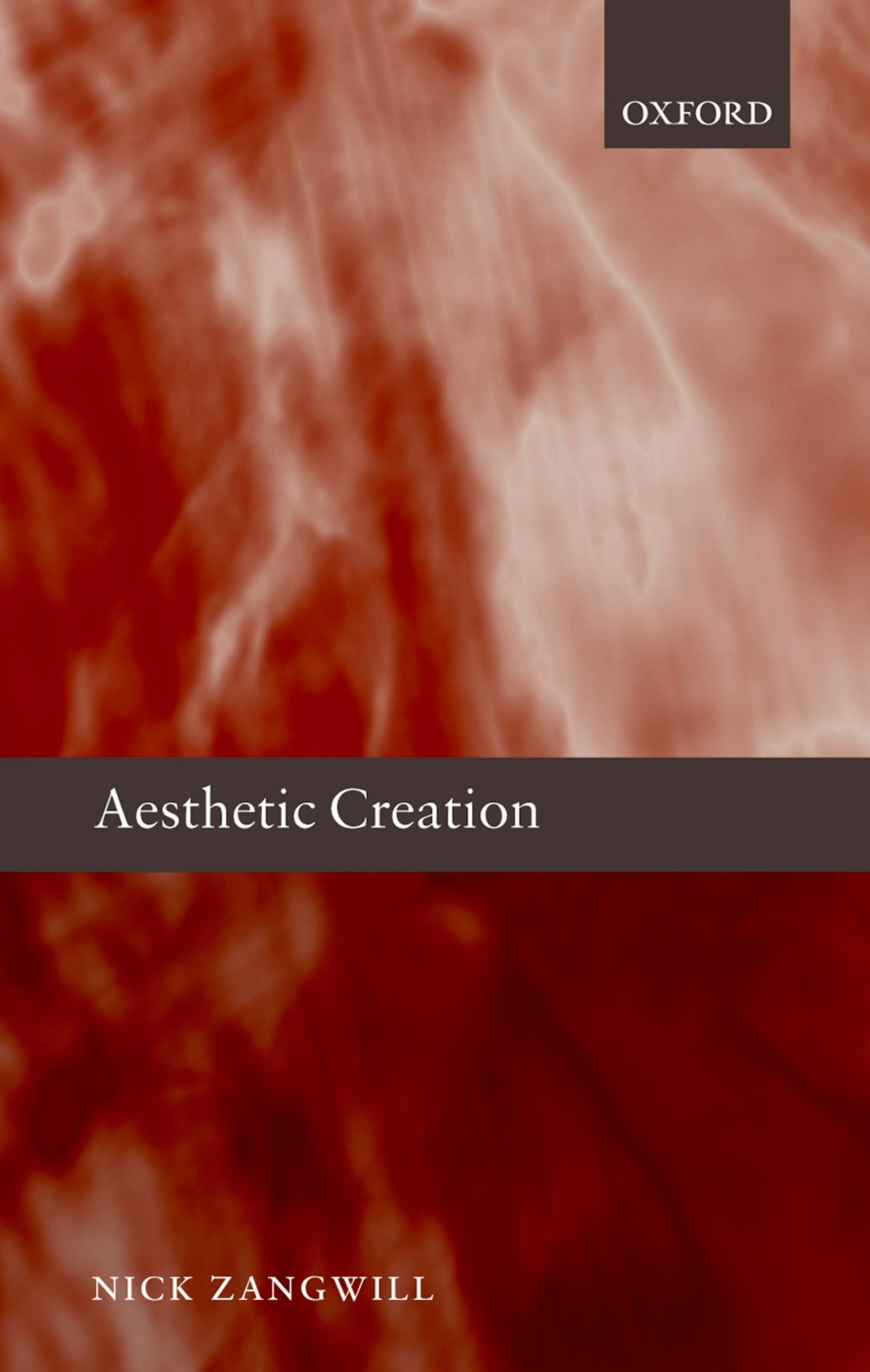
What is the purpose of a work of art? What drives us to make art? Why do we value art and consume it? Nick Zangwill argues that we cannot understand the nature of art without first having answers to these fundamental questions. On his view, which he dubs 'the Aesthetic Creation Theory', a work of art is something created for a particular aesthetic purpose. More specifically, the function of art is to have certain aesthetic properties in virtue of its nonaesthetic properties, and this function arises because of the artist's insight into the nature of these dependence relations and her intention to bring them about. In defending this view, Zangwill provides an account of aesthetic action and aesthetic creative thought and shows how the Aesthetic Creation Theory can accommodate two kinds of seeming counterexamples to aesthetic theories of art: narrative art and twentiethcentury avantgarde art. Aesthetic Creation also contains a detailed exposition and critique of a range of rival views, including Dickie's institutional theory of art, accounts of art that make essential reference to an audience, and sociological theories which purport to explain the nature of art without recourse to the notion of the aesthetic.
⚠️ WARNING (California Proposition 65):
This product may contain chemicals known to the State of California to cause cancer,
birth defects, or other reproductive harm.
For MAP (Minimum Advertised Price) violations and Intellectual Property (IP) or Trademark concerns, please contact:
support@ergodebooks.com
⚠️ California Proposition 65 Warning: Some products sold on this website may expose you to chemicals known to the State of California to cause cancer, birth defects, or other reproductive harm. For more information, visit www.P65Warnings.ca.gov.