
Title
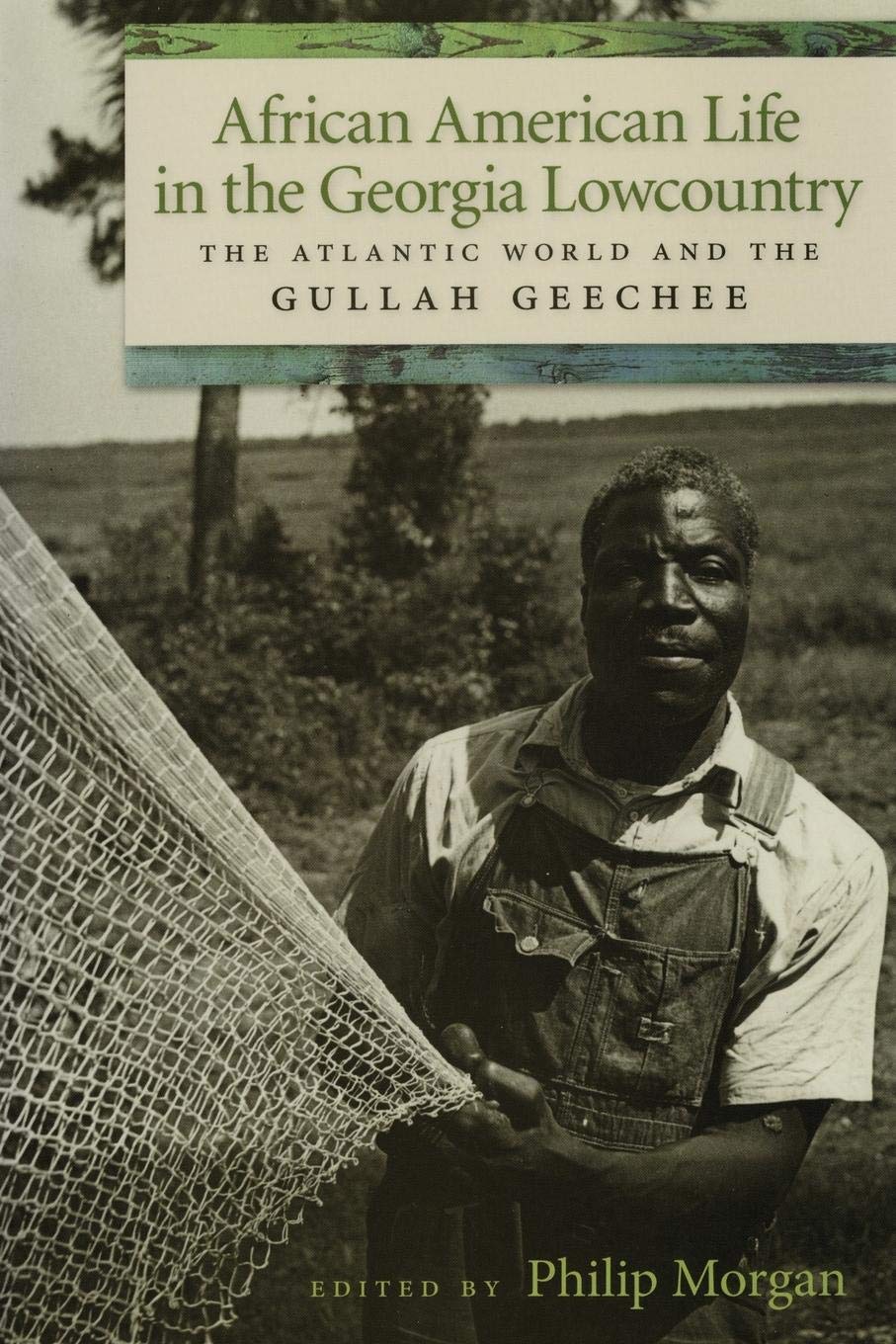
African American Life In The Georgia Lowcountry: The Atlantic World And The Gullah Geechee (Race In The Atlantic World, 1700190,New
Sold by Ergodebooks, an authorized reseller.
Returns accepted within 30 days | support@ergodebooks.com
Shipping Information
- Free Standard Shipping — United States only
- Processing Time: 3–5 business days
- Estimated Delivery: 6–10 business days after dispatch
- Double-boxed, fully insured & discreetly packaged
- Tracking number sent via email once dispatched
Returns & Refund
Returns accepted within 30 days of delivery.
Damaged or Defective Item
Free return shipping + replacement or full refund
Wrong Item Received
Free return shipping + replacement or full refund
Change of Mind
Return shipping at customer's expense · 25% restocking fee applies
Payment Option

The lush landscape and subtropical climate of the Georgia coast only enhance the air of mystery enveloping some of its inhabitantspeople who owe, in some ways, as much to Africa as to America. As the ten previously unpublished essays in this volume examine various aspects of Georgia lowcountry life, they often engage a central dilemma: the regions physical and cultural remoteness helps to preserve the venerable ways of its black inhabitants, but it can also marginalize the vital place of lowcountry blacks in the Atlantic World.The essays, which range in coverage from the founding of the Georgia colony in the early 1700s through the present era, explore a range of topics, all within the larger context of the Atlantic world. Included are essays on the doubleedged freedom that the American Revolution made possible to black women, the lowcountry as site of the largest gathering of African Muslims in early North America, and the coexisting worlds of Christianity and conjuring in coastal Georgia and the links (with variations) to African practices.A number of fascinating, memorable characters emerge, among them the defiant Mustapha Shaw, who felt entitled to land on Ossabaw Island and resisted its seizure by whites only to become embroiled in struggles with other blacks; Betty, the slave woman who, in the spirit of the American Revolution, presented a list of grievances to her master; and SQuash, the Arabicspeaking Muslim who arrived on one of the last legal transatlantic slavers and became a head man on a North Carolina plantation.Published in association with the Georgia Humanities Council.
⚠️ WARNING (California Proposition 65):
This product may contain chemicals known to the State of California to cause cancer, birth defects, or other reproductive harm.
For more information, please visit www.P65Warnings.ca.gov.