
Title
African Majesty: The Textile Art Of The Ashanti And Ewe,New
Sold by Ergodebooks, an authorized reseller.
Returns accepted within 30 days | support@ergodebooks.com
Shipping Information
- Free Standard Shipping — United States only
- Processing Time: 3–5 business days
- Estimated Delivery: 6–10 business days after dispatch
- Double-boxed, fully insured & discreetly packaged
- Tracking number sent via email once dispatched
Returns & Refund
Returns accepted within 30 days of delivery.
Damaged or Defective Item
Free return shipping + replacement or full refund
Wrong Item Received
Free return shipping + replacement or full refund
Change of Mind
Return shipping at customer's expense · 25% restocking fee applies
Payment Option

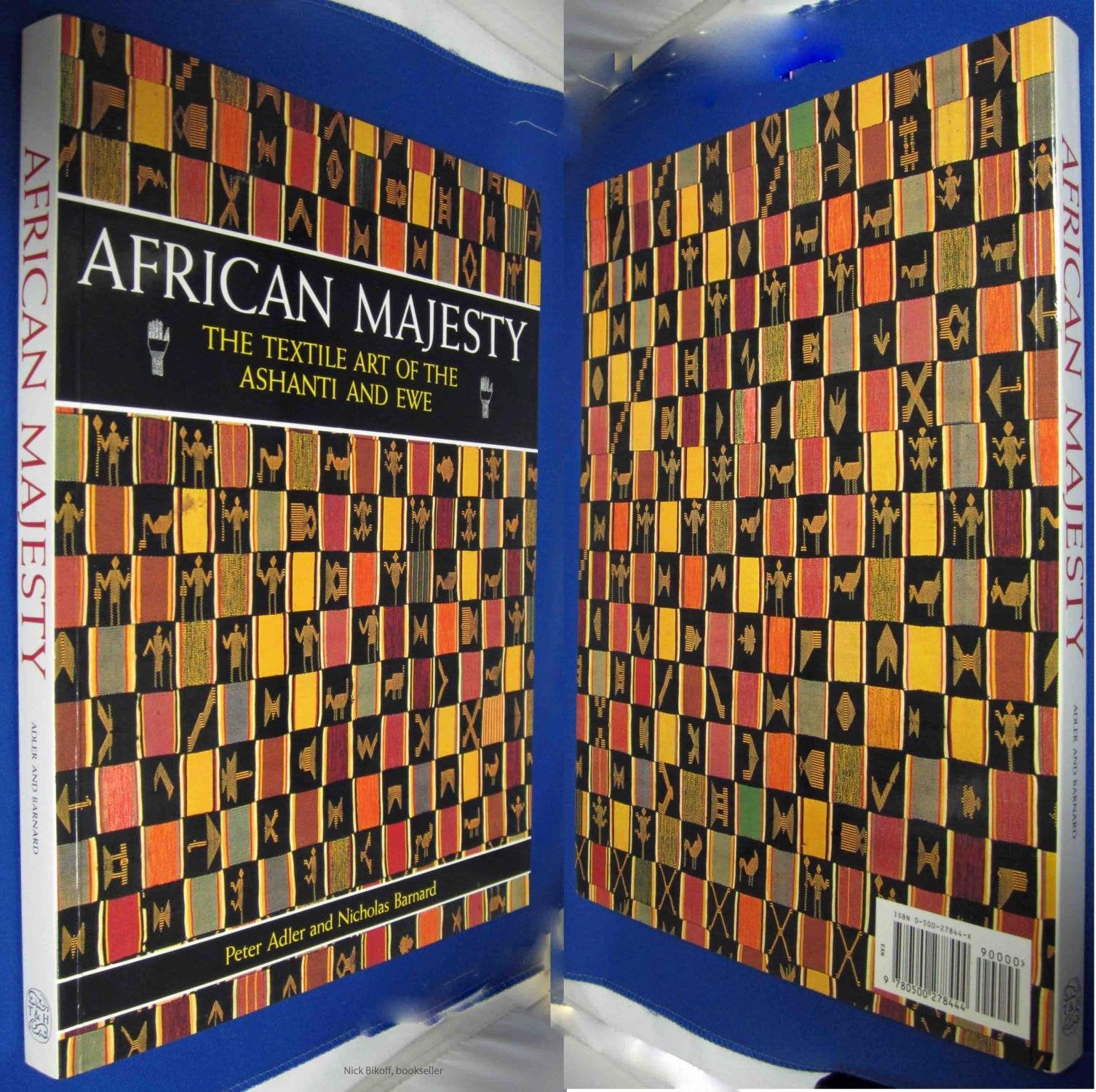
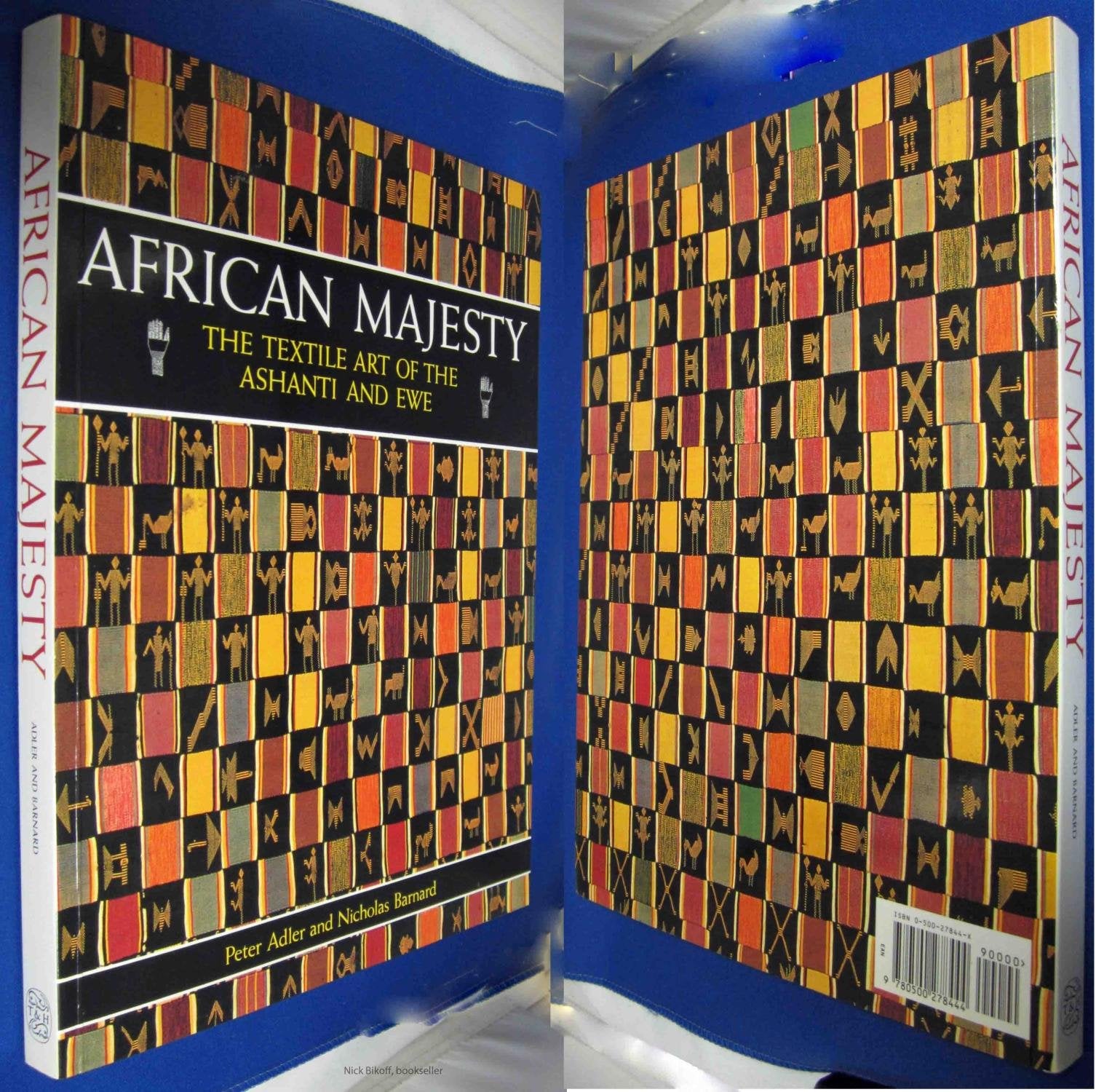
Within The Borders Of Presentday Ghana And Togo, There Exists A Tradition Of Weaving. Inspired By The Demands Of Royalty And Ceremony, The Weavers Of The Ashanti And Ewe Tribes Have Created Cloths That Combine Colour And Pattern. Worn Like The Togas Of Ancient Rome, These Textiles Are Made From Narrow Lengths Of Cotton Or Silk, First Woven On Small Drag Looms, Then Cut And Sewn Together. The Bands Of Colour Are Often Balanced And Enhanced By The Woven Details Of Motifs, Providing A Vocabulary Of Information For The Owner And The Onlooker An Indication Of Prestige Or Rank, Or As A Reflection Of The Key Elements Of Everyday Life. Over 130 Textiles Are Included In The Book, Together With Full Descriptions Of Each Example. An Historical Survey, An Explanation Of The Methods Of Weaving And The Use Of Cloths, Is Also Included. This Text Should Appeal To Anyone Interested In Textile History, In African Culture, Or In Tribal Art.
⚠️ WARNING (California Proposition 65):
This product may contain chemicals known to the State of California to cause cancer, birth defects, or other reproductive harm.
For more information, please visit www.P65Warnings.ca.gov.
- Q: How many pages does this book have? A: This book contains one hundred ninety-two pages. The pages include a variety of images and detailed descriptions of textiles.
- Q: What is the binding style of this book? A: This book is published in paperback format. The paperback binding makes it lightweight and easy to handle.
- Q: Who is the author of this book? A: The author of this book is Peter Adler. He explores the rich textile traditions of the Ashanti and Ewe tribes.
- Q: How do I read this book? A: You can read this book like any other, starting from the beginning and proceeding to the end. It's suitable for anyone interested in textile history.
- Q: Is this book suitable for children? A: Yes, this book is suitable for children, especially those interested in art and cultures. However, adult supervision may enhance their understanding.
- Q: What age group is this book appropriate for? A: This book is appropriate for ages twelve and up. It covers complex themes about culture and tradition that may interest older children and adults.
- Q: How should I store this book? A: You should store this book in a cool, dry place, away from direct sunlight. Keeping it on a bookshelf will help maintain its condition.
- Q: Can I clean this book if it gets dirty? A: Yes, you can gently clean this book using a soft, dry cloth. Avoid using water or cleaning solutions to prevent damage.
- Q: Is this book safe for all ages? A: Yes, this book is safe for all ages. It focuses on cultural art, making it educational and suitable for a wide audience.
- Q: What themes does this book cover? A: This book covers themes of textile art, cultural traditions, and the significance of cloth in the Ashanti and Ewe tribes. It provides historical context and analysis.
- Q: How does this book compare to other textile art books? A: This book offers a unique focus on the Ashanti and Ewe textiles, unlike many others that cover broader topics. It provides in-depth analysis and detailed descriptions.
- Q: Is this book a good choice for art students? A: Yes, this book is an excellent choice for art students. It provides valuable insights into African textile art and weaving techniques.
- Q: What type of information does this book provide? A: This book provides information on over one hundred thirty textiles, including descriptions and historical context. It is an informative resource for textile enthusiasts.
- Q: Can I use this book for academic research? A: Yes, this book can be used for academic research. It includes historical surveys and detailed descriptions that support various cultural studies.
- Q: What makes this book unique? A: This book is unique because it specifically focuses on the Ashanti and Ewe textile traditions, providing detailed descriptions and an exploration of their cultural significance.